
 E-Paper



First Australian-built rocket ‘Eris’ crashes 14 seconds after liftoff in failed orbital bid: Video
Eris, Australia’s first homegrown orbital rocket, lifted off to carry small satellites but crashed seconds later after briefly hovering, footage online shows.

 Prefer HTon Google


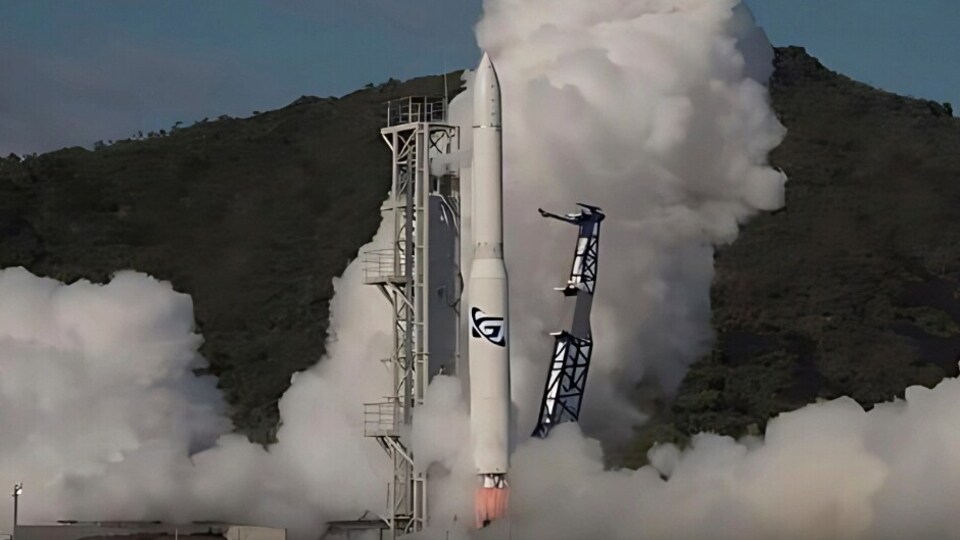
Australia’s first domestically built rocket to attempt reaching orbit crashed just 14 seconds after liftoff on Wednesday. The Eris rocket, developed by Gilmour Space Technologies, was launched on a test flight from a spaceport near Bowen in northern Queensland.
No injuries were reported following the incident.
Eris was the first Australian-designed and manufactured orbital launch vehicle to lift off from the country, intended to carry small satellites into orbit.
Also Read | SpaceX’s Starship has exploded, spun out, and scattered debris: Can Musk get it right before time and money run out?
Footage shared online shows the 23-metre rocket clearing the launch tower and hovering briefly before plummeting. Thick smoke and flames erupted as it crashed, with dramatic visuals captured and published by Australian media outlets.
Watch video here
‘Space is hard’
CEO Adam Gilmour expressed satisfaction that the rocket successfully lifted off the launchpad. "Space is hard," said Adam Gilmour
Also Read | SpaceX's Starship megarocket blows up over Indian Ocean in latest test failure
“SpaceX, Rocket Lab and others needed multiple test flights to reach orbit. We've learned a tremendous amount that will go directly into improving our next vehicle, which is already in production.”
The company described the launch as a “success” in a Facebook post. A spokesperson noted that all four hybrid engines ignited, achieving 23 seconds of engine burn and 14 seconds of flight on its maiden launch.
Gilmour Space Technologies had previously scheduled launches for May and earlier this month, but both were postponed due to technical issues and adverse weather.
“Getting off the pad and into flight is a huge step forward for any new rocket program. This was the first real test of our rocket systems, our propulsion technology, and our spaceport — and it proved that much of what we've built works,” Gilmour said.
“Of course I would have liked more flight time but happy with this,” he posted on LinkedIn. In February, he remarked that it was “almost unheard of” for a private space firm to succeed in reaching orbit on its first attempt.
The company had earlier indicated it would deem the mission a success if the rocket simply lifted off. According to their statement, the launch site infrastructure “remained intact. "
Whitsunday Regional Council Mayor Ry Collins described the launch as a “huge achievement” despite the vehicle not making it to orbit.
“This is an important first step towards the giant leap of a future commercial space industry right here in our region,” he wrote on Facebook.
Gilmour Space Technologies, which is privately funded, recently secured a AU$5 million (£2.6 million) federal government grant this month to support the development of the Eris rocket. This follows a larger AU$52 million funding agreement with the government in 2023 to further space innovation and commercialisation in Australia.
While Australia has hosted hundreds of suborbital launches, there have only been two successful orbital missions from its territory, according to NASASpaceFlight. The Eris test marked the first attempt at an orbital launch from Australia in over 50 years.


