
 E-Paper



How Iran-Israel conflict affected global oil prices
The period of uncertainty in the markets due to the current conflict may be prolonged and markets need to brace for it, according to experts.

 Prefer HTon Google


Oil prices shot up early Monday morning as tensions in the Middle East are escalating due to ongoing military conflict between Iran and Israel, with no de-escalation in sight.
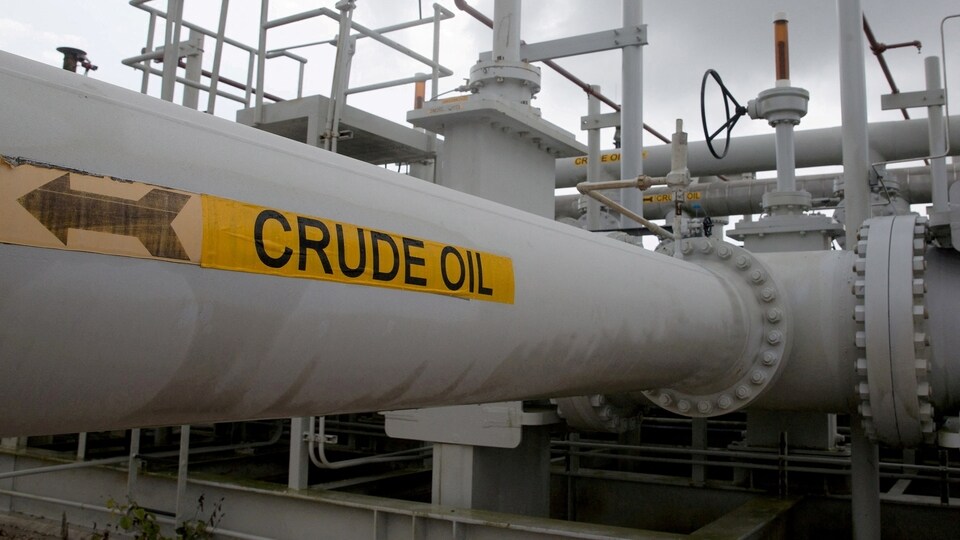
The prices for Brent crude jumped as much as 5.5 per cent in early Asian trading, reported Bloomberg, to trade over $76 a barrel. This comes after Israel hit the South Pars gas field in the Persian Gulf over the weekend. It is the world’s largest natural gas field, which Iran shares with Qatar. The attack led to the shutdown of a production platform at the gas field.
Track live updates of Iran-Israel conflict here.
The biggest impact of the ongoing Iran-Israel conflict on oil prices came last week when they rose by over 13 per cent on Friday. One of the biggest market worries right now is the Strait of Hormuz. If Iran tries to block the Strait of Hormuz, which is a key route for global oil shipments, the prices could go even higher.
‘Prolonged period of uncertainty’
The period of uncertainty in the markets due to the current conflict may be prolonged and markets need to brace for it, according to experts.
Also read: Netanyahu says Iran ‘wants to kill’ Trump, was behind assassination attempts
“Markets should be prepared for a prolonged period of uncertainty. Hedging against potential oil supply-chain disruptions via exposure to the energy market and adding to gold, which may see an acceleration of its structural uptrend, are the best ways to protect a portfolio against a further escalation in the Middle East,” Bloomberg quoted Wolf von Rotberg, an equity strategist at Bank J. Safra Sarasin, as saying.
“This is a significant escalation, to the point where these nations are at war. The ramifications will be larger and last longer,” with weakness in equity markets likely, said Michael O’Rourke, chief market strategist at JonesTrading, reported Bloomberg.
Also read: Trump mixes India-Pak conflict with Iran-Israel hostilities: 'They will make a deal'
The markets in the Middle East also reacted sharply on Sunday to Iran and Israel's trading strikes. Egypt’s stock market was one of the worst performers as it took its biggest hit in over a year due to fears of fuel shortages caused by a halt in Israeli gas production. In Saudi Arabia too, shares fell, however, the losses were limited by oil giant Aramco.
The fresh Middle East conflict comes amid several ongoing geopolitical tensions, such as war between Russia and Ukraine, prospects of new tariffs imposed by US President Trump, and rising political tensions in the US already fuelling market risks, the Bloomberg report said.
“Unless oil stays elevated and drives inflation higher, this is more likely a pause than a panic, as other narratives are driving the market. It may present a buying opportunity, but with markets having rallied sharply off recent lows, gains from here will be harder to come by,” said Dave Mazza, chief executive officer of Roundhill Investments.
With inputs from Bloomberg.


