
 E-Paper



Hypersonic Mars travel on cards? Space glider departs over Argentina
Engineless space glider Perlan 2 departed for a record-breaking attempt to glide at 90,000 feet over Argentina, which, if successful, could pave the way for hypersonic travel and aircraft on Mars.


Engineless space glider Perlan 2 departed for a record-breaking attempt to glide at 90,000 feet over Argentina, which, if successful, could pave the way for hypersonic travel and aircraft on Mars.
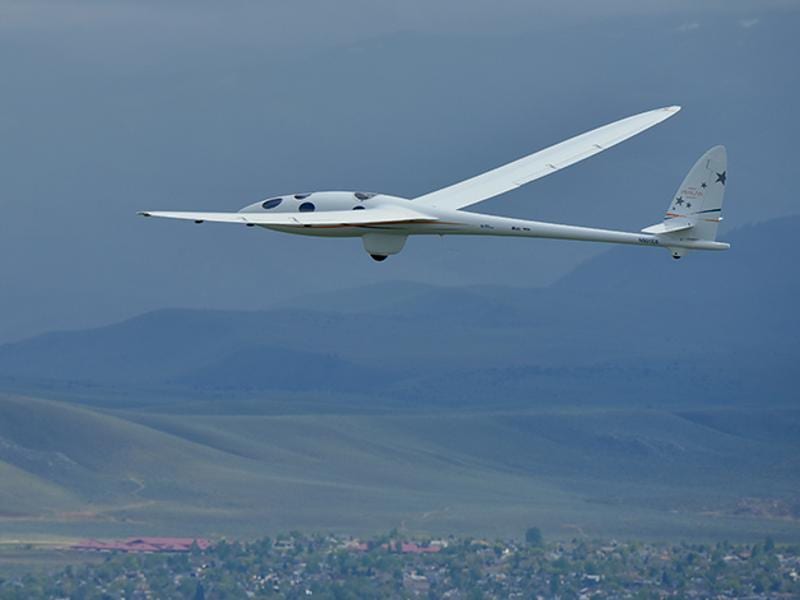
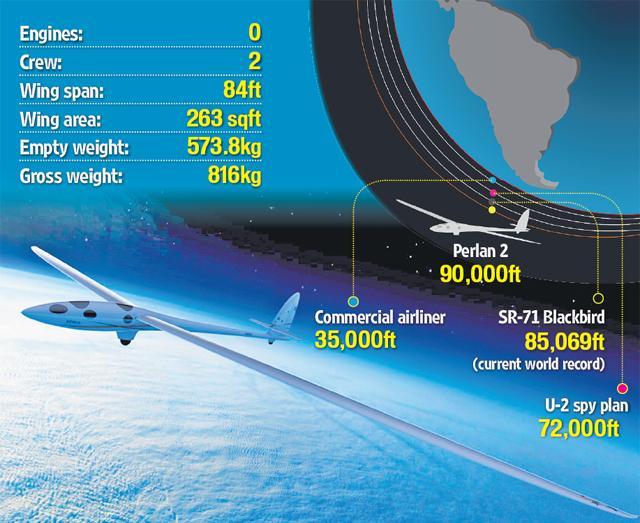
The project’s goal is to set an altitude record for the unpowered craft of 90,000 feet (27,400 metres) in the frigid temperatures at the edge of space (-70 Fahrenheit, -57 Celsius), similar to the conditions on Mars.
The European aerospace firm Airbus has invested close to $4 million in the American group Mission Perlan 2, which developed the ambitious project and has tested the craft Saturday in the skies over Nevada in the United States.
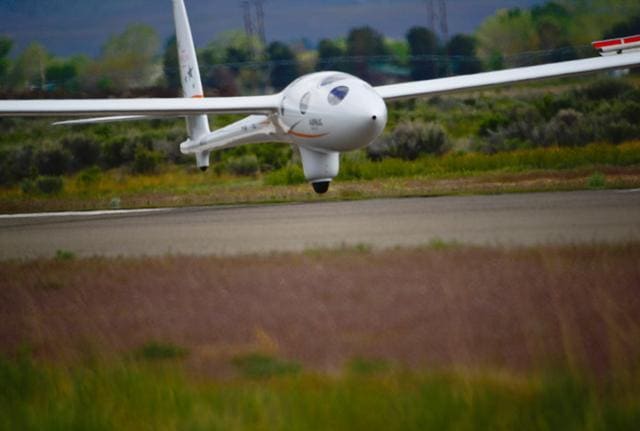
If Perlan 2 manages to break the altitude record set in 1976 by the US Air Force’s SR-71 reconnaissance plane, Airbus’ name will go into the history books along with those of other great aeronautics pioneers.
Here’s all you need to know about the project:
The mission
The Perlan 2 will fly to 90,000 feet at the edge of space to explore the science of giant mountain waves that help create the ozone hole and change global climate models.
How it works
The plane does not have an engine and is instead designed to ride air currents that, in mountainous regions near the north and south poles, can reach into the stratosphere. The plane’s true speed at the edge of space is 400mph (643km/h).
What’s required?
This will require the engineering of a spacecraft with glider wings that can fly in less than 3% of normal air density and at temperatures of minus 70 degrees C, conditions approximating the surface of Mars.
What’s next?
If the plane breaks the 90,000ft barrier, the next phase will set a goal of exploring the stratosphere up to a height of 100,000ft.
Other plans
But this is not its only futuristic project. Airbus and Uber transportation company want to develop a helicopter-on-call service. Even more ambitious is a plan to build a flying car using artificial intelligence.


