E-Paper



India-Nepal border to be shut from March 2 as Nepal holds first election since Gen-Z protests
All border outposts across the entire stretch of Banke district adjoining India will remain shut from 12 am on the night of March 2 until 12 am on March 5.

 Prefer HTon Google


The India-Nepal border will remain closed from midnight of March 2 to March 5 in view of Nepal’s general elections scheduled for March 5, officials said on Friday.
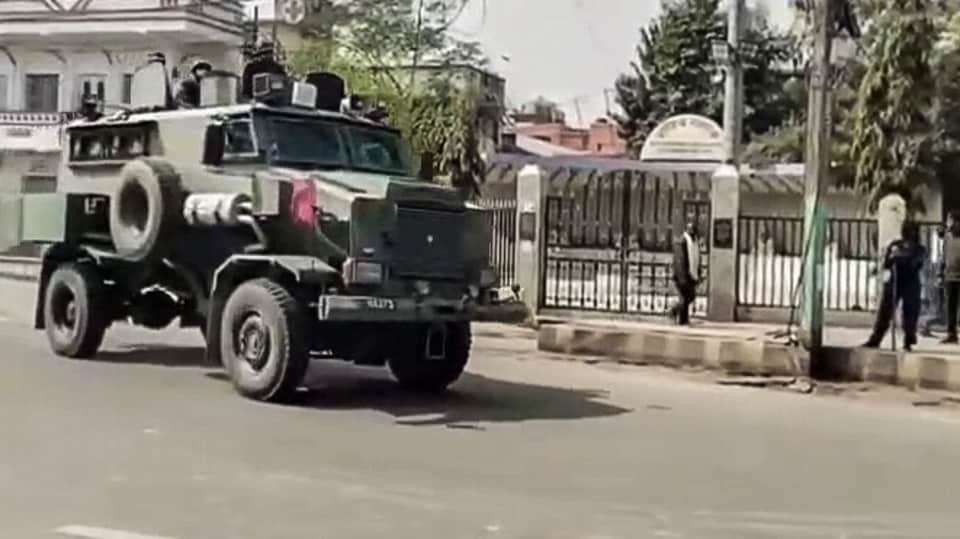
Sudhir Sharma, in-charge of the Integrated Check Post (ICP) at Rupaidiha in Bahraich, told PTI that Nepal’s Ministry of Home Affairs issued an official communication on February 26 announcing the closure.
According to the letter, all border outposts across the entire stretch of Banke district adjoining India will remain shut from 12 am on the intervening night of March 2 and 3 until 12 am on March 5 to ensure the election process is conducted in a free, fair, fearless and credible environment.
Sharma said import and export activities through the ICP will be suspended during this period, though the movement of essential medicines and other critical commodities will continue.
Also Read | Nepal bans alcohol one week ahead of March 5 general election
Heightened vigilance in place
Commandant Ganga Singh Udawat of the 42nd Battalion of Sashastra Seema Bal said instructions have been issued to enforce "restricted movement" at the border from the night of March 2 until the night of polling on March 5, following a communication from the Nepal administration.
He said heightened vigilance is already in place, and people are being allowed to cross only after thorough checking and verification of identity documents.
Citizens of both countries have been advised to avoid crossing the border during the restricted period unless absolutely necessary.
Udawat added that a significant number of Nepali voters live in India for employment and business. Such voters, along with seriously ill patients and essential goods, may be permitted to cross the border under the supervision of security forces.
Why heightened security during elections?
Last year’s protests in Nepal laid bare the depth of frustration among young people over corruption and limited opportunities in a country where nearly one in five youth are unemployed, even as children of the political elite are seen enjoying privileged, affluent lives.
Following widespread public anger that forced the government to resign, millions of Nepali voters are now preparing to elect members to the House of Representatives, the powerful lower chamber of Parliament.
The next prime minister will be appointed after securing a majority in the House.