
 E-Paper



Monkeypox ‘can be contained’ in US, White House doctor says
Ashish Jha repeated that, with more than 2,000 cases nationwide, the US Department of Health and Human Services is weighing whether to declare monkeypox a public health emergency.


Monkeypox “can be contained” in the US, with the goal of eventually eliminating the illness as testing and vaccinations ramp up, the White House’s Covid-19 response coordinator said.
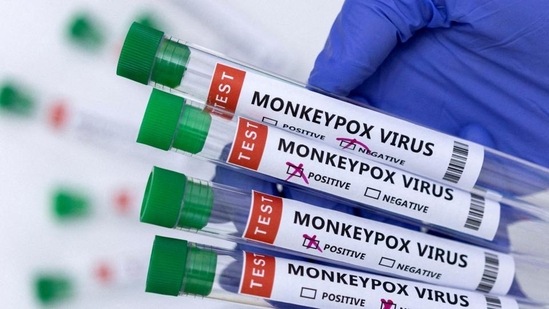
Ashish Jha repeated that, with more than 2,000 cases nationwide, the US Department of Health and Human Services is weighing whether to declare monkeypox a public health emergency. On Saturday, the head of the World Health Organization declared the global outbreak a public health emergency of international concern.
“We think we can get our arms around this thing,” Jha said in an interview with CBS’s “Face the Nation” on Sunday. “But obviously, if we need further tools, we will invoke them as we need them.”
He said “monkeypox can be contained, absolutely,” through testing and vaccines. He said the US is able now to test 80,000 people a week, and has 300,000 vaccines available. The US is also using a smallpox antiviral medication as treatment.
“There is a very substantial ramping up of response that is happening right now,” Jha said.
WHO Director-General Tedros Adhanom Ghebreyesus personally intervened after nine members of the expert committee were against declaring the monkeypox outbreak an emergency, while six were in favor. Tedros and the health organization had faced criticism in some quarters that they acted too slowly to ratchet up the alarms on Covid.
“We have an outbreak that has spread around the world rapidly through new modes of transmission,” he said during a press briefing in Geneva on Saturday.
Around the world, monkeypox is still primarily affecting men who have sex with men and those who identify as gay or bisexual. On Friday, the US Centers for Disease Control and Prevention said that two pediatric patients had been identified this week, raising concerns that the virus is finding its way into other populations.


