
 E-Paper



‘Will hold off…’: Netanyahu dials down on attacking Iran's gas fields on Donald Trump's ‘request’
Iran's retaliation for Israel's attack on its South Pars gas field sent fuel prices soaring even higher amid the closure of the Strait of Hormuz.

 Prefer HTon Google


Israeli Prime Minister Benjamin Netanyahu on Thursday said that he would hold off any future attacks on Iranian offshore gas fields, dialling down after Tehran intensified attacks on oil and natural gas facilities around the Gulf.
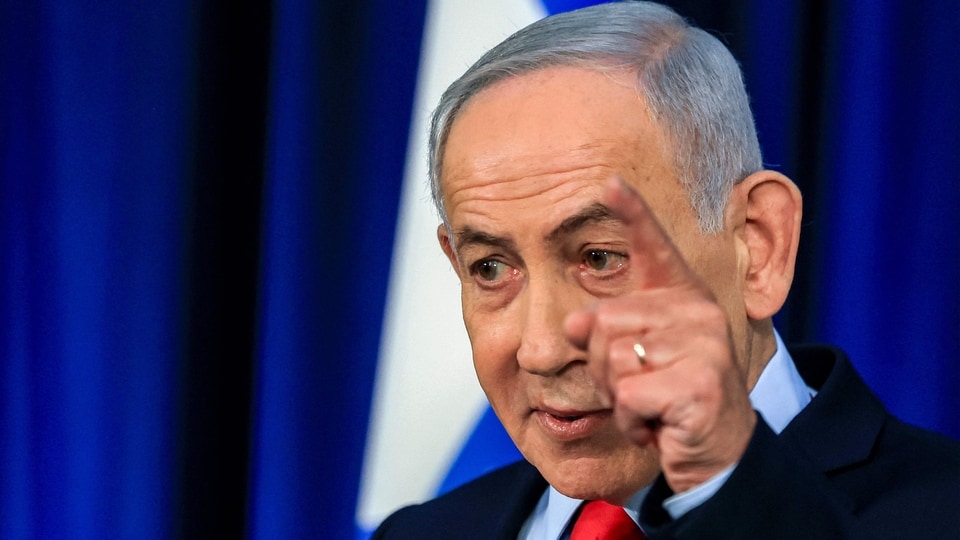
Iran's retaliation for Israel's attack on its South Pars gas field sent fuel prices soaring even higher amid the closure of the Strait of Hormuz, a strategic waterway through which a fifth of the world's oil is transported. Israel’s attack on the South Pars gas field and Tehran's subsequent retaliation on fuel infrastructure around West Asia risked drawing Iran's Arab neighbours directly into the conflict.
Benjamin Netanyahu said late Thursday that, at the request of President Donald Trump, Israel will hold off on any further attacks on the offshore gas field.
"At the request of President Trump, Israel will hold off on any further attacks on the offshore gas field [South Pars]. ... Israel acted alone [in the previous strike], but I don't think any two leaders have been as coordinated as President Trump and I. He's the leader. I'm his ally,” he said.
Trump had earlier said that he had told Netanyahu not to attack Iran's gas fields after the South Pars strike.
“I told him, ‘don’t do that.’ And he won’t do that. We get along great. It’s coordinated. But on occasion, he’ll do something, and if I don’t like it, then — so we’re not doing that,” Trump said on Thursday at the White House.
The US-Israeli war on Iran
Since the US and Israel launched the war on February 28, Iran's top leaders have been killed in airstrikes, and both Washington and Tel Aviv have claimed that the Islamic Republic’s military capabilities have been severely degraded.
Netanyahu said in a televised address that Iran no longer has the ability to enrich uranium or make ballistic missiles, although he did not provide evidence.
Still, Iran -- now led by Mojtaba Khamenei, the son of supreme leader Ayatollah Ali Khamenei, who was killed in the war's opening salvo-- remains capable of missile and drone attacks targeting its Gulf Arab neighbours.
Underscoring the danger to ships in the region, a vessel was set ablaze off the United Arab Emirates' coast, and another was damaged off Qatar. Efforts to bypass the strait were also under pressure: An Iranian drone hit a Saudi refinery on the Red Sea, which the country had hoped to use as an alternative route.
Brent crude oil, the international standard, briefly surged above $119 a barrel, up more than 60 per cent since the war started. The European benchmark for natural gas prices also rose sharply, roughly doubling in the past month.


