
 E-Paper



Ontario announces new measures to protect higher education system
Amid a housing affordability crisis, the Canadian province of Ontario is instituting several measures to protest the integrity of its post-secondary education system.

 Prefer HTon Google


Amid a housing affordability crisis, the Canadian province of Ontario is instituting several measures to protest the integrity of its post-secondary education system.
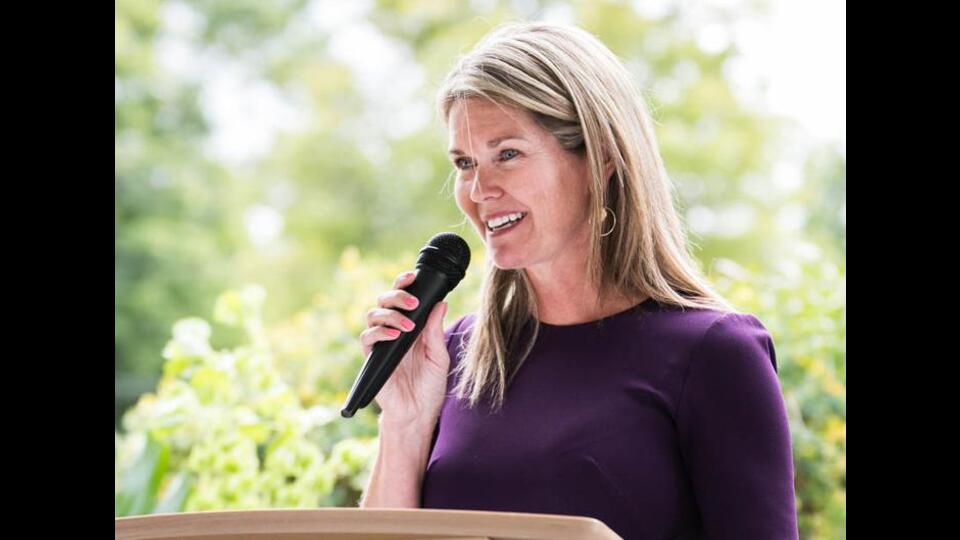
These measures were announced by the province’s , Minister of Colleges and Universities Jill Dunlop on Friday. They include placing a moratorium on new partnerships between public and private colleges. Under these arrangements, private colleges can use the public institution’s credentials to issue certificates and diplomas and this system has been accused of being misused.
In a statement, Dunlop said, “The challenges stemming from the recent spike in students coming to Canada, including predatory practices by bad-actor recruiters, misinformation regarding citizenship and permanent residency, false promises of guaranteed employment, and inadequate housing for students, require immediate attention and collaborative action.”
Of the 1,028,850 international students with study permits in Canada at the end of 2023, over half, 526,015, were in Ontario, far outstripping the next province in the regard, British Columbia, which accounted for 202,565.
The moratorium was announced to “protect the integrity of postsecondary education and promote employment in critical sectors like health care and the skilled trades”, a Ministry release stated. It will also undertake “further work” to “strengthen oversight mechanisms and ensure the quality of existing partnerships.”
The provincial government will also require “all colleges and universities to have a guarantee that housing options are available for incoming international students.
It will also institute “a review” of programs offered by postsecondary institutions with “a sizeable amount of international students to ensure that program quality protects Ontario’s reputation as a world leader in education and meets Ontario’s labour market demands.”
The release added the Ontario government will “also work with sector partners and the federal government to explore ways to further crack down on bad-actor recruiters who take advantage of international students and make dubious claims of employment and citizenship.”
“We must find more ways to work together to combat gross recruitment practices while protecting our ability to attract the world’s best and brightest to study here in Ontario,” Dunlop said.
The intake of international students has become a significant political issue in Canada of late due to pressure on shelter availability and cost.
Earlier this month, the Federal Government announced it will implement an intake cap on the number of applications accepted for study permits for international students. which is expected to result in a reduction in 35 per cent in those numbers this year as compared to 2023. “For 2024, the cap is expected to result in approximately 360,000 approved study permits, a decrease of 35% from 2023,” Immigration, Refugees and Citizenship Canada (IRCC) announced in a release at the time.
“It’s unacceptable that some private institutions have taken advantage of international students by operating under-resourced campuses, lacking supports for students and charging high tuition fees all the while significantly increasing their intake of international students,” Minister of Immigration, Refugees and Citizenship Marc Miller said in Montreal.
IRCC said, “Some institutions have significantly increased their intakes to drive revenues, and more students have been arriving in Canada without the proper supports they need to succeed. Rapid increases in the number of international students arriving in Canada also puts pressure on housing, health care and other services.”
Students from India comprise the larger national cohort among those with these study permits. Till November 2023, they accounted for 215190 out of the 579075 permits issued or 37%, while in 2022, they made for 225835 out of 548785, or 41%. The numbers have escalated sharply over the past five years when the number of Indians getting study permits was at less than half the current figure, at 107070 in 2018.


