
 E-Paper



Pak political crisis: PM rallies supporters ahead of no-confidence vote
The challenge may be the biggest yet for the former cricket star turned Islamist leader since he came to power in 2018. The opposition has demanded Khan step down over his alleged failure to improve the country’s economy.


Pakistani Prime Minister Imran Khan turned to grassroot supporters on Monday, lobbying the poor and promising better hospitals for the sick as he faces a no-confidence motion in parliament.
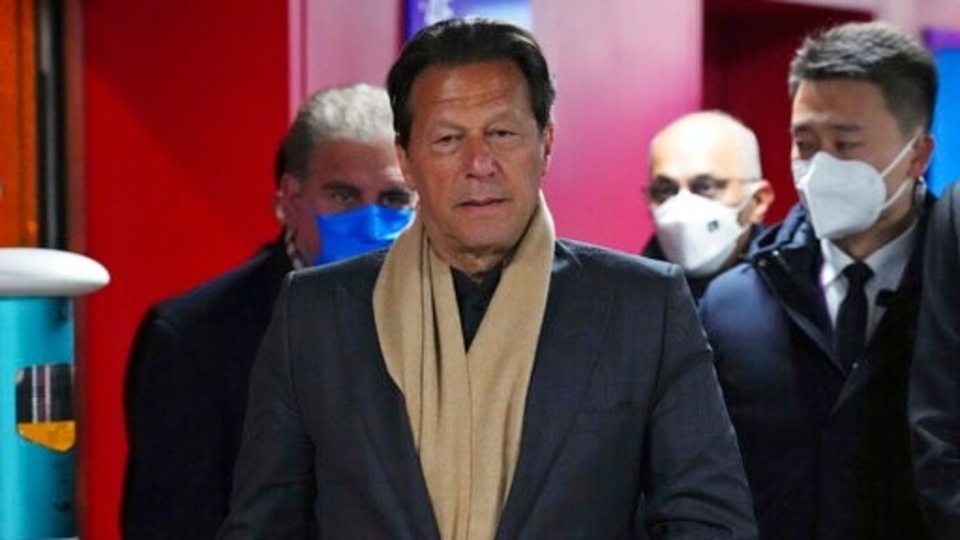
The challenge may be the biggest yet for the former cricket star turned Islamist leader since he came to power in 2018. The opposition has demanded Khan step down over his alleged failure to improve the country’s economy.
Pakistan’s key opposition parties launched a formal no-confidence vote for Khan earlier this month. Asad Qaiser, speaker of the National Assembly, convened a special session for Friday to deliberate whether Khan still has majority support in the house. Under the constitution, the parliament has three days to deliberate after which the lawmakers will vote.
Khan has remained defiant, claiming he still enjoys the backing of the majority of lawmakers in the 342-seat house.
On Monday, Khan spoke to a gathering at a hospital in Islamabad. “Since I joined politics, it was my dream that poor people should have free facilities and free medical care,” Khan said, adding that his government has succeeded in providing that to nearly every poor Pakistani citizen. He also defended his government’s performance, saying all economic indicators show improvement in Pakistan’s economy.
But recent mutinies from within Khan’s own Pakistan Tehreek-e-Insaf party could easily tip the scales against him. As many as 13 lawmakers from his party have indicated they could vote against him. After the 2018 election, Khan secured 176 votes in parliament to become prime minister.
Pak govt files petition
The Pakistan Tehreek-e-Insaf government on Monday filed a petition in the Supreme Court seeking clarification on a constitutional point regarding disqualification of the dissident lawmakers. Attorney General Khalid Jawed Khan submitted the move, also called a presidential reference, about interpretation of Article 63-A of the Constitution in the wake of nearly two dozen lawmakers of the ruling party threatening to vote in favour of the opposition’s no-trust motion.


