
 E-Paper





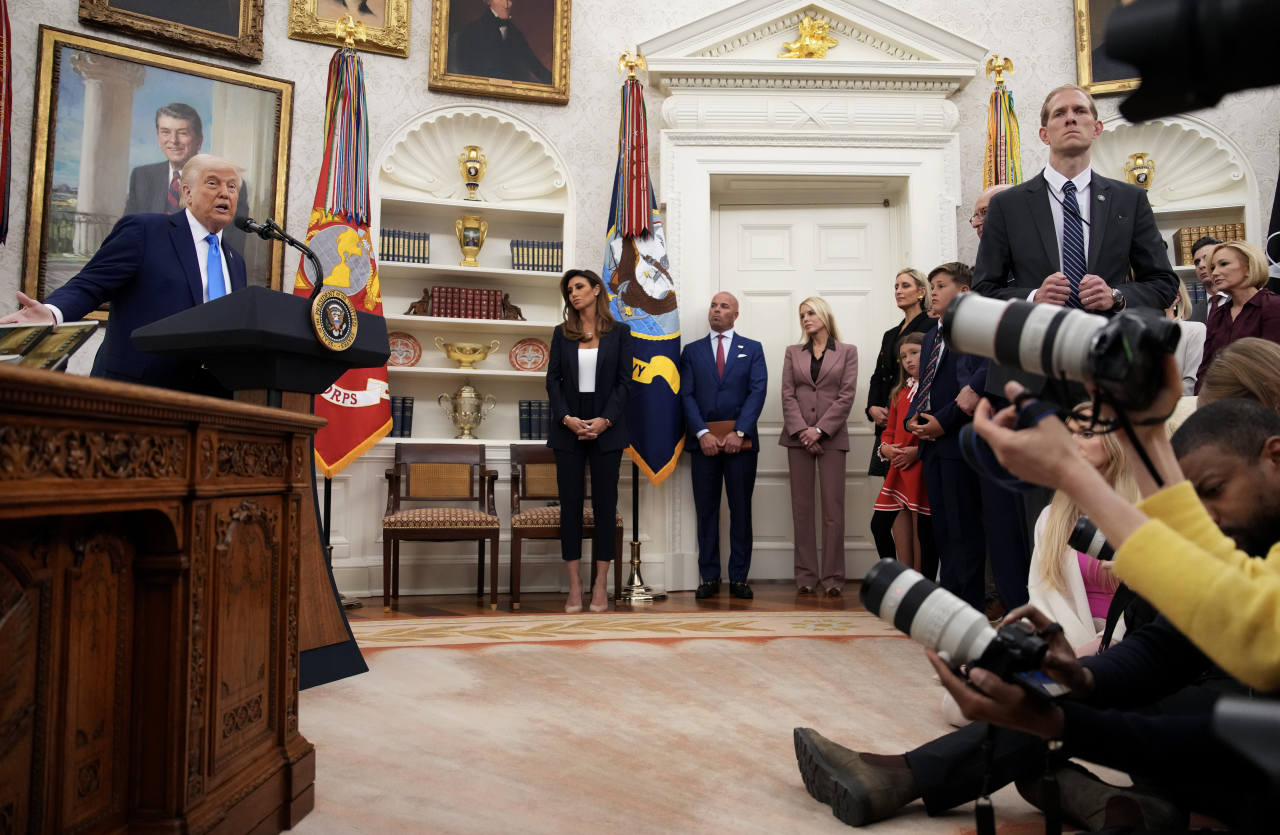
The nine law firms that promised President Trump they would perform about $1 billion in pro bono work on his favored causes have embraced broad interpretations of what they owe.
Pro Bono or Pro Nono? Law Firms Split on Fulfilling Deals With Trump
Some firm leaders have shrugged off deals as unenforceable, while at least one has taken on trade work for the administration with no fanfare.
Published on: Aug 15, 2025, 16:25:35 IST

WSJ

Share via
Copy link

Several firms that struck the unprecedented deals have shrugged them off as unenforceable and have taken on little to no additional unpaid work, according to people familiar with the matter. They are hoping Trump has moved on.
Others are doing the math to classify the pro bono work they perform anyway to satisfy their commitments to the White House.
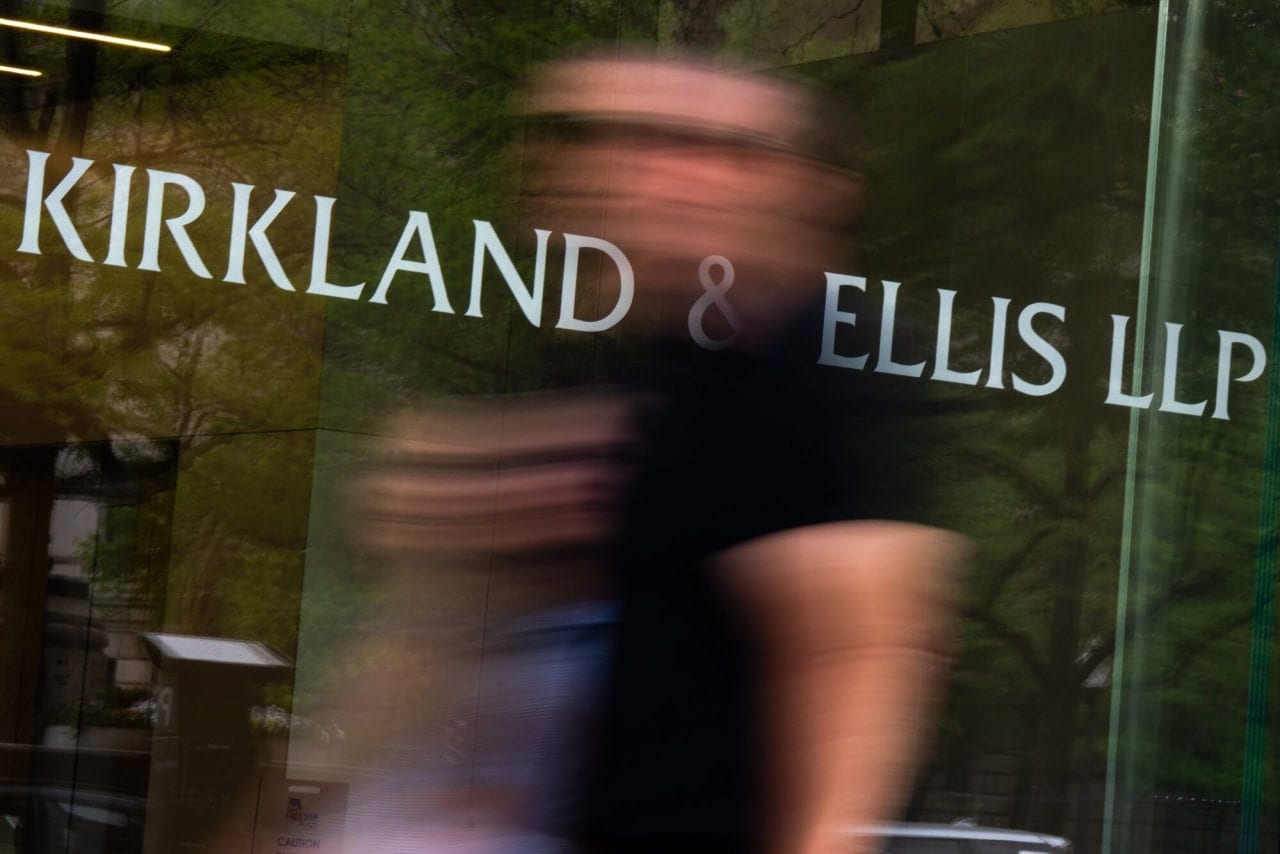
Kirkland & Ellis, meanwhile, has helped the Trump administration in its trade deals, which appears to go beyond what was spelled out in the written agreement.
Though the deals involve multibillion-dollar law firms, much of what’s known about them is essentially written on the back of a digital napkin, contributing to the uneven delivery. Trump announced the terms in a series of posts on his Truth Social platform.
Also complicating matters: Four law firms that refused to enter into agreements with Trump have won every court challenge they brought, adding to the belief that any deals announced on social media are unenforceable.
Starting in late February, Trump issued a series of executive orders threatening law firms’ access to federal buildings, security clearances and their clients’ government contracts, citing their diversity practices and connections with his political enemies. Paul Weiss was the first law firm to strike a deal with the White House, committing to $40 million of pro bono work for causes such as assisting veterans and fighting antisemitism. A series of similar deals followed with firms including Kirkland & Ellis, Simpson Thacher and A&O Shearman.
“Law firms that have for years propelled one-sided justice by providing pro bono resources to those causes that make our nation more dangerous and less free have started serving their nation,” said White House spokesman Harrison Fields. “All will benefit from this massive step to equality and justice.”
Many firm leaders said they received limited follow-up from the White House after inking the deals. Behind the scenes, Trump’s personal lawyer Boris Epshteyn, who helped negotiate the original deals, has continued communicating with firms on the administration’s behalf.
Epshteyn connected Kirkland & Ellis with the Commerce Department, which turned to the firm to help negotiate trade deals with Japan and South Korea that were both announced in July, according to people familiar with the matter.
Within the firm, the work was seen as apolitical and relatively innocuous compared with the more politically partisan and edgy assignments some in the legal industry feared might be sought by Trump allies, according to people familiar with the matter.
The New York Times earlier reported on Kirkland’s role.
“The Commerce Department and Secretary Lutnick are working with some of America’s top law firms and legal minds to cement the truly historic trade deals that President Trump negotiated for the American people,” an agency spokesman said.
One leader at a firm with a White House agreement told associates that they wouldn’t have to work on causes favored by Trump, including representing participants in the Jan. 6 riots on the Capitol—and wouldn’t face new obligations because of the deal, according to people familiar with those discussions.
The commitments will be difficult for some law firms to complete before Trump leaves office. One of the smaller dealmaking firms, Cadwalader, typically performs $5 million to $7 million of pro bono work a year, according to people familiar with the matter. It committed to at least $100 million of pro bono work, meaning it could take two decades to fulfill the terms of the deal if it devoted all of its current pro bono budget to that effort.
The co-chair of the firm’s litigation group, Nick Gravante, floated that the firm could provide pro bono help to the Brooklyn District Attorney’s Office, but a spokesman for the office said no one from the firm ever reached out.
The cases the Trump administration has lost in court have weakened its position. And in another lawsuit, filed by the American Bar Association, Justice Department lawyers recently noted that the administration has taken no additional action against firms in four months and more sanctions “may never happen.”
“I think the administration has completely lost the leverage it has over future firms,” said Gary DiBianco, a retired Skadden lawyer who recently launched a pro-bono litigation group.
Still, the deals have had one clear effect on pro bono work: Dealmaking firms have been more reluctant to take on public-interest litigation challenging the administration. Nonprofit leaders say they have had to hire new in-house lawyers to compensate for the loss of work from big firms who helped them for free in prior years but now ignore their calls.
Advocates for conservative causes had hoped the deals would give them new opportunities to secure legal support from the country’s top lawyers.
The firms that made agreements have been inundated with requests, according to lawyers familiar with the solicitations. Far-right groups have sought help. A landlord group asked firms to aid its efforts to curb rent control. A Republican donor sought help in a criminal case.
Trump directed Attorney General Pam Bondi in April to create a mechanism to deliver private-sector pro bono assistance for law enforcement officers accused of misconduct. To date the white-shoe firms have yet to show up, said Devin Barrington-Ward, a spokesman for the National Police Accountability Project, which provides legal support for plaintiffs suing over police misconduct allegations.
“It’s not happening,” agreed Harry Stern, a California lawyer who represents law-enforcement personnel facing legal liability He isn’t convinced the big firms’ expertise would translate into courtroom wins for the rank-and-file officers he typically represents, “just like they wouldn’t welcome my help in a mergers and acquisitions deal,” he said.
The Oversight Project, a conservative watchdog group formerly affiliated with the Heritage Foundation, has been approaching law firms that made deals to ask for legal help but most never responded, the group’s president, Mike Howell, said. A few firms took meetings but haven’t yet taken on any proposed legal work.
The Oversight Project plans to put out a list grading whether firms are complying with the settlements. “We have a menu of cases spanning different types of work, and we gave them every possible reason to say yes,” Howell said.
Write to Erin Mulvaney at erin.mulvaney@wsj.com, C. Ryan Barber at ryan.barber@wsj.com and Jess Bravin at Jess.Bravin@wsj.com

Get the latest World News, breaking headlines and global updates from the US, UK, Pakistan, Bangladesh, Russia and other countries. Follow major international events on Hindustan Times.


