
 E-Paper



Rethinking, not rejoining yet: Andy Burnham open to ‘honest discussion’ on UK-EU ties
Improving ties between the UK and EU has been top of the agenda for Andy Burnham ever since he took office in September.

 Prefer HTon Google


Around 10 years ago, the United Kingdom exited the European Union, a decision that would hit its economy and immigration control harder than it expected. As Britain continues to recover from the hits caused by Brexit, new prime minister Andy Burnham has said that it was time to rethink ties between the UK and the EU.
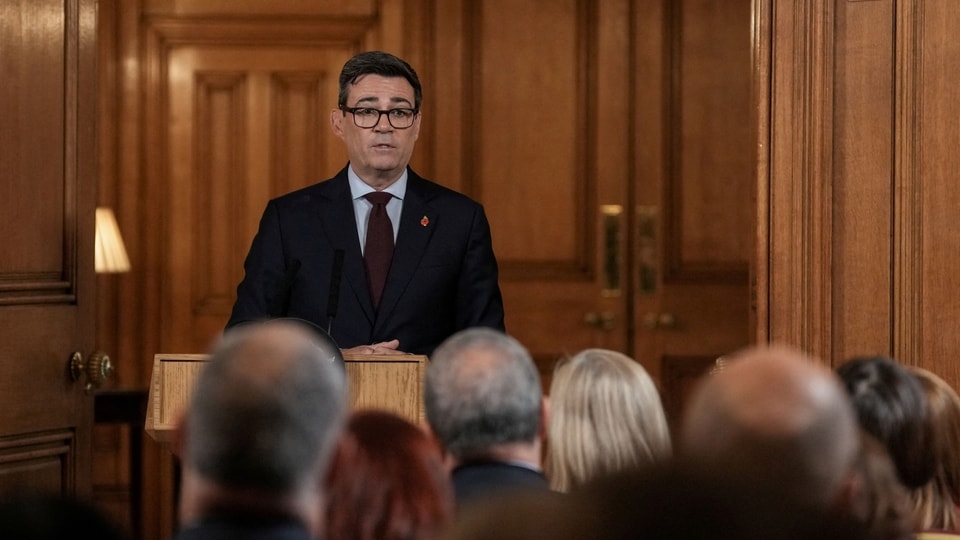
Speaking in an interview on ITV’s ‘Good Morning Britain,” the Labour leader said there is a need to be honest with the people, especially due to the impact UK’s exit from the EU has caused.
“I don’t think things have worked out as people said they would,” said Burnham, adding that the 2016 decision is unlikely to be changed or challenged during his term in Parliament.
While adding that he does not seek to re-run the 2016 referendum or move away from the Labour Party’s pledge not to join the EU single market and customs union, Burnham said that he would be open to an “honest discussion” on ties between Britain and the regional bloc.
“We need to take some practical steps to make the arrangement work better,” Burnham said, adding that Brexit “has weakened our economy.”
The UK PM’s remarks come ahead of a UK-EU Summit set for November 20 in Brussels. The key agendas of the summit are to boost economic growth between the two partners and to tackle illegal immigration into the UK.
Also Read | Ten years on, how the Brexit vote changed Britain
Improving ties between the UK and EU has been top of the agenda for Burnham ever since he took office in September.
Furthermore, the UK PM told the Sunday Times that returning to freedom of movement would no longer be a “red line.”
“Freedom of movement had very significant challenges associated with it, and I spoke about them in my previous time in parliament. But, at the same time, it was a type of immigration that perhaps wasn’t as difficult [as now],” Burnham told the English paper.
“Revolving-door migration, where people would come and then go back, is different. The balance of migration has changed, hasn’t it, since then? I think we’ve just got to have an honest discussion about those things,” he said, adding that he does not see himself “recommending anything that would involve joining the euro or Schengen."
No. 10 downplays rejoining reports
Following Burnham’s interviews, confusion spread as many assumed that the UK PM’s remarks meant a return to freedom of movement and another referendum regarding the UK’s role in the regional bloc.
The confusion also prompted an explanation from Downing Street, which stated that the prime minister was not pitching another vote.
“He is saying that it’s time for us to discuss what kind of long-term relationship with Europe is best for Britain, and he is referring to the types of areas that the agreement and long-term future could cover,” a spokesperson from No. 10 was quoted as saying by the Guardian.
Asked whether Burnham accepted that returning to freedom of movement would mean Britain lost control over legal migration, the spokesperson said: “He’s not setting out a concrete position either way. What he’s saying is that he wants to have a conversation with the British public about what our long-term future with the European Union looks like.”
How will the UK join?
The process for the UK to rejoin the European Union will be based on a consensus from the member countries of the regional bloc.
The UK in 2016 withdrew through Article 50, which allows a member state to voluntarily leave the EU. If Britain does decide to rejoin sometime in the future, it would be required to start from scratch and submit a new application, rather than expecting a fast-tracked process.
After its application, the decision will be on the remaining members of the EU based on Article 49, which governs the procedure for new members.
However, the road will not be easy as the UK is expected to be subjected to all tests and criteria before it's allowed back in.
The European Commission will also check if the UK meets the core “Copenhagen criteria.” Under this, Britain must have stable democratic institutions and the rule of law, a functioning market economy, and the capacity to adopt and implement all existing EU rules and laws.
Should the UK join?
Since its exit 10 years ago, the workings of the EU have changed, with the bloc focusing more on geopolitics in view of the ongoing war between Russia and Ukraine.
Writing for the European Policy Centre, Paul Taylor, Senior Visiting Fellow, Europe in the World Programme, says the European Union has become more geopolitical and “less unconditionally free marketeering” since the Brexit vote. Taylor also adds that the bloc has achieved “breakthroughs”, which the UK may have blocked.
According to Martin Sandbu, a European economic commentator for the Financial Times, the UK matches the EU on sanctions against Russia amid the war and growing threat, and wants to integrate its defence industry with the rest of the continent’s.
A YouGov poll on the matter, held in September, found that around 59 per cent of Britons support the call to rejoin, with 32 per cent opposed the move.
Around 69 per cent have also opposed the idea that the UK moves further away from the European Union.
Despite 59 per cent support for rejoining, 73 per cent of Britons support the UK deepening its ties with the EU without joining the bloc, the single market, or the Customs Union.


