E-Paper



Rishi Sunak feels joking about not being able to do maths is not funny. Here's why
UK Prime Minister Rishi Sunak has often stressed a lot of importance on the role of maths in country's growth.

 Prefer HTon Google


United Kingdom Prime Minister Rishi Sunak, reiterating his earlier pledge to reverse the “anti-math” mindset in the country, unveiled a blueprint Monday in a bid to boost maths education in the UK secondary schools. Sunak, criticising Britain's “anti-math” culture, which he blamed for holding back the country’s growth, advocated for valuing numeracy, saying it should be prized as highly as the ability to read.
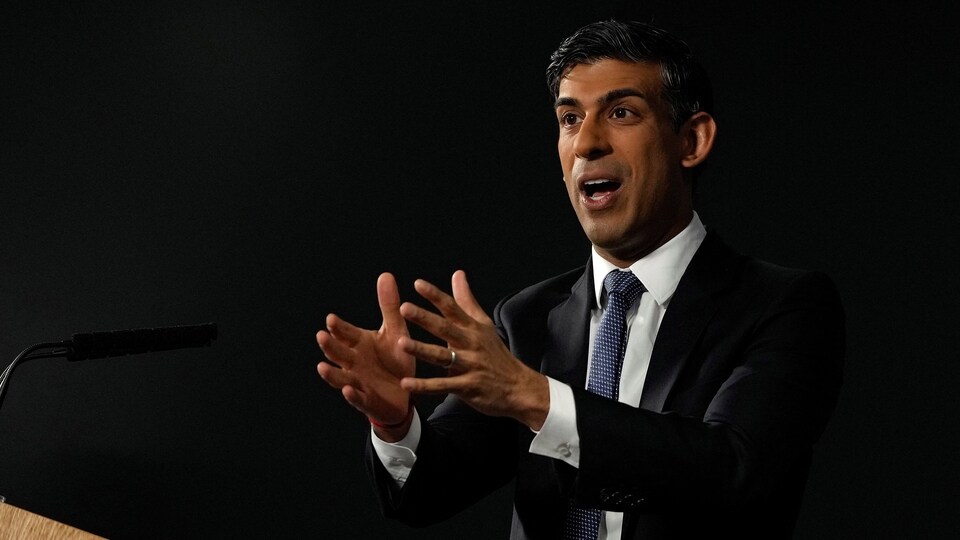
“We joke about not being able to do maths, but we’d never make a joke about not being able to read. Our plans today bring us one step closer to changing our anti-maths mindset and ensuring every young person has the skills needed for a successful future,” the Indian-origin PM tweeted, sharing what appeared to be a four-step plan in the direction to boost maths education as part of his government's priorities to accelerate economic growth.
Also Read: Rishi Sunak to be probed over wife's stake in UK childcare firm
The little details read: Transforming our national approach to maths, new advisory group of education experts, more maths hubs to support teaching, new professional qualification for maths leaders in primary schools.
The plan follows his earlier remarks, including his first major speech this year in January, when he said he wanted all the UK students to study maths till the age of 18 years.
Over 8 million UK adults possess maths skills lower than those expected of a 9-year-old, making it among the least numerate countries in the Organisation for Economic Co-operation and Development bloc, Bloomberg reported.
Sunak’s plan also bears significance for it comes at a time when the UK teachers plan another walkout at month-end due to low wages as the country grapples with a cost of living crisis amid a double-digit inflation.