
 E-Paper



Sri Lanka protester shot dead by cops, first killing during anti-government agitation
Police used live ammunition against a group who were blocking a highway in Rambukkana to protest acute oil shortages and high prices, hospital and police.

 Prefer HTon Google


The Sri Lanka police on Tuesday shot dead one man and wounded 10 others, news agency AFP reported, quoting officials. This is reportedly the first killing of a protester in weeks of anti-government demonstrations over the island's crisis.
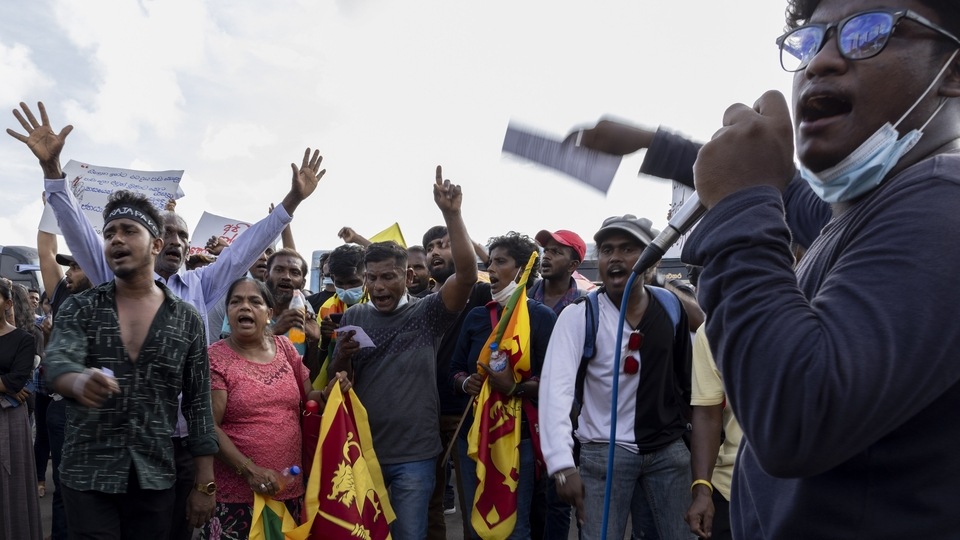
Police used live ammunition against a group who were blocking a highway in Rambukkana to protest acute oil shortages and high prices, hospital and police, the report added.
The Sri Lankan media reported that videos surfacing from the ground showed protestors carrying the wounded and rushing them to the hospital, with one protestor alleging that the police were to blame for it.
The demonstrators have now surrounded the Rambukkana Police Station and are hurling stones at the building.
Sri Lanka is going through the worst economic crisis since independence in 1948, with severe shortages of essential goods such as fuel and regular blackouts causing widespread misery.
The island nation has witnessed massive agitations demanding the resignation of the government, which is preparing to negotiate an urgently needed bailout with the International Monetary Fund (IMF).
In Colombo, a large crowd of protesters have maintained a camp outside the seafront office of President Gotabaya Rajapaksa for more than a week, demanding the leader step down.
Also Read | Burning tyres, blocked roads as Sri Lanka protests fuel shortage, price hikes
The protest was one of many spontaneous gatherings staged around Sri Lanka on Tuesday, after the country's main petrol retailer hiked prices by nearly 65 per cent, AFP reported.
Thousands of motorists in various parts of Sri Lanka blocked arterial roads with mounds of burning tyres to condemn the move.
Earlier in the day, doctors at the country's main children's hospital also staged a protest over a severe shortage of medicines and equipment.
In a bid to address growing calls for his entire government to resign, on Monday, President Rajapaksa appointed a new 17-member cabinet that excluded his close relatives except Prime Minister Mahinda Rajapaksa. That meant no place for the oldest member of the family Chamal Rajapaksa, Mahinda’s son Namal Rajapaksa, both of whom were cabinet ministers and the nephew Shasheendra who was a state minister.
President Rajapaksa, 72, admitted that mistakes like banning chemical fertilisers in 2020 and not seeking an IMF bailout led to the current economic crisis.
He also said his government should have gone an International Monetary Fund (IMF) bailout much earlier. “It was a mistake not to go,” he said.
Speaking to his newly inducted cabinet ministers, the president termed his decision to ban chemical fertilisers in farming "a mistake" and that corrective steps were being taken now.
President Rajapaksa in mid-2020 banned the use of fertiliser imports in order to turn to a green agricultural policy with organic fertiliser.
Largely attended public protests including the one opposite his secretariat here and a cross-country call for President Rajapaksa's resignation have jolted the government.
The powerful Rajapaksa family tightened their grip on power after their massive victory in the general elections in August 2020 that allowed them to amend the Constitution to restore presidential powers and install close family members at key positions.
(With inputs from agencies)


