E-Paper



Tankers crossed Strait of Hormuz amid reports of firing after Iran briefly opened key waterway
The Strait of Hormuz handles roughly one-fifth of global oil and liquified natural gas flows during normal conditions.

 Prefer HTon Google


At least eight oil and gas tankers crossed the Strait of Hormuz on Saturday after Iran briefly signalled that the critical shipping route was open during an ongoing ceasefire in the Middle East conflict.
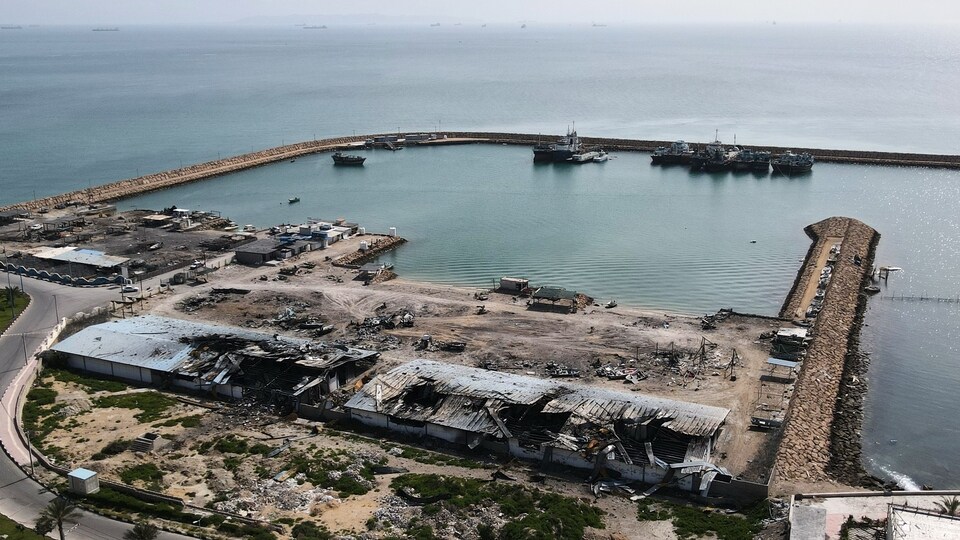
Later in the day, two merchant vessels reported being hit by gunfire while attempting to transit the strait, Reuters reported, citing three maritime security and shipping sources. The extent of the damage was not immediately clear.
The developments came hours after Iran announced a renewed blockade of the strait, following a brief reopening during negotiations with the United States.
Maritime tracking data showed that the vessels which crossed the Strait of Hormuz, included crude oil tankers, liquified petroleum gas carriers, and oil and chemical tankers, news agency AFP reported.
Key trade route remains disrupted
The Strait of Hormuz handles roughly one-fifth of global oil and liquified natural gas flows during normal conditions. However, shipping activity had slowed sharply since the conflict escalated on February 28, following US and Israeli strikes on Iran.
Also read | How Iran's 'mosquito fleet' of boats ensures Strait of Hormuz blockade
Even as some vessels managed to transit the route on Saturday, broader traffic patterns remained uneven. Data from MarineTraffic showed that several tankers approaching the strait had turned back near Iran’s Larak Island, which has been functioning as a checkpoint under Iranian control during the blockade.
Hormuz shut by Iran again
Later on Saturday, Iran’s central military command indicated a shift in position, stating that “strict management” of the strait would resume. The move was described as a response to a US naval counter-blockade.
The earlier closure of the strait has left hundreds of vessels stranded in the Gulf. It has also contributed to rising oil prices and higher shipping costs, with many ship operators avoiding the region due to security concerns, including the risk of attacks or sea mines.
Sanctioned ships and signals of neutrality
Among the vessels that exited through the strait on Saturday, at least three were reported to be under US sanctions. Some ships transiting the area were broadcasting destinations linked to India or China, which is being seen as an attempt to signal neutrality amid the tensions.
Also read | Iran reimposes ‘strict control’ on Strait of Hormuz amid continued US blockade
MarineTraffic data also showed a limited presence of other cargo vessels in the area, including container ships associated with the French shipping firm CMA CGM.
In a notable development, a cruise ship, Celestyal Discovery — crossed the strait on Friday, marking the first such passenger transit since the conflict began. The vessel moved close to Oman’s coastline after being docked in the UAE for approximately 47 days.
Also read | Merchant vessels shot at while attempting to cross Strait of Hormuz
“Reports indicate the vessel is sailing without passengers,” Marine Traffic said in a post on X.
Despite the temporary reopening, industry bodies have urged caution. “The status of mine threats in (Iran's maritime) traffic separation scheme is unclear,” Jakob Larsen, chief security officer of major shipping association BIMCO, said in a statement emailed to AFP. “BIMCO believes shipping companies should consider avoiding the area.”
(With inputs from AFP)