
 E-Paper



Trump, Coke and the Sugar Cartel
The President says things go better with cane sugar. So stop aiding corn syrup.


 Prefer HTon Google


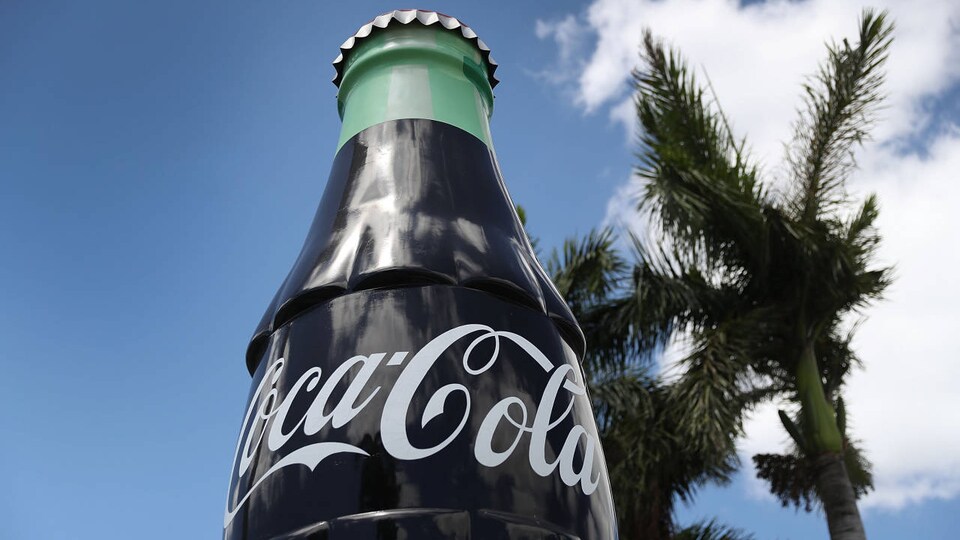
President Trump is pressing Coca-Cola to make its U.S. soft drinks with cane sugar instead of high-fructose corn syrup, and on Tuesday the company said it will launch Mr. Trump’s preferred version as a new product this fall. Consumers will decide if it succeeds, but if Mr. Trump wants to help, he could dismantle U.S. sugar protectionism that gives corn syrup a cost advantage.
This episode is a collision between MAGA-style economics and populist nutrition. Scientific authorities generally say there isn’t a big health difference between corn syrup and sugar, and the important thing is not to chug too much of either. A soda isn’t carrot juice, no matter the sweetener.
Yet Health Secretary Robert F. Kennedy Jr. has called corn syrup “a formula for making you obese and diabetic.” He’s a man of the left who blames America’s health problems on big corporations.
Soda aficionados also say they can taste the difference, which is what Mr. Trump seemed to cite. “I have been speaking to Coca-Cola about using REAL Cane Sugar in Coke in the United States, and they have agreed to do so,” he wrote on Truth Social. “This will be a very good move by them—You’ll see. It’s just better!” Having ended the Ukraine and Gaza wars, Mr. Trump apparently has the time to tell soda makers what to put in their bottles.
Coca-Cola’s statement was that it plans to sell “an offering made with U.S. cane sugar,” but as a “complement” to its existing U.S. lineup. In other words, corn syrup isn’t being phased out. Since it’s cheaper, that’s no surprise. The federal government props up sugar prices to the benefit of U.S. producers, particularly but not exclusively in Florida, by meddling in markets with a complicated tariff-quota system.
“In 2022, U.S. wholesale refined sugar prices were more than double the world price,” the Government Accountability Office said in 2023. Its report cited estimates that U.S. sugar producers get a protectionist windfall of $1.4 billion to $2.7 billion a year. But sugar users “lose an estimated $2.5 billion to $3.5 billion of consumer benefit,” making it a net loss. Also, high U.S. sugar prices are another incentive for confectioners and food manufacturers to set up shop elsewhere.
It’s classic protectionism: The government gives concentrated benefits to sugar producers. The costs are borne by everybody, but they are diffuse. The program is a net loss for the country, but the subsidized industry becomes influential and will spend money in politics to preserve its take. The downstream jobs that never get created because of the protectionist policies don’t have anyone to stand up for them, because they don’t exist.
By the way, Mr. Trump is threatening to levy a new 50% tariff on imports from Brazil. What does the U.S. buy from there? Cane sugar.


