
 E-Paper



Trump’s Unpredictability Has Costs, Too
He gains flexibility at the price of public persuasion and strategic coherence.


 Prefer HTon Google


My grandfather was an irritating bridge player. Avoiding dramatic and attention-grabbing high-risk bids, he worked on what he called the creep system, inching toward his goals by winning one boring low-bid hand after another. Lately, America’s adversaries seem to be taking a leaf out of his book. Even as they step up their campaign against American power, the revisionist axis of China, Russia, Iran and North Korea seeks to avoid triggering moments like the Pearl Harbor attack, which roused the American people to the heroic efforts and sacrifices that won World War II.
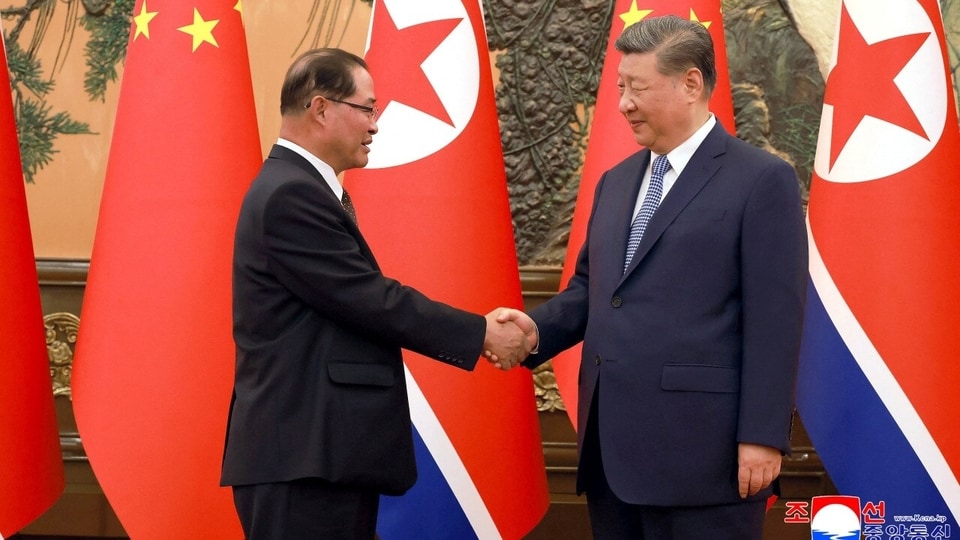
The strategy has brought them some successes. China, Russia, Iran and North Korea are cooperating with one another more effectively than ever. Even as war materiel and North Korean soldiers flow across Eurasia to support Russia’s war on Ukraine, information and technological breakthroughs flow back, preparing Chinese and North Korean military leaders for the new age of war. Similarly, Iranian drones helped Vladimir Putin’s war on Ukraine, and access to Russian technology and intelligence is helping Iran in its war against the U.S.
At the same time, the level of gray-zone or hybrid war continues to creep up without triggering a strong public reaction. Last week’s reports that cyberattacks on water systems in seven states may be linked to Iranian hackers created scarcely a stir. That shouldn’t be surprising. Cyberattacks on both physical infrastructure and information systems have inexorably grown into a strategic threat.
There are other forms of gray-zone war. China is stepping up harassment in the waters around Japan, the Philippines and Taiwan. Beijing is also using trade as a weapon in its assault on European industry and has placed restrictions on key exports and raw materials. The weaponization of information operations has brought the most sophisticated propaganda campaigns in history into American media and politics. Migration has become a political tool as countries ranging from Russia and Turkey to Morocco hold back or encourage waves of migrants to achieve political ends. The infiltration of nongovernmental organizations, political movements and institutions by foreign operatives is at unprecedented levels.
Cries to “globalize the intifada” are essentially calls for global terrorism against Jews and the institutions and people who support them. Much global terrorism was quietly supported by the Soviet Union and its satellites during the Cold War, and one can safely assume that today’s revisionist powers are easing the path for jihadist attacks on Jewish and other targets across much of the world.
So far, the public response to all this is mostly a yawn. Americans may be uneasy about the state of the world, but most haven’t connected the dots. Until they do, U.S. policy responses are unlikely to achieve the strategic coherence and focused intensity needed to reverse the global trend toward ever-sharper great-power confrontation potentially leading to war.
Normally one would look to the president to educate Americans to the perils we face, but President Trump, like Presidents Biden and Obama before him, isn’t rising to the challenge.
Mr. Trump has his reasons. For one thing, he must deal with a fragile and combustible coalition divided between neoisolationist “restrainers” and interventionist hawks. Then there is his negotiating style. When it comes to dealmaking and politics, Mr. Trump believes he loses leverage when he tips his hand. Keeping adversaries, the public and even close allies guessing is part of his method. For this president, tactical flexibility is the foundation of strategic success, and he’d rather keep China and Russia guessing about his intentions than lay out his view of the world with the clarity that inevitably would diminish the maneuverability he craves while making his behavior more predictable to his opponents.
These are real considerations, but Mr. Trump finds himself in a jam. He must marshal support for the policy choices he will make in the next two years and for the cost of the defense measures the situation requires. His administration has to engage more persuasively and more systematically to ensure the public support the president will require to respond to a more dangerous world.
Greatness in presidents has three components. Great presidents grasp the true nature of the country’s challenges. They communicate that vision effectively to the American people. And despite the inevitable mistakes and misfires, they ultimately find the right people and the right methods to deal with those challenges.
Mr. Trump very much wants to be recognized as one of America’s great presidents. Awakening the American people to the true state of world affairs would be a historic achievement and bolster his reputation while making the nation more secure.


