
 E-Paper



Urge Chinese authorities to free Panchem Lama, says United States
In 1995, a young Tibetan boy Gedhun Choekyi Nyima was recognised as the 11th Panchen Lama, the second highest spiritual authority in Tibetan Buddhism after Dalai Lama. Days later Nyima had disappeared, becoming the world’s youngest political prisoner.


The United States has urged China to release Tibetan Buddhism’s 11th Panchen Lama, who was taken into captivity at the age of six by Chinese authorities.
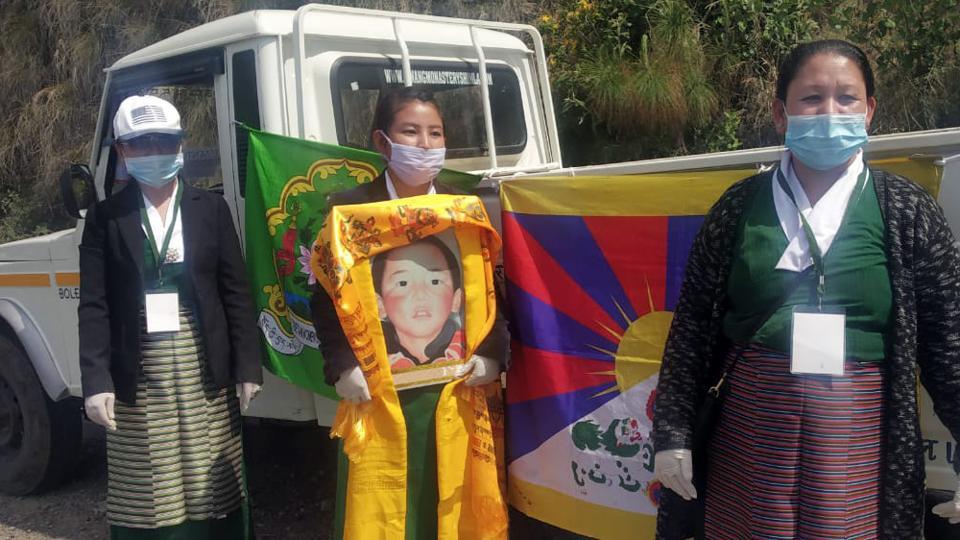
In 1995, a young Tibetan boy Gedhun Choekyi Nyima was recognised as the 11th Panchen Lama, the second highest spiritual authority in Tibetan Buddhism after Dalai Lama. Days later Nyima had disappeared, becoming the world’s youngest political prisoner.
“We do not have any idea of the whereabouts, and yes, we continue to press the Chinese authorities to release the Panchen Lama and to let him free, and let the world know where he is,” Ambassador-at-Large for International Religious Freedom Sam Brownback told reporters during a conference call on Thursday.
“And this takes on an increased interest as China continues to assert the right to appoint the next Dalai Lama, which they do not have the right to do,” Brownback said in response to a question.
Meanwhile, the United States Commission on International Religious Freedom (USCIRF), in a statement, reiterated its call for the State Department to fill the vacancy for the Special Coordinator for Tibetan Issues.
The appointment of the Special Coordinator for Tibetan Issues is mandated by the Tibetan Policy Act of 2002, however this position has been vacant since January 20, 2017.
Previous Special Coordinators have been crucial to raising the profile of religious freedom issues in Tibet and mobilising government resources to address the issue, it said.
“The Chinese Communist Party is attempting to erase the unique identity of Tibetan Buddhism,” noted USCIRF Commissioner Gary Bauer.
“We need to utilise all of the policy tools available, including the position of Special Coordinator for Tibetan Issues, to confront this grave threat to religious freedom,” he said.


