E-Paper


Alaska’s ‘Nazi Creek’ renamed to honour Indigenous heritage
The US Board on Geographic Names has approved the renaming of ‘Nazi Creek’ and a nearby hill on Little Kiska Island, with names in Indigenous Unangax̂ language.

 Prefer HTon Google


Federal officials on Thursday unanimously approved the renaming of two natural features on Alaska’s Little Kiska Island, removing World War II-era names considered offensive and replacing them with Indigenous terms. The changes are a long-awaited step toward restoring cultural respect and historical accuracy in the Aleutian Islands.
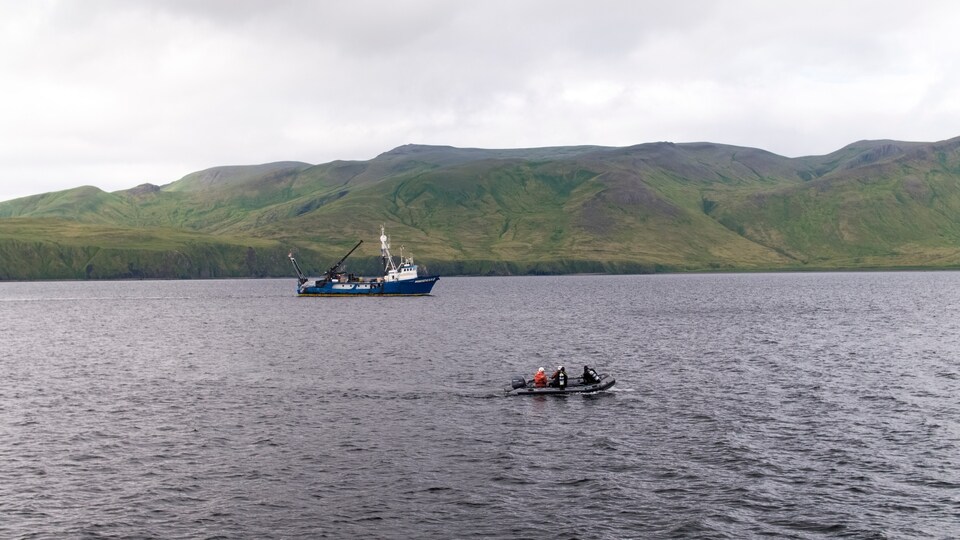
The United States Board on Geographic Names voted 17-0 to rename the ‘Nazi Creek’ to Kaxchim Chiĝanaa which translates to ‘Gizzard Creek’ or ‘Creek belonging to Gizzard Island’ in Unangam Tunuu, according to a report by the Alaska Beacon.
A nearby summit known by a slur for Japanese people was renamed to Kaxchim Qayaa or ‘Gizzard Hill’. Both the names were derived from traditional Indigenous names for Little Kiska Island.
A report by SF Gate quoted Michael Livingston, a member of Qawalangin Tribe of Unalaska, who led the campaign for change, said the elders of the community were happy with the name change. “It’s about making things better for our community, " Livingston said.
Livingston’s efforts, the report added, were backed by local Native tribes, cultural institutions and civil rights organizations including the Museum of the Aleutians, Congregation Beth Sholom of Anchorage, and the Alaska chapter of the Japanese American Citizens League.
The origins of old names
The former names, as per the Alaska Beacon report, dated back to a 1953 US Army map, where cartographers assigned arbitrary names based on alphabetical order, an explanation critics said was dismissive and harmful.
Livingston said that these offensive terms were removed after World War II but somehow reappeared in mapping databases during the 2010s due to unvetted digitization of old maps.
The Aleutian Islands saw military action during World War II, including Japanese occupation of Attu and Kiska Islands.
The US government then had forced many Indigenous Unangax̂ people into poorly maintained internment camps. Many had died from illness and neglect in these camps.
Federal reparations for those actions, according to the Beacon report, were granted in 1988 alongside payments to Japanese Americans interned during the war.
Livingston's mission for change continues
Livingston, a former police captain, was inspired to push for accurate mapping after delayed emergency response in Anchorage in 2002 which was partially caused by map inaccuracies. That’s when he came across ‘Nazi Creek’ while reviewing outdated maps and was appalled to see it still in use.
Livingston told SF Gate that to see ‘Nazi’ on a map in 2020s America was “unthinkable”. His next target is Quisling Cove, a body of water named after Norwegian Nazi collaborator Vidkun Quisling. The renaming is currently under review.
FAQs
Q: What was “Nazi Creek” renamed to?
It was renamed to Kaxchim Chiĝanaa, meaning “Gizzard Creek” in the Unangam Tunuu language.
Q: Why were the names changed?
The names were considered offensive and rooted in arbitrary WWII-era naming conventions that ignored Indigenous history.
Q: What language are the new names from?
Unangam Tunuu, the traditional language of the Indigenous Unangax̂ people.
Q: Are more name changes expected?
Yes. A campaign is on to rename Quisling Cove, another WWII-era name referencing a Nazi collaborator.