
 E-Paper


From groceries to cars, how Trump's hike on steel, aluminium tariffs could impact markets
Steel and aluminium imports from the United Kingdom will continue to be taxed at 25 per cent, after the country's recent trade deal with the US.

 Prefer HTon Google


United States President Donald Trump's decision to hike steel and aluminium tariffs up to 50 per cent will come into effect on Wednesday, and is expected to impact markets, from automakers to household products.
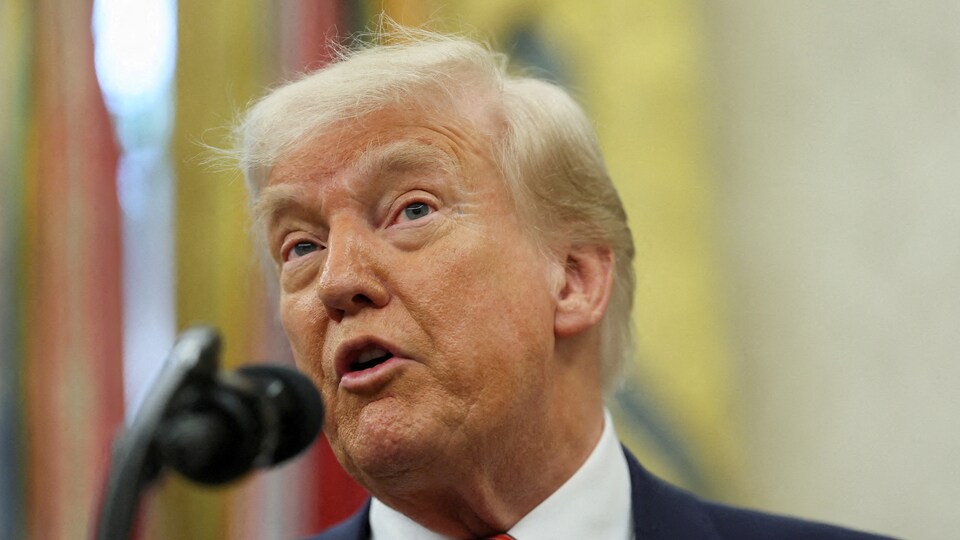
The steel and aluminium imports, which were previously taxed at 25 per cent, were doubled after an executive proclamation signed by Trump late Tuesday. The tariffs had remained at 25 per cent since Trump's March 12 order to remove the exemptions on steel and raise aluminum’s levy.
While the tariffs for other countries have been doubled, steel and aluminium imports from the United Kingdom will continue to be taxed at 25 per cent, after the country's recent trade deal with the US, according to the Associated Press.
Trump's take on the doubled tariffs
While doubling the tariffs, Trump said that the move would protect industries in the US, highlighting that the hikes would “further secure the steel industry in the US".
In the proclamation issued Tuesday, the US President also assured that the increased tariffs would “not threaten to impair the national security". He added that these would “effectively counter foreign countries that continue to offload low-priced, excess steel and aluminum” to the US.
Impact on industries and consumbers
The tariff hike is expected to impact markets ranging from the auto industry to household items. The move will also result in an increase in prices for the consumers, according to the AP report, given that steel and aluminium imports in the US are used for manufacturing household products from soup cans and paper clips to refrigerators and cars.
While the businesses in US relying on steel and aluminium imports from other countries were already reeling under levies imposed by Trump previously, the recent move will drive up costs further. Consumers who are not looking to purchase new vehicles might also face the impact, with repairs involving parts which use imports of steel or aluminium, thus resulting in an increase in maintenance costs. This is crucial given that the auto industry relies on a global supply chain, as per the AP report.
The tariff hikes could also impact groceries in the US, as well as businesses indulging in construction and transportation. Steel and aluminium are used in the packaging for several household products, mostly canned items.
Steel prices in the US have witnessed an increase of 16 per cent since Trump took office in January earlier this year.
The tariff hikes on these metals could also trigger a response from other countries, with the European Commission already making its intention of retaliating to the move clear.
While saying that it “strongly” regrets the decision to hike tariffs, the EU said that the move “adds further uncertainty to the global economy and increases costs for consumers and businesses on both sides of the Atlantic”, as per a Reuters report.


