
 E-Paper


Green Card rule update: What Trump admin's new changes mean for applicants. Explained
New policy cuts work-permit duration, expands immigration reviews raising uncertainty for green card seekers and holders.

 Prefer HTon Google


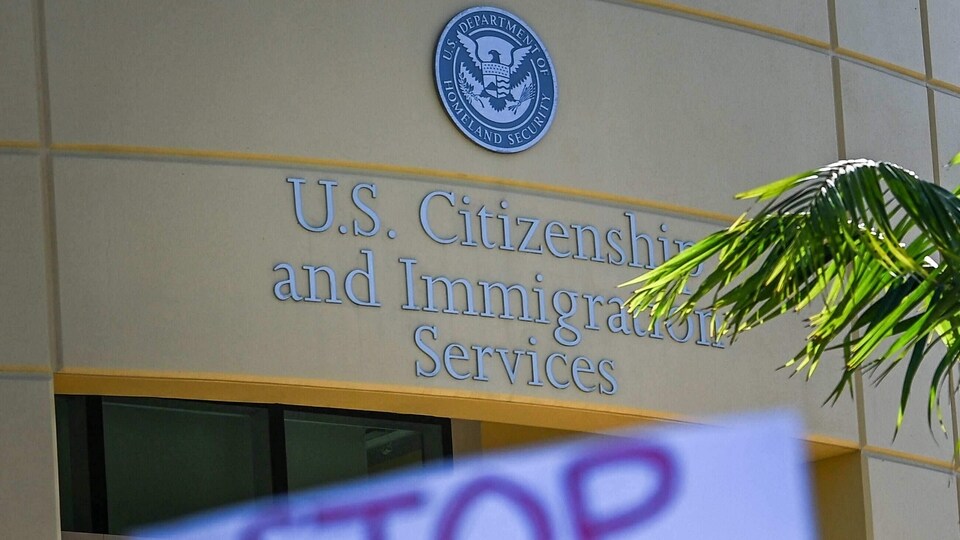
On December 4, the U.S. Citizenship and Immigration Services (USCIS) announced changes affecting immigrants’ work permits and Green Card applications. The changes have taken effect from December 5, 2025.
What changed?
The validity of employment-authorization documents (EADs), which immigrants frequently use while awaiting a green card, has been reduced from up to five years to just eighteen months. This is one of the biggest changes.
Beneficiaries will therefore need to apply for renewals much more frequently, which will result in additional paperwork, costs, and uncertainty between renewals.
Along with the changes in the time period of the EAD, a recent memo reportedly also instructs USCIS to conduct a “comprehensive re-review, potential interview and re-interview of all immigrants from high-risk countries of concern who entered the United States on or after January 20, 2021.” This includes Green Cards, EAD, travel documents, and other benefits.
As a result, the agency has paused all pending immigration applications and adjudications affecting green-card requests, naturalizations, asylum applications, and visa processes from nationals of 19 non-European countries.
A widely circulated list of “countries of concern” includes Afghanistan, Somalia, Iran, Yemen, Libya, Haiti, Cuba, Venezuela and others. Nationals from these countries face the re-review even if their Green Cards were already approved under prior administrations.
Read more: US to block SNAP funds? Here's why Trump administration has warned Blue states
How does it affect the immigrants and what should they do?
According to Newsweek, in addition to paying higher fees and going through more administrative procedures every 18 months, applicants also have to get ready to renew their EADs nearly three times as frequently.
Green card applicants will be required to plan for more frequent renewals as well. They should be quick and apply for the EAD renewal according to USCIS's directive of filing it up to 180 days before the EAD expires.
Keep all the supporting documents safe and organised. Passport, I-485 receipt, and the previous EAD information should be correct and up to date with USCIS.
Setting aside money for increased filing costs. According to Newsweek, as of the time of publication, renewals can cost up to $605; however, candidates for green cards may be eligible for a discount.
Notifying employers of these modifications will help with compliance planning and prompt I-9 re-verification. In order to account for the increased frequency of I-9 verifications of their employees' employment status, employers will probably also need to change their compliance procedures.
Read more: Indian man on student visa charged with shocking crimes in Rhode Island
Work-permit squeeze and economic uncertainty
The reduction in the valid time period of the EAD will sharply increase the frequency of renewals, impose more filing fees and bureaucratic burden, and elevate the risk that delays in processing may leave immigrants without valid work authorization while waiting for renewal approval.
The administration had also previously ended the practice of automatic extensions of EADs. Under the new rule (effective October 30, 2025, for renewals), once an EAD expires, individuals cannot legally continue working until their renewal is approved. So if there is any delay from USCIS's end, it could result in a work-authorisation gap.
Business Standard notes that employers who rely on immigrant labor, particularly in industries where the percentage of migrant or asylum-seeker workers is high, have voiced worry that workforce instability could result from unpredictable renewal schedules.
It is a topic of worry amongst the immigrant community as well, since many rely on EADs to legally work for years while their permanent-residency applications remain pending. The new rule, therefore, injects uncertainty into their ability to maintain stable jobs and support their families.


