
 E-Paper


Northwestern University President Steps Down Amid Trump Pressure
Michael Schill is the latest university leader to depart during higher education turmoil.


 Prefer HTon Google


Northwestern University President Michael Schill said Thursday he was resigning, marking the latest university leader to step down during a tumultuous period in higher education.
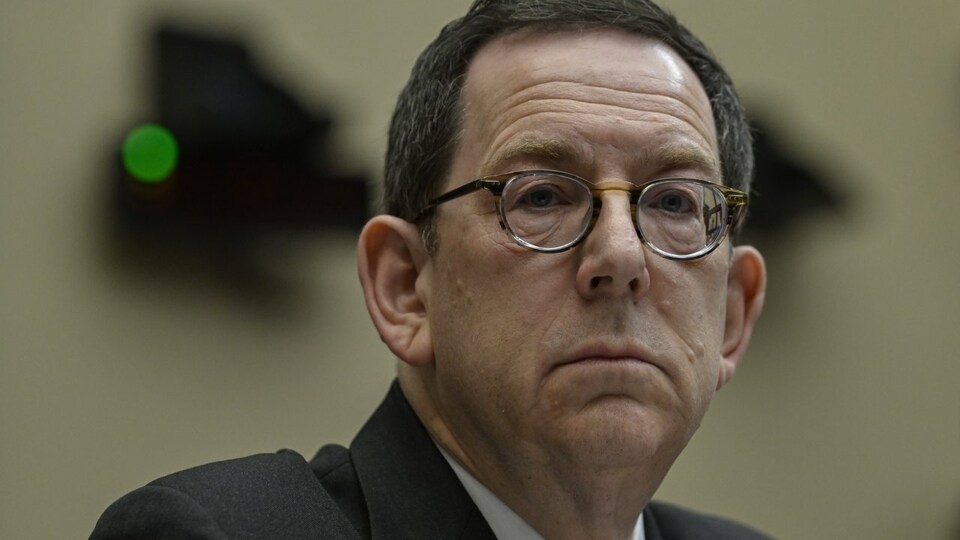
Like many of its peers, Northwestern has faced pressure from the Trump administration over its handling of pro-Palestinian protests on campus following the deadly Oct. 7, 2023 Hamas attacks in Israel.
The Midwestern university has had $790 million in federal research money frozen, affecting hundreds of scientific projects, including clinical trials with patients on lifesaving medicine.
In a message to the campus on Thursday, Schill, 66 years old, said that after three years in the job, he had decided now was the right time to step aside for a new leader. “It is critical that we continue to protect the University’s research mission and excellence while preserving academic freedom, integrity, and independence,” he said.
The announcement comes before students return to the Evanston, Ill., campus for the fall quarter. Schill will stay in the job until an interim president is named, and then join the law school faculty after a sabbatical.
Schill has twice gone before a congressional committee, including in a closed-door August session, to answer questions about antisemitism on campus. “None of us were prepared for what we saw after Oct. 7, and you have my commitment that we will do what is necessary to combat antisemitism,” Schill testified in May 2024, during a public hearing with other university leaders.
Early in the Trump administration, Northwestern appeared on a list of 10 universities identified as initial targets by the federal Task Force to Combat Antisemitism. The university drew national attention when school leaders in spring 2024 cut a deal with pro-Palestinian students to end an on-campus encampment.
In his Thursday message, Schill said the university has “faced serious and often painful challenges” and acknowledged that “difficult problems remain, particularly at the federal level.”
Write to Sara Randazzo at sara.randazzo@wsj.com


