E-Paper


US-Iran war ‘terminated’? Trump admin’s new rhetoric to bypass Congress nod
The US official argued that there has been no exchange of fire between the US military and Tehran since the ceasefire took effect on April 7.

 Prefer HTon Google


The Trump administration is arguing that the war with Iran has effectively ended. It points to a ceasefire that began in early April even as traffic in the Strait of Hormuz remains disrupted and the United States is enforcing a naval blockade of Iranian ports.
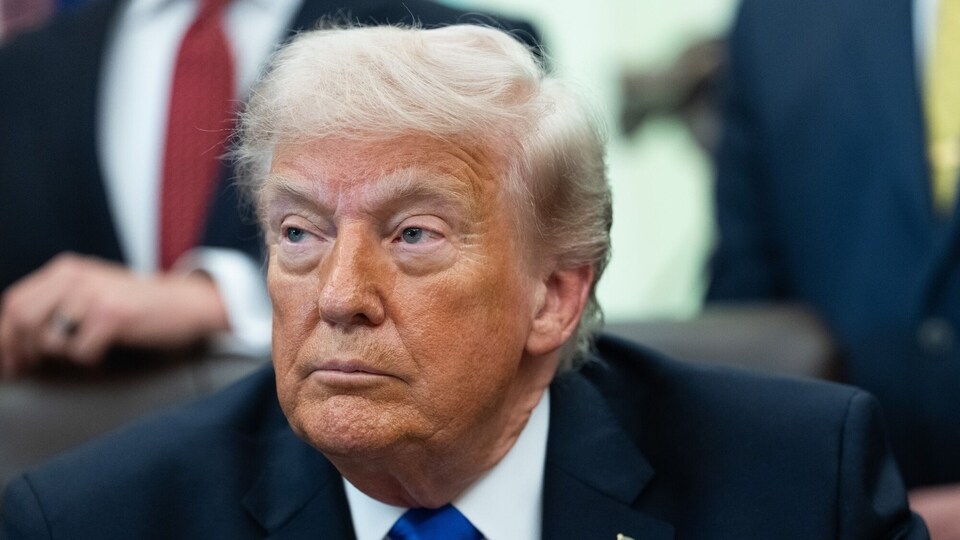
"For War Powers Resolution purposes, the hostilities that began on Saturday, February 28, have terminated," news agency Reuters reported citing an official, who was describing the administration's thinking.
The official further argued that there has been no exchange of fire between the US military and Tehran since the ceasefire took effect on April 7, a truce that has since been extended.
This new interpretation, officials say, could allow the White House to bypass the need for congressional approval for continued military engagement.
Trump’s war powers clock
The claim builds on arguments made by secretary of war Pete Hegseth during testimony before the Senate earlier on Thursday. He said the ceasefire had effectively paused the war, and with it, the legal timeline under the War Powers Resolution.
Under the 1973 law, the president has 60 days to conduct military operations without congressional approval, after which they must either seek authorisation, withdraw forces, or request a 30-day extension citing “unavoidable military necessity.”
The conflict began on February 28 with coordinated airstrikes by America and Israel on Iran. US President Donald Trump notified Congress after 48 hours of the strikes, triggering the 60-day deadline under the War Powers Resolution, which is set to expire on May 1.
Hegseth told lawmakers it was the administration’s “understanding” that the 60-day clock stopped during the ceasefire. However, critics were quick to challenge that reading.
Democrats push back, Republicans divided
Sen. Tim Kaine, who questioned Hegseth during the hearing, later said the defence secretary “advanced a very novel argument that I've never heard before” and that it “certainly has no legal support.”
Democrats have consistently pressed the administration to seek formal approval from Congress. The looming 60-day mark was also seen as a potential inflection point for some Republicans who had supported initial strikes but wanted legislative oversight for any prolonged conflict.
Sen. Susan Collins said, “That deadline is not a suggestion; it is a requirement,” after voting in favour of a measure to end military action lacking congressional approval. She added that “further military action against Iran must have a clear mission, achievable goals, and a defined strategy for bringing the conflict to a close.”
Ceasefire holds, tensions still high
Despite the pause in direct hostilities, the situation on the ground remains tense. Iran continues to exert control over the Strait of Hormuz, a critical global transit route, while the US Navy has maintained a blockade aimed at preventing Iranian oil tankers from reaching open waters.
The conflict itself began on February 28, when the United States and Israel launched coordinated airstrikes on Iran. President Donald Trump formally notified Congress within 48 hours, triggering the 60-day countdown under the War Powers framework.
Iran retaliated with strikes targeting Israel and Gulf states hosting American bases. The broader conflict, including Israeli operations in Lebanon, has left thousands dead and millions displaced.
Proposal for new mission framework
Amid the legal and political debate, some former officials have suggested a workaround. Richard Goldberg, who served on the national security council during Trump’s first term, has proposed transitioning to a new operation—potentially named “Epic Passage”—as a follow-up to earlier military efforts.
He said such a mission “would inherently be a mission of self-defense focused on reopening the strait while reserving the right to offensive action in support of restoring freedom of navigation.” According to Goldberg, “that to me solves it all.”
(With AP, Reuters inputs)