E-Paper


Winter weather predictions: Super El Niño builds as Polar Vortex warning emerges for US, Europe winter
Forecasts for winter 2026/2027 indicate increased volatility due to a Super El Niño, shifting winds, and declining Arctic sea ice.

 Prefer HTon Google


Early winter weather predictions for 2026/2027 are pointing towards a potentially more active and unpredictable season, as a strong Super El Niño event, shifting atmospheric winds and declining Arctic sea ice raise concerns about a possible Polar Vortex disruption.
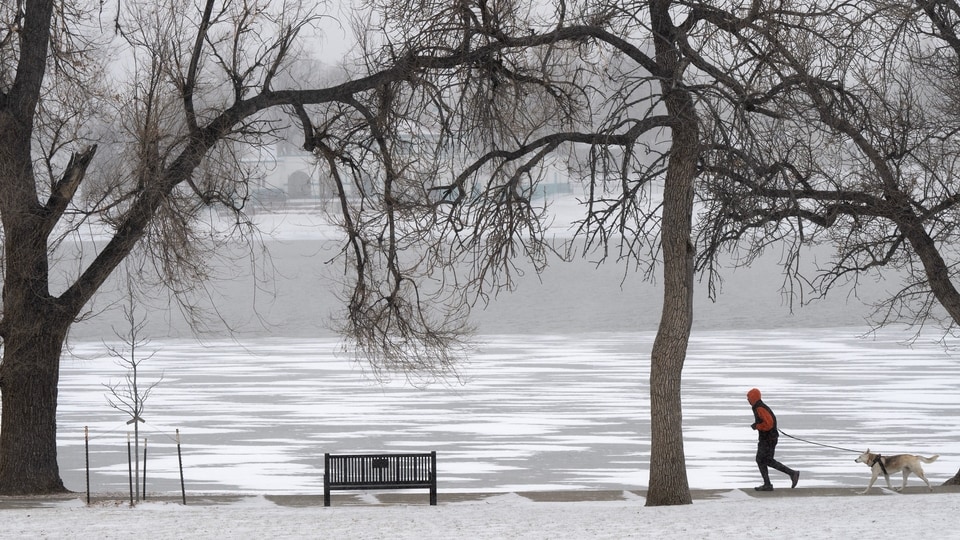
Long-range weather models are showing early warning signs that the Polar Vortex, the large circulation of cold air above the Arctic, could weaken during the heart of winter, particularly around January 2027. A disrupted Polar Vortex does not guarantee extreme cold or snowfall everywhere, but it can increase the chances of Arctic air moving south into parts of the United States, Canada and Europe.
According to Severe Weather Europe, three major factors are currently being monitored for their potential impact on the 2026/2027 winter pattern: a developing Super El Niño, the Quasi-Biennial Oscillation (QBO) in the stratosphere, and unusually low Arctic sea ice levels.
Super El Niño raises Polar Vortex disruption concerns
The strongest signal comes from the developing El Niño event in the Pacific Ocean. Forecast models indicate that ocean temperatures in the tropical Pacific could rise more than 2 degrees Celsius above average, reaching levels associated with a Super El Niño.
El Niño events can influence global weather patterns by changing atmospheric pressure systems and the movement of jet streams. Historically, strong El Niño winters have been linked with a higher likelihood of Sudden Stratospheric Warming (SSW) events: sudden temperature rises high in the atmosphere that can weaken or disrupt the Polar Vortex.
Also Read: The lingering impact of a ‘super’ El Niño: Largest heat effect may still lie ahead
A weaker Polar Vortex can allow cold Arctic air to escape toward lower latitudes, potentially increasing the risk of colder periods in parts of North America and Europe.
QBO winds could influence winter outcome
Another atmospheric factor being tracked is the Quasi-Biennial Oscillation, or QBO, a natural cycle of changing wind directions in the tropical stratosphere.
Current observations indicate a westerly QBO phase, which generally supports a stronger and more stable Polar Vortex. However, experts note that during a powerful El Niño event, the influence of the QBO may be reduced as stronger atmospheric waves from the Pacific interact with the polar circulation.
This creates a more complicated winter setup, where the Polar Vortex may remain stable early in the season before becoming vulnerable to disruption later.
Arctic sea ice loss adds another warning signal
Declining Arctic sea ice is also emerging as a factor in winter forecasts. Scientists have linked low sea ice levels, particularly in the Barents-Kara Sea region, with atmospheric changes that can weaken the Polar Vortex.
When Arctic ice levels are lower than normal, changes in heat exchange between the ocean and atmosphere can influence large-scale pressure patterns and wave activity, potentially affecting the stratospheric circulation above.
Also Read: Could Super El Niño make food more expensive worldwide? Global supply shock explained
What a Polar Vortex collapse could mean
A major Polar Vortex disruption does not automatically mean a harsh winter for every region. However, if a collapse occurs, it can disturb the jet stream and allow colder Arctic air to move south.
Previous Polar Vortex disruptions have been associated with colder-than-average temperatures and increased snowfall across parts of the US, Canada and Europe.
For now, forecasters say the Winter 2026/2027 outlook remains uncertain, but the combination of Super El Niño, atmospheric wind patterns and Arctic changes has created early signals of a potentially volatile winter season.