
 E-Paper



US unveils strategy to counter rising China
India-US partnership is a crucial part of the centrality of the Indo-Pacific region including through multi-lateral cooperation such as Quad.


The US has initiated major steps to better address the security challenge from China, which has been called the “number one pacing challenge”, including steps to “streamline and strengthen” cooperation with allies especially in the Indo-Pacific.
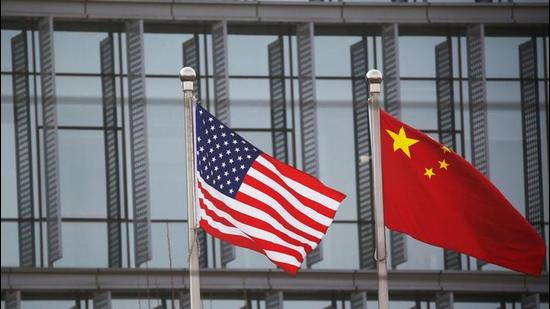
Secretary of defence Lloyd Austin announced these initiatives on Wednesday, based on the recommendations of the China Task Force, which was announced by President Joe Biden in February to provide a “baseline assessment” of existing steps and measures and to chalk up priorities.
Based on the recommendations, most of which will remain classified, secretary Austin issued a directive initiating several major department-wide efforts to better address the security challenges posed by China as the United States’ “number one pacing challenge”, said the Pentagon.
These measures are designed and intended to “focus processes and procedures and better help department leaders contribute to whole-of-government efforts to address the challenge from China”. They were developed through inter-agency consultations involving the agencies and departments working on China.
“Many are intended to streamline and strengthen cooperation with US allies and partners, particularly in the Indo-Pacific,” the defence department said.
India-US cooperation and partnership is a crucial part of the increasing centrality of the Indo-Pacific region for America, and through bilateral efforts and those with multi-lateral cooperation such as the Quad, the Quadrilateral Security Dialogue, with Japan and Australia.
“The initiatives I am putting forward today are nested inside the larger US government approach to China and will help inform the development of the national defence strategy we are working on,” said secretary Austin. The four-year review and update of the national defence strategy is currently under way, as required by US Congress.
“The efforts I am directing today will improve the department’s ability to revitalise our network of allies and partners, bolster deterrence, and accelerate the development of new operational concepts, emerging capabilities, future force posture, and a modernised civilian and military workforce,” he added.
The statement said many of the initiatives will remain classified, but among those they mentioned, will one that establishes secretary Austin’s “intent to directly oversee the department of defence’s China-related policies, operations, and intelligence as the task force’s recommendations are incorporated into ongoing reviews and department-wide processes”.
Biden had announced the task force just weeks after his inauguration as the world looked for clues to the new American president’s thinking on China. It was tasked with two specific aims: “to conduct a baseline assessment of China-related programmes, policies, and processes at the department of defence; and to provide the secretary with a set of top priorities and recommended courses of action for the department”.
The task force delivered their initial assessment to the defence secretary in April, and then the full set of recommendations.


