
 E-Paper



‘Troops handicapped’: On Balochistan, Pak blames topography, drags India’s name again as over 250 killed
In light of recent deadly violence in Balochistan, Pakistan's government has stressed the need for troop deployment citing vastness of the province.

 Prefer HTon Google


Tensions in Pakistan's restive Balochistan continue with the government calling for the need to deploy large number of troops amid the security situation in the province with vast and mountainous topography.
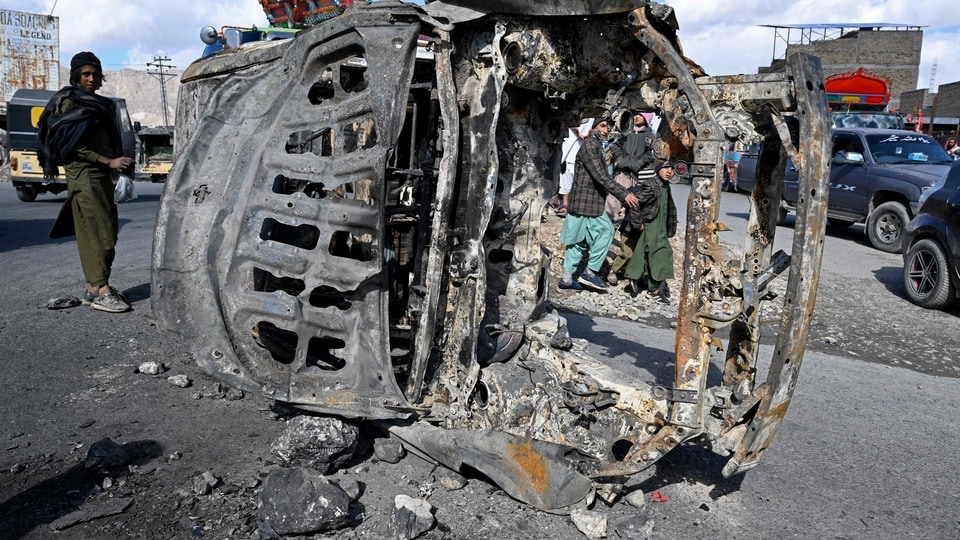
The Pakistan government's remarks come as its security forces reportedly lost 22 personnel and 36 civilians also died in fighting with the militants in Balochistan. Pakistan's security forces have killed almost 200 separatist insurgents Balochistan since they launched a wave of attacks over the weekend, AFP news agency quoted a security official as sayung on Wednesday, taking the overall death toll past 250.
Officials said the counter terror operation was launched after militants belonging to ethnic Baloch groups carried out a series of attacks at several locations on Saturday.
Balochistan, bordering Iran and Afghanistan, is home to a long-running violent insurgency. Baloch insurgent groups have previously carried out several attacks targeting the $60 billion CPEC projects.
In 2025, the banned Baloch Liberation Army (BLA) claimed responsibility for the March hijacking of the Jaffar Express train travelling from Quetta to Peshawar, killing 31 civilians and security personnel and holding hostage over 300 passengers.
Pakistan defence minister's big remark
Pakistan's defence minister Khawaja Asif on Monday said that the government needed to deploy large numbers of troops in Balochistan due to the province's vast geography.
Addressing the National Assembly, Asif said that the troops battling rebels were handicapped by the vastness of the region.
"Balochistan constitutes over 40 per cent of Pakistan geographically...To control it is much more difficult than a populated city, and it needs deployment of massive forces. Our troops are deployed there and are in action against them (terrorists), but they are physically handicapped by guarding and patrolling such a big area," PTI news agency quoted Asif as saying.
Speaking on the alleged nexus between criminals and militants, Asif said that criminal gangs were operating under the banner of the banned Baloch Liberation Army (BLA), which protects smugglers.
"In Balochistan, tribal elders, the bureaucracy and those running separatist movements have formed a nexus," he said.
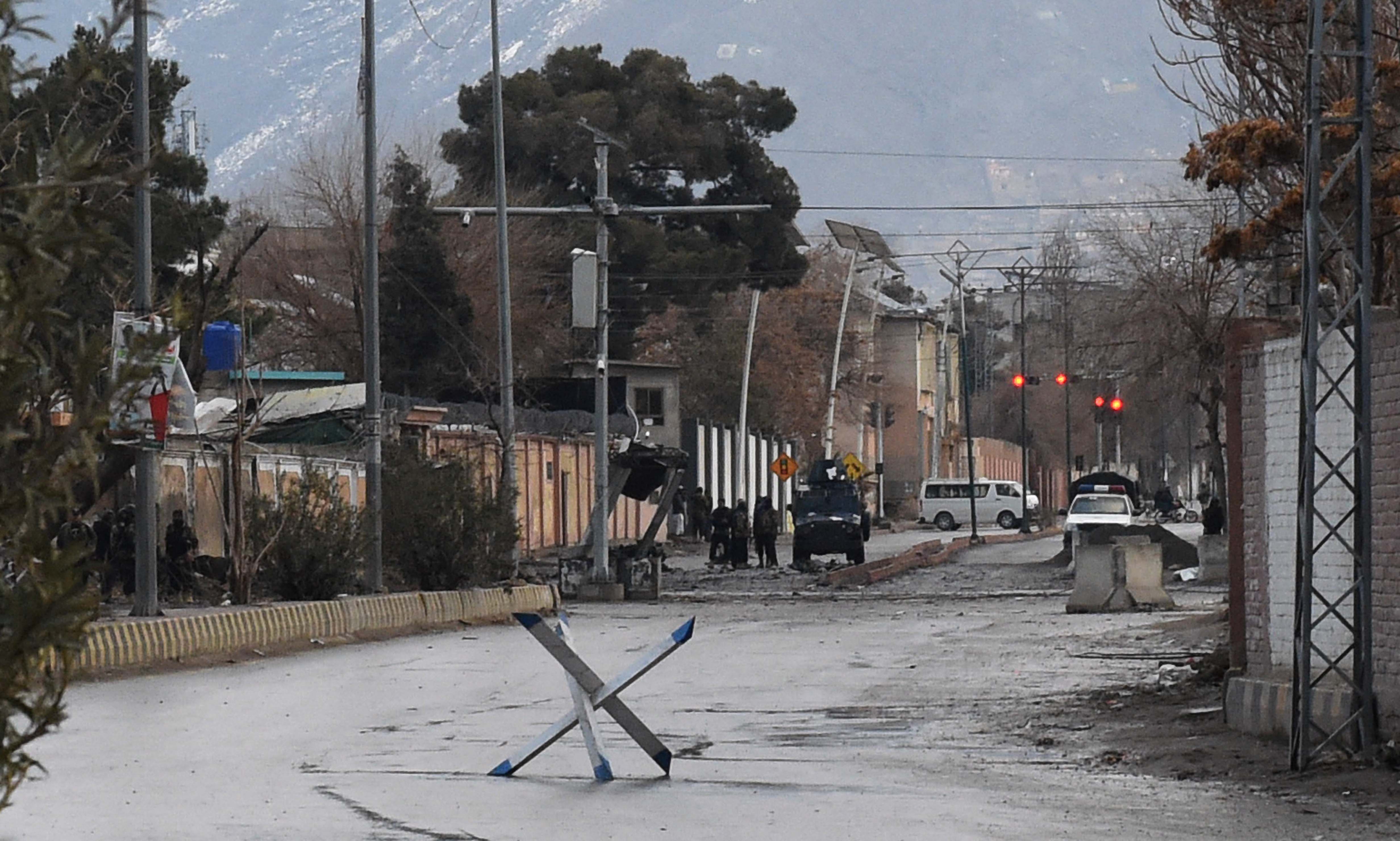
The defence minister said the smugglers were previously earning up to PKRs 4 billion a day from oil smuggling.
Asif argued that rationalising violence or “dressing it up as freedom movement” was not acceptable, emphasising that the government was committed to eliminating terrorism.
"When you try to rationalise violence or dress it up as a freedom movement, it is not acceptable because it is not true. This is a cover to legitimise criminal activities," he said.
Anti-India rhetoric replayed
Asif replayed Pakistan government's anti-India rhetoric claiming without evidence that elements elements supported by India were operating as "proxies" in Balochistan, adding that Afghan soil was also used in fanning the flames of terrorism in the province.
"The terrorists' leadership is based in Afghanistan, and they receive support from there," he said.
This comes two days after India rejected allegations by Pakistan’s civilian and military authorities linking New Delhi to the series of attacks in Balochistan, and this was part of the usual tactics to deflect attention from Islamabad’s internal failings.
Following the weekend attacks in Balochistan, Pakistan’s interior minister Mohsin Naqvi alleged that India was behind the coordinated assaults in the southwestern province.
The Pakistani military’s media arm claimed the attacks were launched by “Indian sponsored Fitna al Hindustan,” a term the army uses for the BLA.
External affairs ministry spokesperson Randhir Jaiswal responded to the comments from the Pakistani side by saying: “We categorically reject the baseless allegations made by Pakistan, which are nothing but its usual tactics to deflect attention from its own internal failings.
“Instead of parroting frivolous claims each time there is a violent incident, it would do better to focus on addressing long-standing demands of its people in the region,” he said, referring to demands from the people of Balochistan for greater autonomy and control over the exploitation of the province’s natural resources, including gas and minerals.
Pakistan’s “record of suppression, brutality and violation of human rights is well known”, Jaiswal said.


