Iranians who have weathered more than a month of war are bracing for things to get worse if President Trump acts on his threat to escalate attacks on civilian infrastructure.
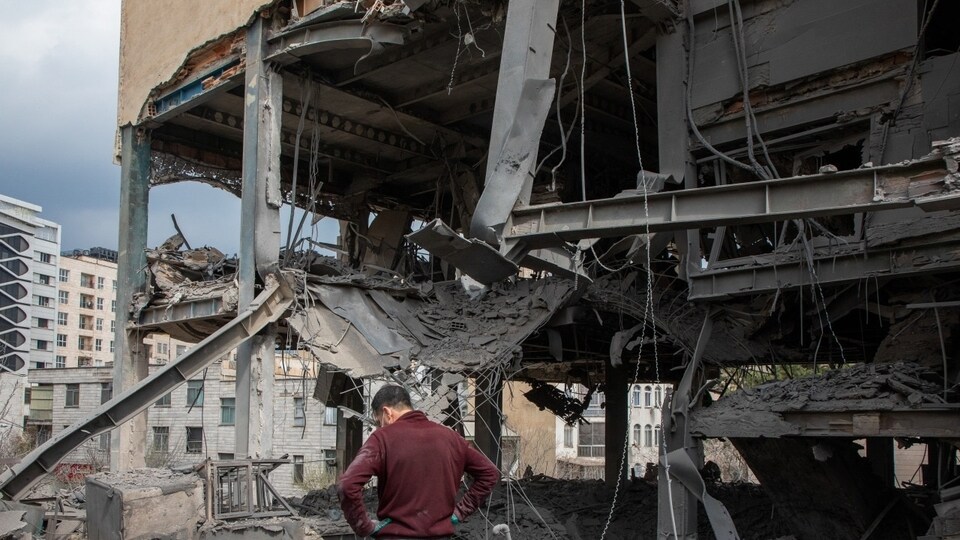
A building hit by a U.S.-Israeli strike on a commercial district in Tehran late last month.
Families in Tehran are taping up their windows and sleeping together in rooms away from the glass. Their buildings have already been shaken by nightly explosions from the most sustained bombing in the capital since the eight years of the Iran-Iraq war. Some are rushing to buy generators, concerned that new attacks could cause critical services like electricity and water to unravel.
The bombings and threats have left many Iranians living in fear not only of their own government, which killed thousands of people in a crackdown on protesters early this year, but their would-be American rescuers, who pledged at the beginning of the war to create the conditions for their government to fall.
A 43-year-old woman living in Tehran and undergoing treatment for breast cancer said she worried what intensified attacks on infrastructure could mean for her healthcare.
“Trump had said that help was on the way for the people of Iran,” she said, “but the prolongation of the war and the destruction of infrastructure, universities, pharmaceutical companies, et cetera, has made us very worried.”
In an interview with The Wall Street Journal on Sunday, Trump said that Iran would take 20 years to recover from the damage done by the U.S. and Israel during the war and threatened to destroy all of the country’s power plants and bridges if it didn’t agree by Tuesday evening to open the Strait of Hormuz.
At a news conference Monday, Trump said the Iranian people would back strikes on power plants if it meant that they could be free of the country’s hard-line regime. “They would be willing to suffer that in order to have freedom,” Trump said.
Iranians reached by the Journal, however, expressed more fear than hope. “We have been punished enough,” the cancer patient said.
A 38-year-old man from Tehran said he has built up a survival kit of canned goods, water, power banks and rechargeable emergency lights just in case. He fueled up his car and was contemplating a run to the north of Tehran.
If critical infrastructure is damaged, he asked, how long can we really last?
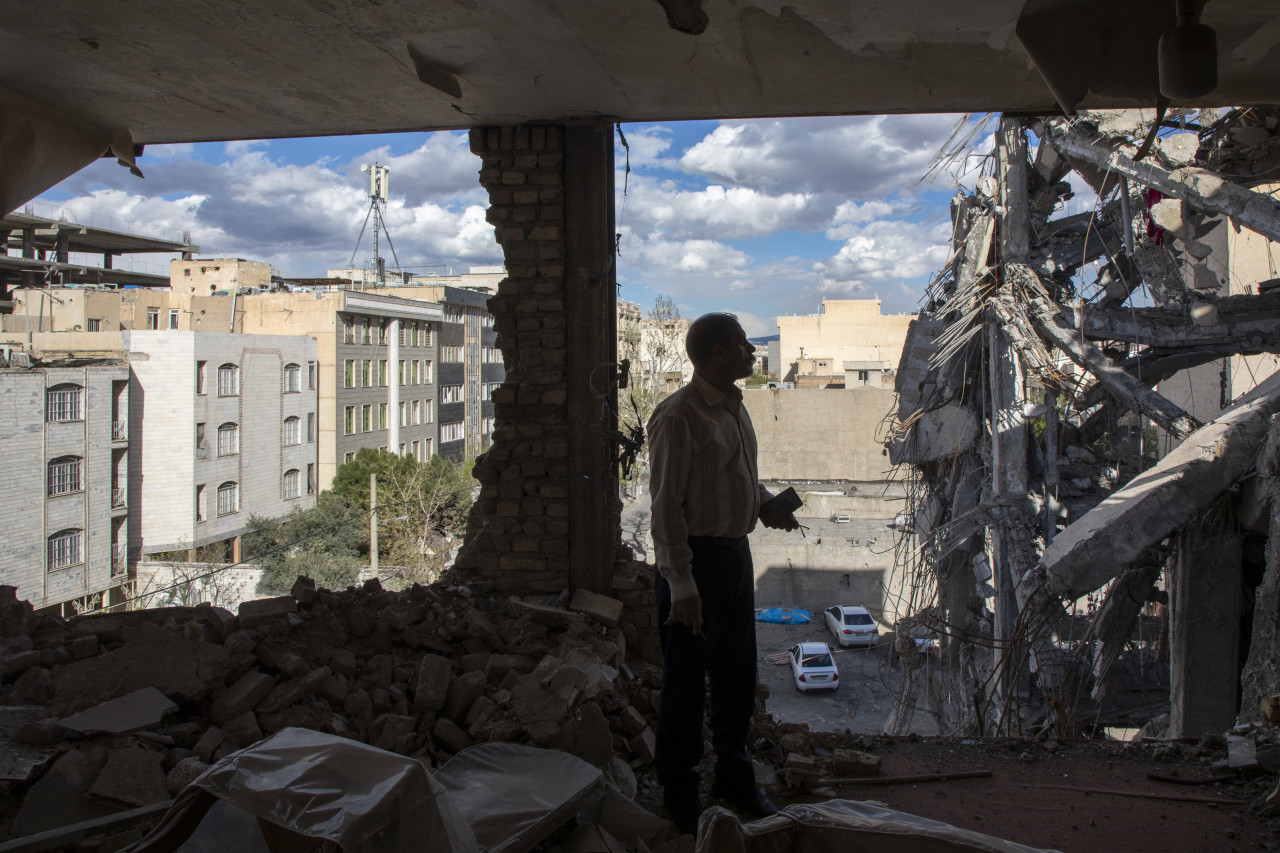
A building destroyed in a joint U.S.-Israeli attack on Tehran.
Iran entered the war in the grip of a severe economic crisis and with anger at the government running high. A collapsing currency and spiraling inflation brought on by years of sanctions and government mismanagement sparked protests. The violent suppression of the uprising left even more people angry with the government.
Many welcomed the war when it started. The regime’s survival, despite more than 20,000 strikes by the U.S. and Israel, and the damage done by those strikes have changed many Iranians’ minds.
Many people fear the regime will emerge from the attacks hardened and embittered. One man from Tehran said others worry Trump’s threatened strikes could push it to collapse and leave Iran a failed state.
Iraq launched attacks on the Tehran during the Iran-Iraq war of the 1980s, but that was primarily a land war fought far from the capital. Last year’s offensive by Israel lasted 12 days.
Iran’s government has shut down internet access, so most Iranians have no big picture of the war. The Tehran residents interviewed for this article are among a small minority who gained access to the internet using VPNs.
They said most of the airstrikes appear to have targeted military, security and government installations. The problem is ordinary residents of the capital have no way of knowing where every single government building is or where officials who might be targets of airstrikes actually live.
Another woman from Tehran said she leapt out of bed when she heard an explosion at 5:55 a.m. one morning last week. She looked out her window later and could see smoke rising nearby. She got on her phone and shot messages to relatives and friends to let them know she was safe.
She lives close to buildings housing security institutions, including a complex for the Islamic Revolutionary Guard Corps, the powerful military and economic force that cracked down on the protests and is largely fighting the war.
The strikes happen almost every night. An earlier strike ripped the door of her building from its hinges. She researched different types of munitions and worked out how far the blast radius of large American-made bombs might extend. Her building was close but safe from the blasts, she decided.
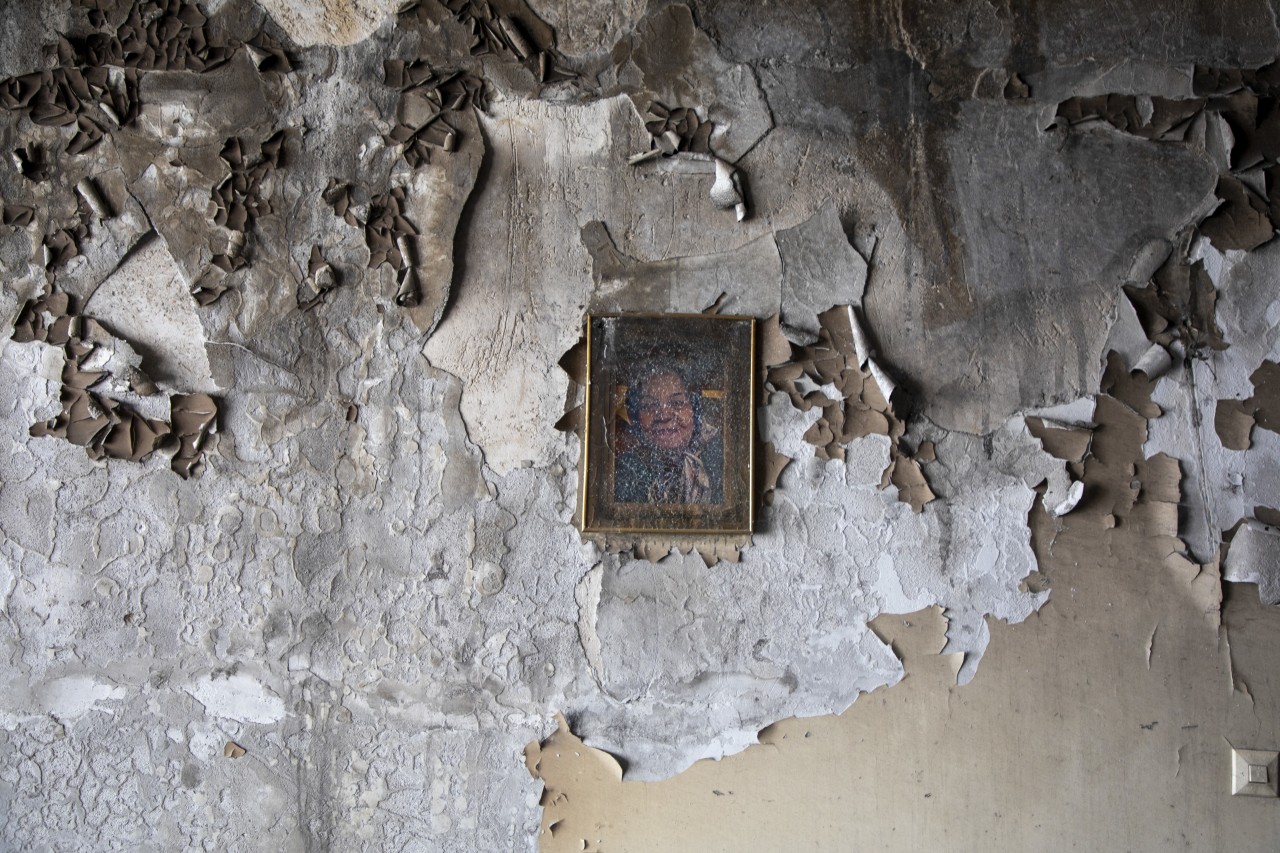
A picture hanging on a wall in a destroyed building in Tehran.
“It’s mostly the sudden noise and shaking that really bothers you,” she said.
She walked one morning to one of the buildings that was hit, a large residential complex next to a Revolutionary Guard building. The service staff told her that the building was empty and that no one had been killed, but some passersby had been hurt. She said she realized that many times in the war the casualties were pedestrians.
The building itself had collapsed. The windows of adjacent buildings had shattered. She tried taking photos of a collapsed building, but they didn’t convey the full effect.
Iranians who have left the country, she said, can’t fully understand what people inside the country are living through.
“They don’t experience the reality we do,” she said. “The sounds we’re in the middle of, the smells, the atmosphere, the feeling of the air on your skin.”
Get the latest World News, breaking headlines and global updates from the US, UK, Pakistan, Bangladesh, Russia and other countries. Follow major international events on Hindustan Times.
Home/World News/‘We Have Been Punished Enough’: Iranians Fear Trump’s Threatened Escalation

 E-Paper