
 E-Paper



What is ‘Kailasa’, fugitive godman Nithyananda's fake nation under probe?
At least 20 people associated with Kailasa were reportedly arrested last week in connection with the land-grabbing charges.

 Prefer HTon Google


The Bolivian administration reportedly accused the representatives of Kailasa, the 'fake' Hindu nation founded by self-styled fugitive godman Nithyanand, of 'land trafficking after they negotiated 1,000-year leases with indigenous groups for swathes of the Amazon.
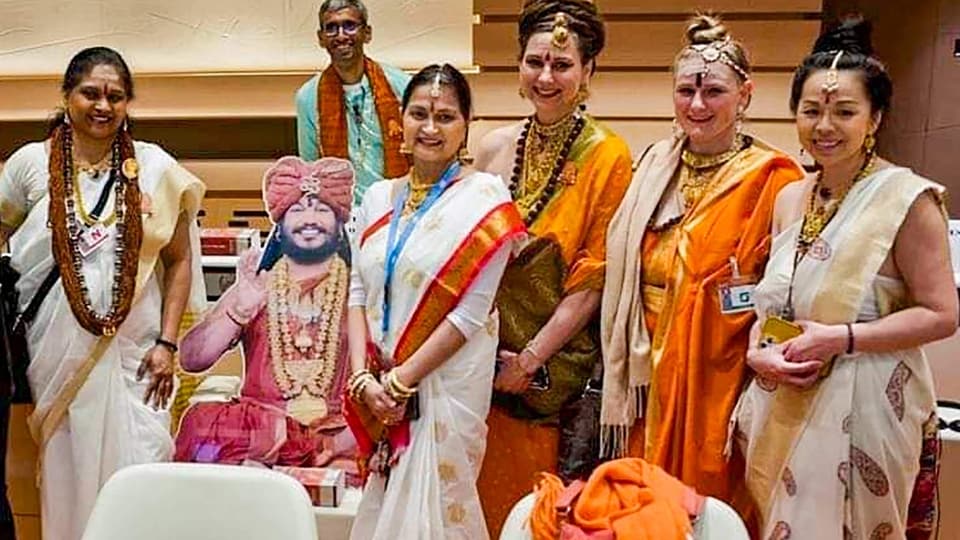
At least 20 people associated with Kailasa were arrested last week in connection with the land-grabbing charges, the New York Times reported, quoting Bolivian officials.
In March 2025, the Bolivian government declared the agreements void and several Kailasans were deported to their actual home countries, among them India, the United States, Sweden, and China.
Also Read | How Nithyananda’s ‘Kailasa’ members grabbed land of indigenous groups in Bolivia, report details
As Nithyananda's so-called self-created country makes headlines again, here are five facts about the ‘United States of Kailasa’.
- The United States of Kailasa was set up by fugitive Nithyananda in 2019 on an island off Ecuador in South America. He declared it the 'world's greatest and purest Hindu nation'.
- Nithyananda's Kailasa claimed it to be a sovereign entity with its own flag, constitution, economic system, passport, and emblem.
- According to its official website, 'Kailasa' is a movement ''founded and spearheaded by members of the Hindu Adi Shaivite minority community from Canada, the United States and other countries and is created for and offers a safe haven to all the world's practicing, aspiring or persecuted Hindus, irrespective of race, gender, sect, caste, or creed, where they can peacefully live and express their spirituality, arts, and culture free from denigration, interference and violence''
- In 2023, Kailasa duped the city of Newark in New Jersey into becoming a "Sister City" with the fake Hindu nation. Mayor Ras Baraka invited representatives of Kailasa to Newark City Hall for a "cultural trade agreement," but later, Kailasa was not a real country.
- It was later found that the United States of Kailasa had signed a “cultural partnership” with over 30 American cities. Irrespective of the country's claim, Kailasa is not recognised by the UN and its human rights office declared that any submissions made by representatives of the so-called "United States of Kailasa were "irrelevant."


