E-Paper



Where is Mojtaba Khamenei? CIA, Mossad continue search for Iran's Supreme Leader
Intelligence agencies, including the CIA and Mossad, have been monitoring developments closely.

 Prefer HTon Google


Iran’s Supreme Leader, Ayatollah Mojtaba Khamenei, has not been seen in public since taking over after his father’s assassination at the start of the war. He was appointed as the supreme leader on March 9.
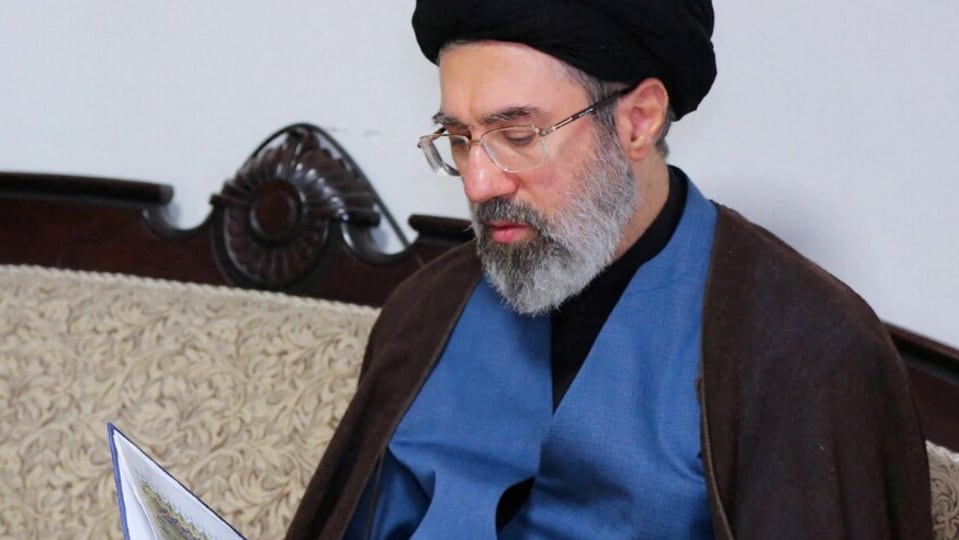
The timing of the Persian New Year, Nowruz, intensified the mystery surrounding him. Traditionally, a message or public address from Iran’s Supreme Leader is expected during the holiday, but this year, Mojtaba’s communication was limited to a written statement published on his Telegram channel, accompanied by a selection of photographs.
The absence of a live appearance or recorded video fueled speculation about his health and safety.
Also read | ‘Enemy has been defeated’: What Iran Supreme Leader Mojtaba Khamenei said in his first Eid message
Intelligence agencies, including the CIA and Mossad, have been monitoring developments closely. Iranian authorities have attempted to arrange meetings with Mojtaba, suggesting he is alive, yet there is no concrete evidence that he is actively directing the country’s affairs.
“We have no evidence that he (Mojtaba) is really the one giving orders,” an Israeli officer told Axios.
Despite the uncertainty, there is no indication that he is incapable of fulfilling his duties, though his ability to exercise authority fully could be limited by his condition. Experts suggest that Mojtaba’s absence from public view is likely due to safety concerns, Axios reported.
Also read | How the son of Iran’s Supreme Leader built a global property empire
Mojtaba Khamenei delivered a defiant Eid al-Fitr and Nowruz message on Friday. In the written statement, read on state television, he dismissed US-Israeli strikes as a failed attempt to destabilize the country, even as the war enters its third week.
‘Illusion’ of regime change
Khamenei pushed back strongly against US and Israeli objectives, saying their strategy was flawed from the outset. He said the attacks were based on an illusion that killing top leaders could trigger the collapse of the system, asserting instead that public unity had strengthened the state.
“This war took place with the illusion that if they martyred the head of the system and a number of influential military figures, it would create fear and despair in people, and in this way, it would realize the dream of dominating Iran and then disintegrating it,” he said.
Three wars in one year
Framing the conflict in phases, Khamenei said: “In the past year, our people have experienced three military and security wars.”
On the first phase, he said: “The first war was the June war, when the Zionist enemy, with the special help of the United States and in the midst of negotiations, martyred about 1,000 of our fellow citizens.”
He added that expectations of internal unrest did not materialize: “During the first war in June, the enemy thought it would be the people who would overthrow the Islamic system. But with people’s vigilance and the unparalleled bravery of Islam’s fighters, indications of desperation appeared in them, and it saved itself through mediation and cessation of fighting.”