
 E-Paper



White House cancels updated FDA guidelines on Covid-19 vaccine approval: What it means
Drugmaker Pfizer has suggested it could have data on the safety and effectiveness of its vaccine before Election Day and a number of variables would still have to align for the company to submit, and the FDA to review and approve, a vaccine application before November 3.


The White House has blocked new Food and Drug Administration (FDA) guidelines on bringing potential vaccines for Covid-19 to market.
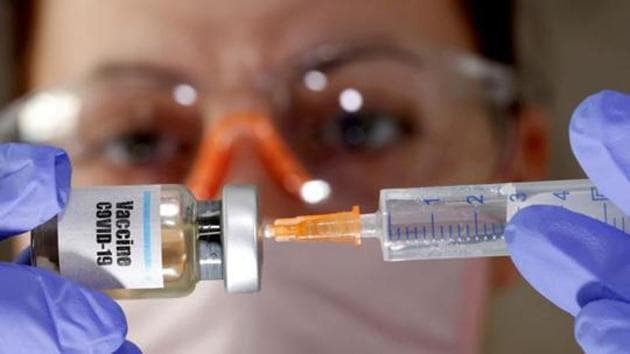
News agency Associated Press quoted a senior Trump administration official as saying that the White House believed there was no “clinical or medical reason” for the additional requirement.
What the move means?
The intervention by Trump officials is the latest example of the administration undercutting its own medical experts working to combat the coronavirus pandemic that has killed more than 210,000 Americans. US President Donald Trump has repeatedly insisted that a vaccine could be authorised before election day, even though top government scientists working on the administration’s vaccine effort have stated that the timeline is very unlikely.
Last week, seven former FDA commissioners blasted the administration for “undermining the credibility” of the FDA in a Washington Post op-ed and called for the release of the pending vaccine guidelines. The former FDA chiefs warned that public perceptions that a vaccine was rushed out for political reasons could derail efforts to vaccinate millions of Americans.
Drugmaker Pfizer has suggested it could have data on the safety and effectiveness of its vaccine before Election Day and a number of variables would still have to align for the company to submit, and the FDA to review and approve, a vaccine application before November 3.
Additionally, FDA scientists have been discussing the contents of the guidelines publicly for weeks and have made clear that the recommendations have already been shared with each of the vaccine developers.
The FDA released its initial expectations for Covid-19 vaccines in June. Among other metrics, the agency said any vaccine would have to be at least 50% protective against the virus. But the guidelines didn’t spell out the conditions under which the FDA would use its emergency authorization powers to speed up the availability of a vaccine. Under emergency review, medical products face a lower standard that merely requires that their expected benefits outweigh their risks for use during a public health crisis.
The lack of specifics around using the emergency authorisation for a vaccine became a flashpoint for outside experts, physicians and even politicians. FDA officials then began drafting a second guidance document with additional details.
The FDA has faced criticism for allowing emergency use of some Covid-19 treatments backed by little evidence, but FDA officials have made clear that vaccines would face additional standards.
But Donald Trump made clear last month that he was skeptical of any regulatory changes that might delay a vaccine’s authorisation, even if those changes are aimed at increasing public trust.
“I think that was a political move more than anything else,” he said then, arguing that that the companies testing the vaccines, such as Pfizer, Johnson & Johnson and Moderna, are capable of determining whether they work. “I have tremendous trust in these massive companies,” he said.
(With inputs from agencies)


