
 E-Paper



Who was Raila Odinga, Kenya's ex-PM who died in India: 5 election losses, yet a big name in Africa
Odinga was born to Kenya’s first vice-president Jaramogi Oginga Odinga; carried his political legacy ahead

 Prefer HTon Google


Kenya’s longtime opposition leader and former prime minister Raila Odinga has died at the age of 80 while on a health visit to India, local police said Wednesday. His death was confirmed by the Devamatha Hospital in Kerala, where he was taken after he collapsed during a walk.
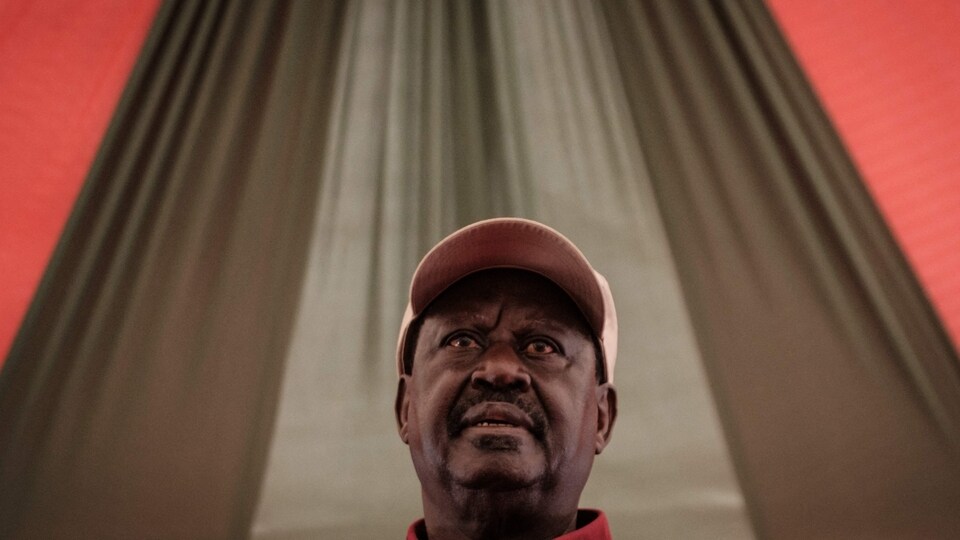
Odinga's death has shocked many in the East African nation’s political landscape.
A towering figure in Kenyan politics, Odinga ran for president five times, in 1997, 2007, 2013, 2017, and 2022, but never won, despite coming agonisingly close on several occasions.
Electoral loss and ethnic violence for Odinga
Odinga's 2007 loss to then-president Mwai Kibaki, in an election marred by allegations of fraud and ethnic violence that killed over 1,100 people, marked one of the most turbulent chapters in Kenya’s history.
Affectionately called “Baba” (father) by supporters, Odinga was a symbol of Kenya’s democratic struggle.
He was instrumental in dismantling single-party rule under Daniel arap Moi and ushering in a multiparty system.
In 2017, Odinga rejected the presidential election result as “null and void” after he was declared to have lost.
Who is Odinga?
Born on January 7, 1945, to Kenya’s first vice president Jaramogi Oginga Odinga, he carried forward his family’s political legacy while carving his own path as a fiery reformist and populist leader.
Indian police said Odinga collapsed suddenly while walking with family members and a doctor at an Ayurvedic clinic in Kerala.
“He was rushed to a nearby private hospital but was declared dead,” said police superintendent Krishnan M.
Odinga was an anti-establishment firebrand leader despite belonging to one of Kenya's top political dynasties.
His father served as the first vice president after independence in 1963.
Grief and unrest back home
Back home, news of his death sparked grief and unrest. President William Ruto visited Odinga’s family home in Nairobi as supporters wailed outside.
In Kibera, his Nairobi stronghold, reports emerged of looting, while mourners in Kisumu — his home region in western Kenya — blocked roads in anguish.
Odinga had recently surprised many by forming a political pact with President Ruto, allowing his party members to join the cabinet and shape key policies.
Tributes poured in from across Africa
Yet his enduring ambition was to lead the nation, a goal that eluded him for over three decades.
Tributes poured in from across Africa.
Ethiopia’s Prime Minister Abiy Ahmed hailed him as a “patriot and democrat,” while Djibouti’s President Ismail Omar Guelleh called him “a visionary leader.”
Even as age and ill health dimmed his once-fiery oratory, Odinga remained a national force — a man who, despite never reaching State House, profoundly shaped Kenya’s path toward democracy.
His death leaves a void in Kenya’s opposition politics — and uncertainty about who, if anyone, can unite the country’s divided political landscape the way “Baba” once did.


