
 E-Paper



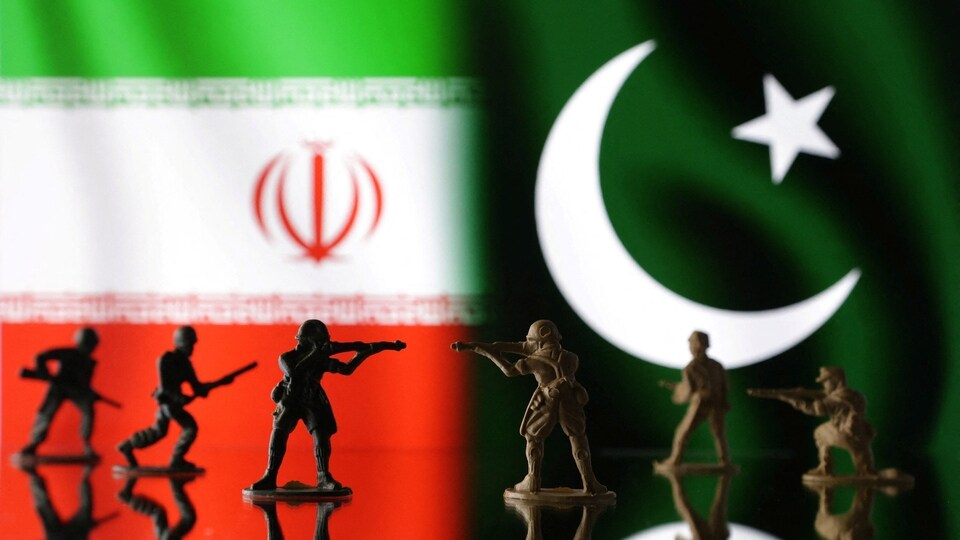
Why are Iran and Pakistan fighting, and will the conflict escalate?
The tensions between Iran and Pakistan has deepened worries about stability in the Middle East.

 Prefer HTon Google


United Nations Secretary-General Antonio Guterres on Thursday expressed deep concerns over the exchange of military strikes between Iran and Pakistan and urged both countries to exercise maximum restraint to avoid a further escalation of tensions.
He underlined that “all security concerns between the two countries must be addressed by peaceful means, through dialogue and cooperation, in accordance with the principles of sovereignty, territorial integrity, and good neighbourly relations,” according to a statement released by Stéphane Dujarric, the spokesperson for the Secretary-General.
The Iranian airstrike inside Pakistan's territory and a rapid military riposte by Islamabad have deepened worries about Middle East instability that have spread since the Israel-Hamas war erupted in October.
Why are Iran and Pakistan fighting?
Iran on Tuesday struck what it described as militant targets in southwest Pakistan, sending shockwaves around the region. Tehran alleged that the Sunni militant Jaish al-Adl group, the claimed target of its attack, has links to Islamic State and played a role in the January 3 bombing in Kerman.
Within 24 hours, Pakistan responded in kind and targeted what it said were separatist militants backing an insurgency in its restive southwestern province of Baluchistan. It was the first air strike on Iranian soil since the 1980-88 Iran-Iraq war.
While Pakistan said two children were killed in the Iranian airstrike, Tehran said nine people, including women and children, died in the retaliatory attack. Islamabad recalled its ambassador from Iran in protest and Tehran summoned Pakistan's most senior diplomat in Iran to give an explanation.
The exchange of airstrikes occurred in remote borderlands where separatist groups and Islamist militants have long carried out attacks on government targets, with officials in Pakistan and Iran often accusing each other of complicity in the bloodshed.
Read: Iran-Pakistan battle theatre: How will it impact India?
According to a Reuters report, the trigger for the flare-up was the January 3 bombing that killed nearly 100 people at a ceremony in the southeastern Iranian city of Kerman to commemorate slain commander Qassem Soleimani, who was killed by a U.S. drone in 2020. Tehran vowed revenge against Islamic State, the ultra-hardline Sunni Muslim militant group that claimed responsibility for the bombing.
A senior Iranian security official revealed that Iran provided Pakistan with evidence linking Jaish al-Adl to the Kerman attack, urging Pakistan to take action against the group, reported Reuters.
Gregory Brew, an analyst at Eurasia Group, points to domestic pressure on Iran's leadership to act in response to the growing threat of militant violence within its borders. The January 3 bombing was deemed an embarrassment, exposing vulnerabilities in Iran's security apparatus.
The Iranian strike on Pakistan aims to showcase the capabilities of Iran's security forces and issue a clear warning against any actions perceived as threats to national security.
(With inputs from agencies)


