
 E-Paper



Iran-Pakistan battle theatre: How will it impact India?
The recent escalation between Iran and Pakistan has triggered fears about more bloodshed and the impact may extend beyond the Middle East.

 Prefer HTon Google


Day after Iran carried out airstrike on Sunni terrorist group Jaish-al Adl inside Pakistan, the Pakistani Air Force claims to have carried out retaliatory strikes on alleged Baloch separatist camps inside the Iranian territory. Islamabad's foreign ministry claimed that a number of terrorists were killed during PAF's intelligence-based operation code-named ‘Marg Bar Sarmachar’.
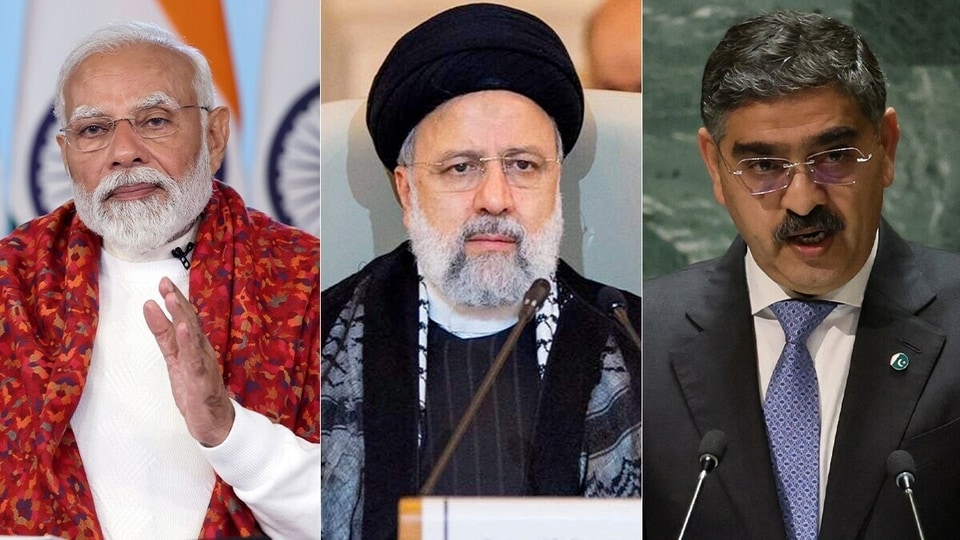
It is quite evident that there is a horizontal spread of conflagration. At present, there are two separate battle theatres, one being in Gaza and the other being Pak-Iran battle theatre on the border.
There are two events that provoked the conflagration. The first one is the October 7 Hamas attack against Israel and the second is twin bombing in Kerman in Iran on January 3 which killed 94 people and injured more than 284. The attack by Iran and the subsequent retaliation which Pakistan claims to have carried out is a fall out of the bombings in Kerman.
The Iranians are under huge pressure and have decided to retaliate. They carried out retaliatory strikes in North Syria because ISIS had claimed responsibility for attack in Kerman. The second attack was in Erbil, which Iran said it was the headquarter of Israel spy agency Mossad. The third Iranian attack was on Pakistan where this group Jaish-al-Adl has been launching cross-border raids into Sistan-Balochistan Province of Iran over the past many years.
It is evident that the Pakistanis did not know that the attack was coming. But considering the pressure within the country and general elections next month, the Pakistanis were forced to retaliate. The Iranians launched loiter amunition on Panjgur and Turbat villages. The Pakistanis have claimed to have attacked in Sarawan against what they call are Balochi fighters. It is a deadly scenario being played out and will have its ramifications.
How will US react to the conflagration?
The White House retaliated last night when the US launched missile attacks against Houthi-held defences in south Yemen. The US will retaliate but there are different layers within the game. When Indian external affairs minister S Jaishankar went to Iran, he was told that Tehran has little control over Houthis and Hamas. But the fact is that the Houthis have loiter ammunition which could not have been given by anyone else than Iran. The Hamas attacks on Israel took place as it had Iranian support. The Iranians always deny it but are considered as the main player behind the show.
How will Pak-Iran battle theatre impact India?
The reason why Iran attacked Pakistan will be explained when the Iranian national security advisor visits India either this month or early February. But Iran was at the receiving end of attacks by this terrorist group Jaish-al-Adl. In 2013, this group had abducted the Iran Revolutionary Guards during cross border raids.
On January 10 this year, they killed a lot of people in raids again. Iran had to retaliate and India's stand on cross-border terrorism is very clear. As far as India is concerned, it is virtually talking to everybody. While Prime Minister Narendra Modi spoke to Russian president Vladimir Putin, Jaishankar went to Iran and met Iranian president Ebrahim Raisi. PM Modi also met Mohammed bin Zayed of UAE. India has been talking to other players in the Middle East, and is in a position to talk to bring players to a ground where peace can be given a chance.


