E-Paper



Why did US attack Venezuela and capture Nicolás Maduro? All you need to know
In a military operation, the US captured Venezuelan President Nicolás Maduro and his wife, Cilia Flores.

 Prefer HTon Google


The United States launched a large-scale military operation in Venezuela that resulted in the capture of President Nicolás Maduro and his wife, Cilia Flores. This escalated long-running tensions between Washington and Caracas. US President Donald Trump said the operation targeted what he described as a “narco-terrorist organisation” led by Maduro.
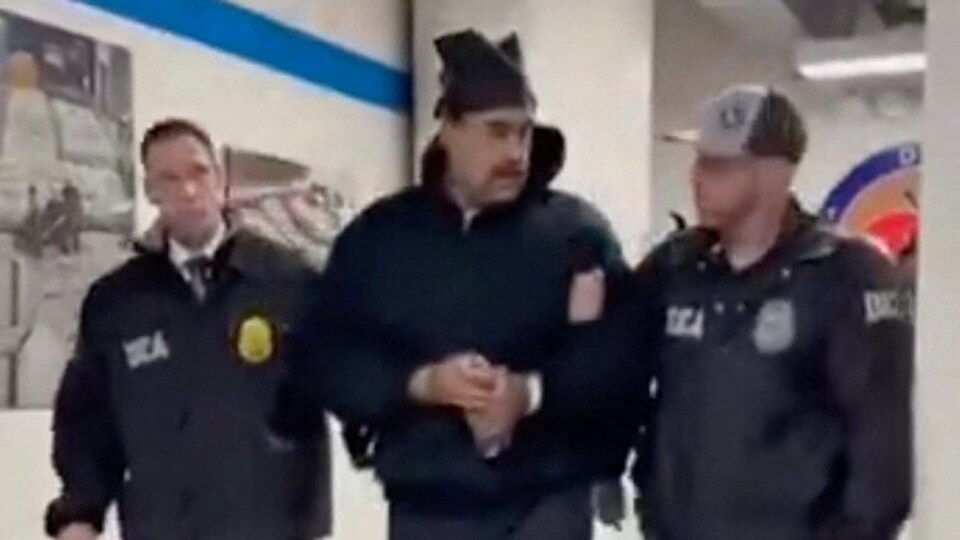
He accused the Venezuelan leader of overseeing drug trafficking networks that fuel the flow of fentanyl and cocaine into the United States. Maduro and Flores have been indicted in New York on drug and weapons charges.
US' allegations against Maduro
The Trump administration has repeatedly accused Maduro of being personally involved in international drug trafficking and of leading the Cartel de los Soles, an alleged network embedded within Venezuela’s security forces. Trump has designated the group, along with Tren de Aragua, as a foreign terrorist organisation. He previously authorised a $50 million reward for information leading to Maduro’s arrest, the BBC reported.
Also Check: Political cartoon from 2007 predicting US operation against Venezuela goes viral
Trump has also framed the operation as part of a broader effort to curb drug smuggling routes in the Caribbean.
In recent months, US forces have carried out dozens of strikes on vessels they allege were being used to traffic narcotics, with Washington citing drug-related national security threats.
Maduro has consistently denied the accusations, arguing that the US is using the “war on drugs” as a justification to remove him from power and gain control over Venezuela’s vast oil reserves.
What does the US plan next?
Following the capture, Trump said the US would “run” Venezuela “until a safe and proper and judicious transition” takes place, adding that American oil companies would move into the country.
The comments have raised concerns about regime change and long-term US involvement.
The Venezuelan government declared a national emergency, while Vice-President Delcy Rodríguez appeared poised to assume leadership, according to the BBC.
Is the operation legal?
The legality of the US action has been strongly disputed. International law experts told The Guardian that the operation likely violated Article 2(4) of the UN Charter, which prohibits the use of force against another sovereign state except in self-defence or with UN Security Council approval.
“The reality is that America is in breach of the United Nations charter,” Geoffrey Robertson KC, a former president of the UN war crimes court in Sierra Leone said, calling the action a “crime of aggression”.
Read More: Did Congress approve the US strike on Venezuela? US lawmakers speak out
Other legal experts said the US could attempt to justify the operation as self-defence against drug trafficking threats. However, they noted that international law requires evidence of an imminent armed attack, which has not been demonstrated.
While the UN Security Council has the authority to impose sanctions, experts said any action against the US is unlikely because Washington holds veto power.
As a result, accountability may depend more on diplomatic fallout than formal legal consequences.