
 E-Paper



Why the oil shock probably won’t derail the economy. And one way it might.
The U.S. is a net petroleum exporter and productivity is improving, but the bigger risk is stubborn inflation.


 Prefer HTon Google


It was an ugly week for the economy.
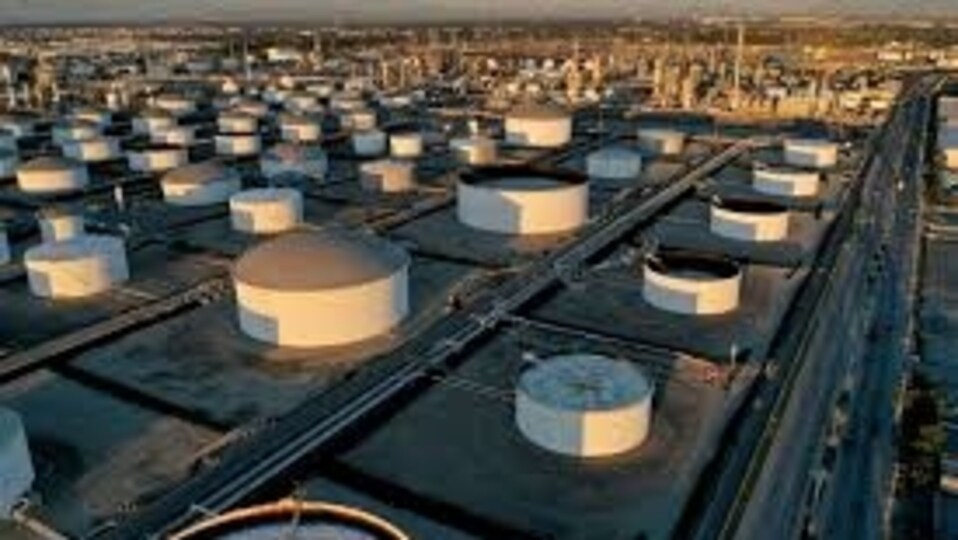
Oil prices surged 39%, all but guaranteeing inflation is about to lurch higher. And it came amid emerging signs of jobs weakness, as payrolls fell and unemployment rose in February.
Those with long memories smell stagflation—a troubling mix of stagnant growth and stubborn inflation—or worse, recession. Higher oil prices helped sink the economy in 1973, 1980, 1990 and 2008.
Odds are neither stagflation nor recession will happen. The economy has grown more resilient to oil shocks, and a productivity renaissance is under way, helped by artificial intelligence. Both should help sustain growth and cushion cost pressures.
Oil loses its bite
Higher oil prices are like a tax, cutting into household consumption while boosting inflation and interest rates.
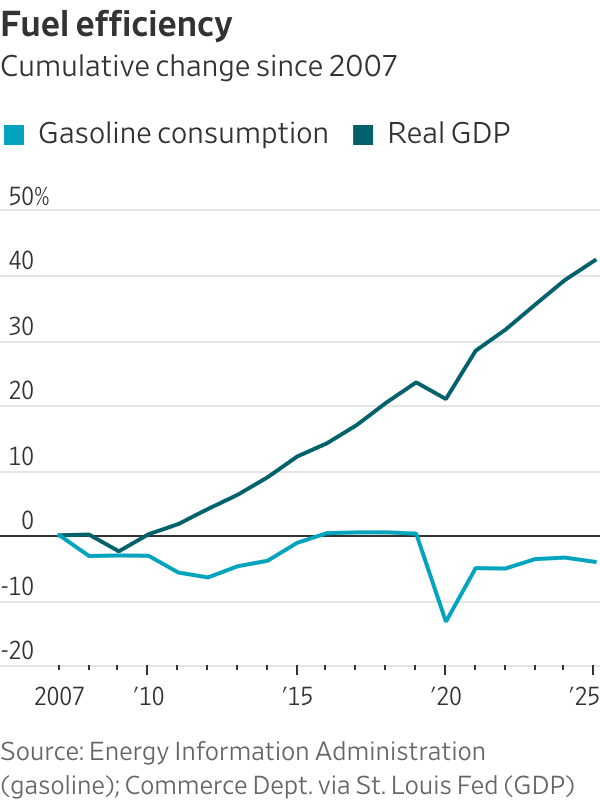
But that effect has shrunk as the U.S. became less energy dependent. The U.S. consumed 4% less gasoline in 2025 than in 2007, while producing 42% more goods and services (as measured by gross domestic product, adjusted for inflation). The share of households’ consumption of energy, including electricity, natural gas and gasoline, fell from 5.7% in 2007 to 3.7% last year.
Meanwhile, the shale revolution has turned the U.S. into a net exporter of petroleum and major exporter of liquefied natural gas. That means the hit to consumers is offset by a boost to producers.
Russia’s invasion of Ukraine in 2022, which at one point pushed up oil by $45 a barrel, only trimmed U.S. growth by 0.13 percentage point that year, while raising inflation half a point, a Federal Reserve report found.
Oil closed Friday at $90.90 a barrel, up $24 from a week earlier. JPMorgan estimates that level, if it persists, would trim economic growth by 0.6 percentage point. But neither the bank nor markets expect it to persist. Oil for delivery in September traded at $73 Friday.
Don’t worry about jobs (yet)
Oil alone has never caused a recession; it usually requires some other vulnerability. The 2022 spike didn’t hurt, in part, because the U.S. was adding over 300,000 jobs a month. The labor market looks fragile now, with payrolls surprisingly dropping 92,000 in February from January, and unemployment ticking up to 4.4%.
This, though, doesn’t look like a prelude to a recession. Employment growth has been sluggish for a year, due less to weaker demand for workers than a shrunken supply as immigration dries up.
In spite of that, the economy grew a respectable 2.2% last year. The reason: output per hour worked, i.e. productivity, rose 2.8%. That’s roughly double its prepandemic pace, and a sign the economy is becoming much more efficient.
AI probably played only a minor role. But as its deployment spreads, it could sustain productivity and thus growth above 2%, even with little or no job growth this year.
That would help contain inflation as firms could raise wages without raising prices much. Hourly compensation rose 4.1% last year, yet adjusted for productivity, business labor costs were up just 1.3%.
What could go wrong?
Prolonged closure of the Strait of Hormuz could send oil prices much higher than the market anticipates. Robert McNally, a former energy adviser to President George W. Bush, estimates it will take four weeks for oil flows to fully resume. He considers that an optimistic scenario with no successful Iranian strikes on shipping, yet he still sees that pushing oil well over $100 a barrel. The energy minister of Qatar said it could reach $150.
Outright shortages would hit importers like Europe hardest, but the U.S. wouldn’t be spared; it imports some refined products, such as gasoline, and it pays prices set in global markets.
A financial crackup is another risk. The AI boom, credited for driving growth last year and likely this year, is closely intertwined with bubbly stock valuations. Energy turmoil could unnerve investors already worried about how much tech companies are spending on data centers.
Inflation, stubborn for longer
Oil has often been a culprit in past recessions by prompting the Federal Reserve to raise interest rates (or refrain from cutting them) to get inflation down again.
Until this past week, inflation seemed to be declining gently toward the Fed’s 2% target. Now, inflation-linked financial derivatives imply inflation—2.4% in January—will be 2.9% in the coming 12 months, according to Barclays.
The derivatives also imply inflation will fall briskly thereafter, to 2.44% in the following 12 months. “The market thinks that any inflation impulse will be pretty quickly felt, and not lead to a sustained resurgence in inflation,” said Jonathan Hill of Barclays.
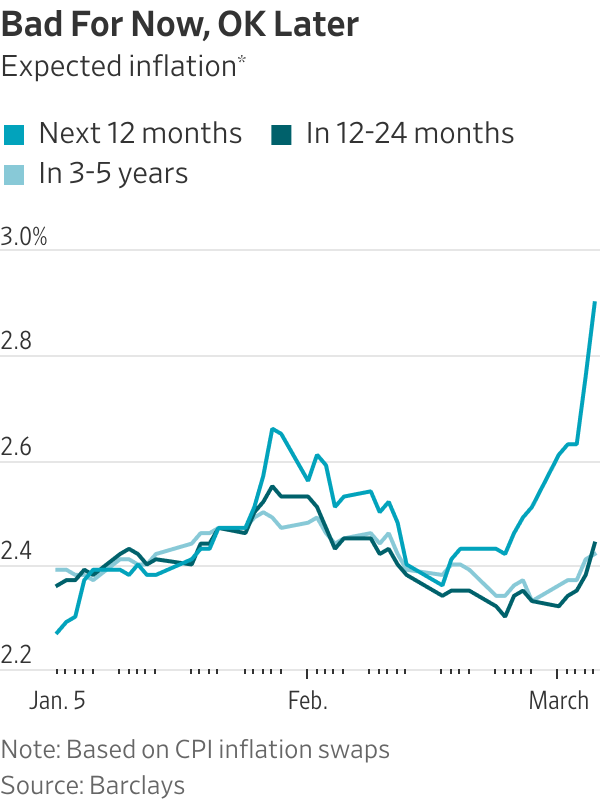
This should make the Fed comfortable not raising rates and, if necessary, cutting, should a genuine recession threat loom.
That said, for inflation not to persist assumes the public expects it to come down again, and that isn’t a sure thing. A new paper by Stefan Nagel of the University of Chicago and Ulrike Malmendier of the University of California, Berkeley argues expectations depend heavily on an individual’s lifetime experience. Inflation has now run above 2% for five years, which could weaken younger individuals’ confidence it will come down.
This puts a premium on the Fed making sure it does. Stagflation happened in the 1970s not just because of high oil prices and lower productivity, but because the Fed systematically raised rates too little or cut too much, partly because of political pressure.
President Trump, eager to run the economy hot ahead of the midterm elections, has put intense pressure on the Fed to slash rates. If it succumbs, a temporary oil-induced inflation blip could become something much longer lasting.
Write to Greg Ip at greg.ip@wsj.com


