
 E-Paper



Turkey coup: What pushed the putsch against President Erdogan, what next?
Turkish President Recep Tayyip Erdogan has survived a military coup — a boast many of his predecessors ousted in previous army takeovers cannot share.


He weathered anti-government protests that lasted for months in 2013. He escaped the flames that engulfed some of his ministers in a corruption investigation nearly three years ago.
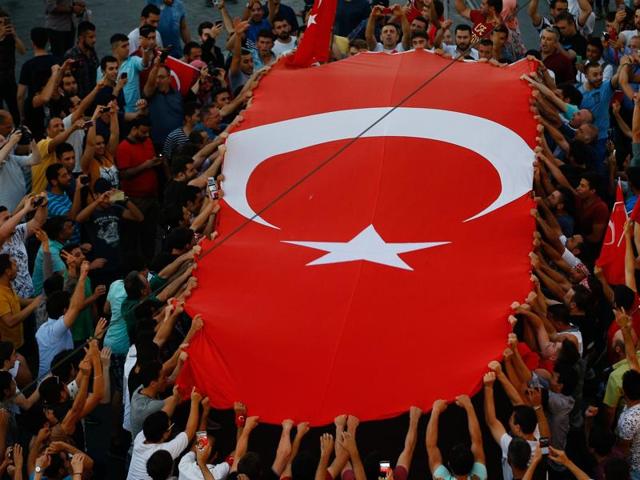
And now Turkish President Recep Tayyip Erdogan has survived a military coup — a boast many of his predecessors ousted in previous army takeovers cannot share. No one in Turkey predicted what happened on Friday night when soldiers took control of Istanbul’s two main bridges across the Bosphorus and flew F-16 fighter jets low in Ankara.
Read | Turkey coup attempt: A night of fear for Bengali film crew in Istanbul
What prompted the coup?
In recent years, critics, foreign governments and Turkish citizens have expressed concerns about a steady decline into authoritarianism under Erdogan. Although he won much praise in the first few years after becoming prime minister in 2003, since becoming Turkey’s first directly-elected president in August 2014 Erdogan has been accused of dictatorial ambitions.
Erdogan wants to change Turkey’s constitution, which was installed in 1980 following the last military coup, to adopt an US-style presidential system which would give him greater power. According to Aykan Erdemir, senior fellow at Foundation for Defense of Democracies in Washington, the coup was a result of many factors including the military’s fear of the new system. He explained that the reasons for the coup included “one of the latest developments( that) has been the bill re designing the high courts as well as Erdogan’s refusal to be impartial”.
Read | Turkey President tightens grip on power, cracks down on army post coup attempt
Why did the coup fail?
For Sinan Ulgen, director of the Edam think tank and visiting scholar at Carnegie Europe, this was not a coup by the full army as in previous cases, but undertaken by a clique who themselves held the top general hostage.
This time the country put on more of as how of solidarity, with even the three opposition parties in parliament swiftly condemning the attempted putsch.
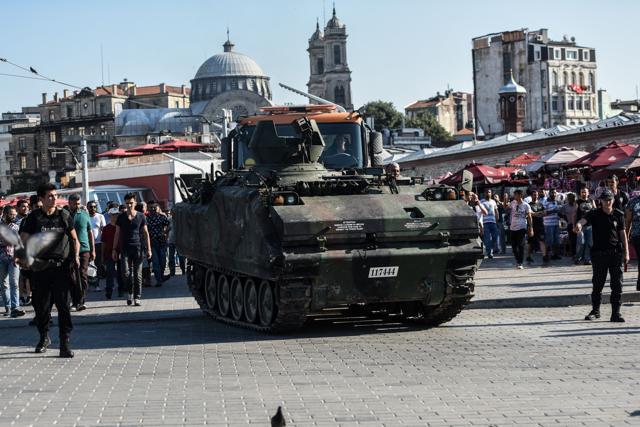
Crackdown
Erdogan will sense the failed coup has created opportunities to tighten his control over Turkey but faces a critical choice. He will come out of this stronger, Ulgen said, but“the question is whether he is willing to use that to drive towards a more consensual politics”.
Read | Turkey’s bungled putsch: A strangely 20th century coup


