
 E-Paper



Paris: 195 nations adopt historic climate change deal to save planet
A landmark climate agreement was agreed to by 195 countries on Saturday night to slow down global warming and save the planet from a catastrophe after key players like India, US and China approved the final draft of a “historic” measure


A landmark climate agreement was agreed to by 195 countries on Saturday night to slow down global warming and save the planet from a catastrophe after key players like India, US and China approved the final draft of a “historic” measure.
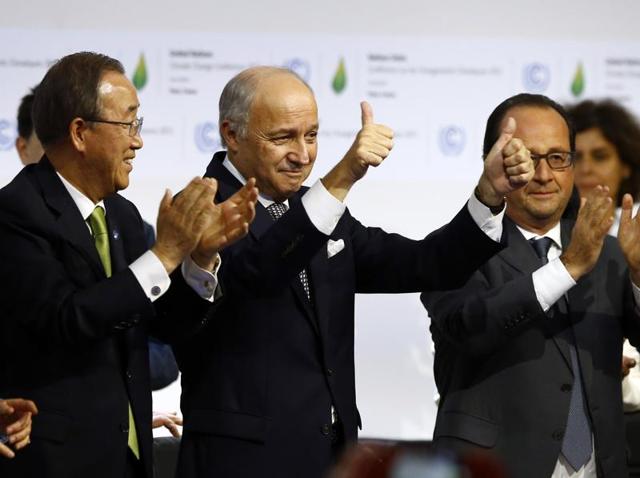
Amid cheers and tears of relief, the agreement signed at a key summit in Paris will legally bind the world in keeping the planet’s warming “well below” two degree Celsius with an endeavour to limit it to 1.5 degrees, the level scientists say is needed to avert the worst effects of global warming.
The pact also commits $100 billion a year from 2020 to help developing countries cope with the problem. Besides, it will make it binding for nations to open their books every five years for scrutiny on their contribution to the global effort to cut greenhouse gas emissions.
Environment minister Prakash Javadekar, who had championed the need for rich nations to step up financing for the developing world, said he was happy with the deal which aims at taking carbon emissions to zero by 2100.
Read | India happy with the Paris climate change draft deal, says Javadekar
Hours earlier, French President Francois Hollande also called Prime Minister Narendra Modi to apprise him of the latest status of negotiations at the meet and seek New Delhi’s backing for the pact, which comes six years after the last climate summit in Copenhagen ended in acrimony and failure.
India was among the block of 134 developing countries called G-77 plus China which welcomed the agreement with Javadekar saying condition of having differentiation between rich and developing world in all elements has been met and climate justice has found a mention.
The US, which had refused to sign the previous emissions treaty, the 1997 Kyoto Protocol, and EU too backed the agreement after the mitigation target of rich countries were made less stringent by replacing “shall” with “should”.
Read | Paris: Roadmap for climate action yields a mixed bag for India
However, only a few countries like Nicaragua objected to the accord saying the adoption was against the UN principle of multi-lateralism as its objection were not taken into account.
The agreement will come into force from 2021 with no ending clause and in the next four years the countries will decide on the exact mechanism to implement it.
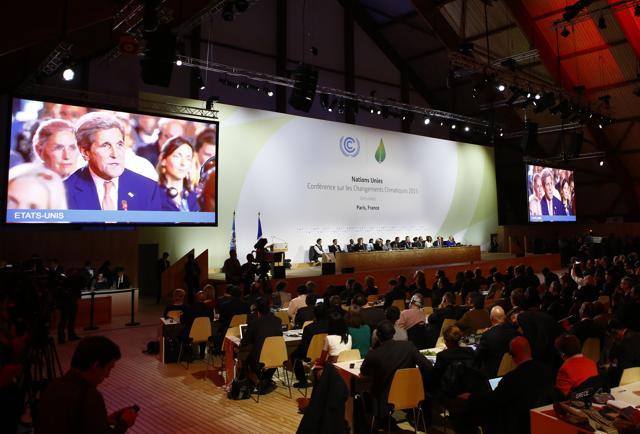
Experts say the 31-page draft will have major implication for the world, especially developing countries like India and China as it will accelerate adoption of cleaner technologies and building resilient societies across the world.
But, on the other hand, it has weakened the obligation of the rich nations to fight climate change as a reference to their “historical responsibility” has gone missing.
As teary eyed conference president and French foreign minister Laurent Fabius said “there was something for every country to claim success” the agreement provided a “unique balance” between what were major demands of the countries participating in the conference.
Read | Paris climate deal a compromise, will lead to 3 degree temp rise: CSE
Centre for Science and Environment’s director general Sunita Narian termed the agreement a mixed bag for India saying the country gained ground after starting on a wrong note when it was termed as “obstructionist”.
“It is my conviction that we have come up with an ambitious...agreement,” said Fabius, on the brink of tears after presiding over nearly a fortnight of the talks in Paris, scene of ghastly terrorist attacks which left 130 dead and scores injured a month ago.
Fabius told the representatives that they would achieve a “historic turning point” for the world if they endorsed the draft for transforming the world’s fossil fuel-driven economy within decades and turn the tide on global warming and end a decades-long row between rich and poor nations over how to fund the multi-trillion-dollar campaign.
Hollande and United Nations secretary general Ban Ki-moon had also made emotional appeals to the negotiators to adopt a universal and binding Paris agreement that may not “perfect” for all.
“It acknowledges climate justice and takes into account differentiated responsibilities of countries in respective capabilities in national circumstances,” Fabius said, while addressing a concern of the developing world led by India and China.
Devastating flooding in Chennai last week was attributed to climate change while a UN report too said that the record-breaking rain in the southern state could have been triggered by El Nino, a weather phenomena which sparks global weather extremes.


