E-Paper



Nepal reopens quake-hit heritage sites despite Unesco concerns
Nepal on Monday reopened six of the seven world heritage sites in Kathmandu Valley that were damaged in a pair of devastating earthquakes in a bid to attract foreign tourists despite safety concerns raised by Unesco.


Nepal on Monday reopened six of the seven world heritage sites in Kathmandu Valley that were damaged in a pair of devastating earthquakes in a bid to attract foreign tourists despite safety concerns raised by Unesco.
"Nepal is safe for tourism and the country is in need of your help," tourism secretary Suresh Man Shrestha on Monday appealed to tourists at a function held at the Bhaktapur Durbar Square near Kathmandu.
The United Nations Educational, Scientific and Cultural Organization (Unesco) world heritage sites - Bhaktapur, Hanumandhoka, Patan durbar squares, Boudhanath and Swayambhunath stupas, and Pashupatinath and Changu Narayan temples - had sustained damages during the quake.
On Monday, all these sites except Changu Narayan were thrown open to public after removal of debris.
"As many of the monuments in these sites are still in a precarious state, the Unesco office in Kathmandu reminds the general public to be extra cautious and reconsider the necessity to visit these sites," the UN body said last week.
Requesting the Nepal Tourism Board and the archaeology department to re-examine the decision of reopening the sites, Unesco had asked both bodies to carefully plan the process prioritising safety and security.
Unesco believes there is a risk of theft of art and cultural objects at some of these sites and sought restrictions on the movement of people in some areas as it might weaken the structures.
"Safety measures like helmets for tourists have been adopted. We needed to reopen these sites to send a positive message," said Bhesh Narayan Dahal, director general of archaeology department.
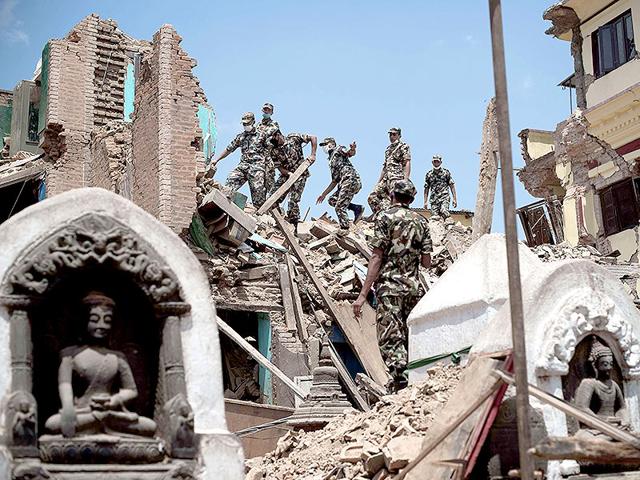
The April and May quakes which claimed over 8,700 lives also destroyed 133 historical monuments and damaged 741 others across Nepal. Nearly 400 off them are in Kathmandu Valley alone.
A draft report, on the extent of the damage caused by the quakes, compiled by the Nepal Planning Commission pegged the total loss to different sectors at nearly $160 million.
Tourism is one of the mainstays of Nepal's economy. It employees nearly 1.2 million people and contributes nearly 8.5% to the country's GDP. Last year nearly 800,000 foreign tourists visited the country.
The sector has been badly hit due to the quakes with many tourists cancelling their visits. Authorities hope reopening of the heritage sites will encourage more tourists to head to Nepal.