E-Paper



Nepalese techie develops e-tracking device for protection of trekkers
An award winning Nepali IT expert has developed a technology which could help protect trekkers if they get lost, meet with some accident or get attacked by wild animals or criminals.


The scenic Himalayan landscapes of Nepal attract thousands of trekkers from across the world each year. While most return home safe with fond memories a few disappear without any trace.

Now an award winning Nepali IT expert has developed a technology which could help protect tourists if they get lost, meet with some accident or get attacked by wild animals and criminals.
Called e-tag or Tourist Tracking System, the pen drive shaped device will be able to keep track of tourists with the help of internet and relay stations placed along important trekking routes.
“It’s simple. In case of emergency tourists just need to press a button on the device which will enable us to get the distress signal and carry out rescue,” said Magsaysay award winner Mahabir Pun.
The device developed by Pun and a Bangkok-based company was launched on Friday in the tourist town of Pokhara.
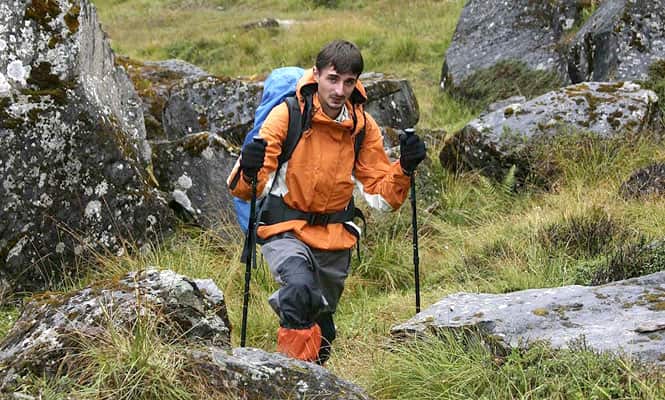
The technology has already been installed in the Annapurna Conservation Area Project (ACAP), Nepal’s largest protected area and a popular trekking destination for foreign tourists.
Besides acting as a distress signal, the device will update location of tourists to a computer network administered by ACAP and can be viewed by their friends and relatives across the globe.
“Earlier there used to be difficulty in locating tourists in cases of emergency. Now we will have their exact details and can take immediate measures if needed,” said Pun while launching the device.
Tourists can collect the device from ACAP office before they set out for trekking by depositing a small sum. They can reclaim the amount by returning the device after completing their treks.
According to Pun the technology will be tested for six months in ACAP and could be expanded to other areas depending on its effectiveness.
Nearly a dozen foreign tourists have gone missing from several hiking and trekking trails in Nepal over the past decade.
Australian Mathew Allpress (23), who went missing from Silkes in Kaski district in November and German Linus Westermann (25), who went missing from ACAP in September, are the latest names in that list.