E-Paper



Food regulator bans use of animal parts in manufacturing silver leaf
Use machines to make silver leaf, says India’s top food regulator, as it bans the use of animal parts and products in its manufacture. Silver leaf is used to garnish Indian sweets, desserts and spices such as cardamom

 Prefer HTon Google


New Delhi: The use of animal parts or product in silver leaf (chandi ka varq) has been banned from August 1, 2016 by India’s top food regulator.
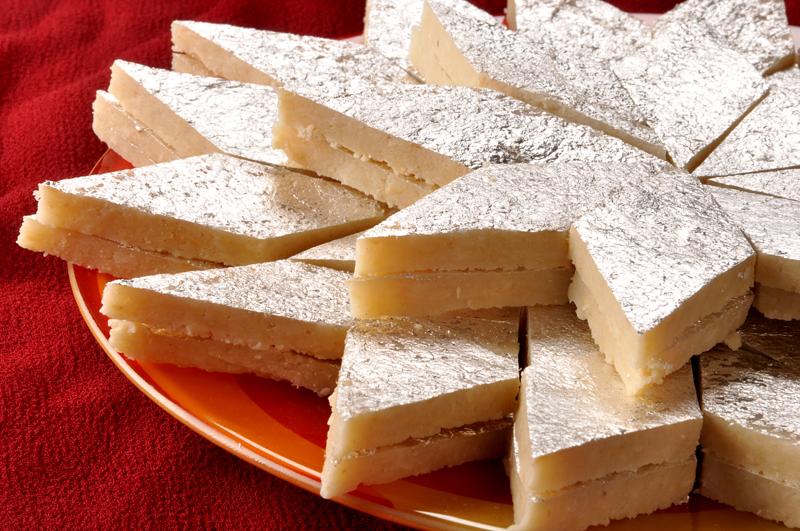
Silver leaf, which is used to garnish Indian sweets, traditional desserts and spices such as cardamom and paan etc, is traditionally manufactured by placing silver between the intestines of animals obtained from slaughterhouses and hammering it thin .
The Food Safety and Standards Authority of India (FSSAI) issued a gazette notification on Tuesday that said silver leaf cannot be manufactured using any animal material of animal origin at any stage.
“State food regulators will take action against manufacturers who still use animal parts to make chandi varq,” said a senior official at FSSAI.
Modern machinery is equipped of manufacturing fine silver leaves, which bypasses the traditional method.
The notification has also fixed norms for thickness, weight and purity of silver to ensure hazardous aluminium foil is not passed off as silver leaf.
The sheet needs to be of uniform thickness, free from creases and folds; have weight of silver foil up to 2.8 gm/sq-m; and silver content of minimum 999/1000 fineness, says the notification.