
 E-Paper


Follow the latest breaking news, major developments and agenda-setting stories from India and around the world with the newsdesk at Hindustan Times. Operating round the clock, the desk brings together experienced editors, reporters and correspondents to deliver fast, accurate and contextual reporting across subjects that influence public policy, governance, business, society and international affairs. The HT News Desk covers politics, elections, government policies, the economy, business and markets, science and technology, the environment, law and order, infrastructure, education, climate issues and geopolitics, while closely tracking developments across states, institutions and global capitals. The team also leads coverage of major breaking news events, policy announcements, court proceedings, natural disasters, public emergencies and significant international developments. Reports published by the newsdesk are based on information gathered from reporters on the ground, official statements, government agencies, court records, regulatory filings, recognised institutions and other authoritative sources. Stories undergo editorial scrutiny and verification processes to ensure accuracy, fairness and relevance, and are updated as events evolve and additional information becomes available. Whether covering a key political decision in New Delhi, an economic policy shift affecting millions, a landmark court ruling or a major global event, the HT News Desk aims to provide readers with reliable, fact-based journalism that delivers not only the latest developments but also the context and analysis needed to understand their wider implications.
 Trending News
Bangladesh bans three charities from giving aid to Rohingyas
Bangladesh is “scrutinising and screening” all aid agencies wanting to contribute to massive relief efforts for more than half a million Rohingya refugees because of security concerns.


Bangladesh has banned three Islamic charities from working with Rohingya refugees, a lawmaker said on Thursday, amid concerns that displaced Muslims in camps along its border could be radicalised.
Mahjabeen Khaled, an MP from the ruling Awami League, said the international charities, Muslim Aid and Islamic Relief, and Bangladesh-based Allama Fazlullah Foundation had been blacklisted from the Rohingya refugee camps in southern-most Cox’s Bazar district.
Khaled, who sits on the parliamentary standing committee on foreign affairs, said no specific allegations had been levelled at the charities.
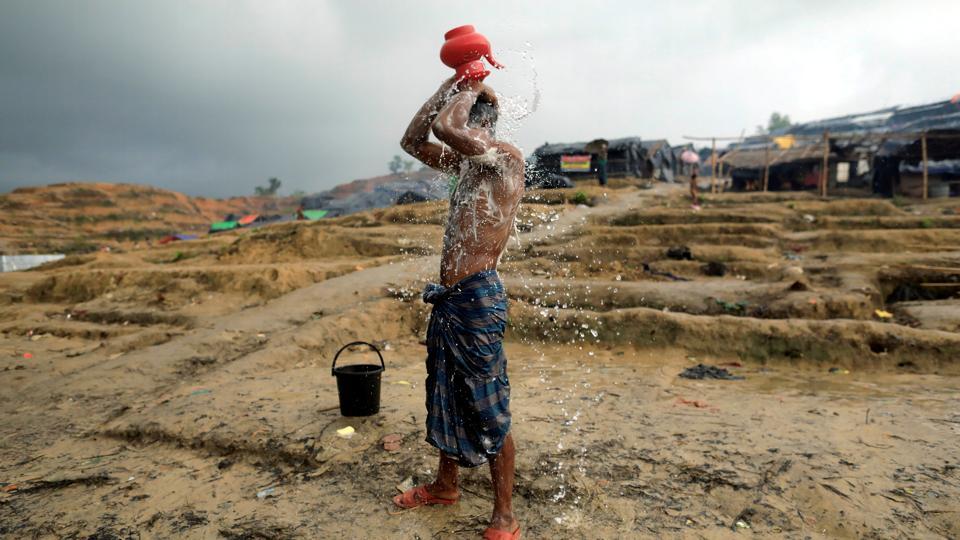
But authorities were “scrutinising and screening” all aid agencies wanting to contribute to the massive relief effort in Cox’s Bazar, where more than half a million refugees had fled to squalid camps since August.
“We want to monitor who is giving aid, and why, for security reasons. Who are funding them, and what they are going to do with the money?” Khaled told AFP.
“They (Rohingya) are vulnerable. A lot can be done with this Rohingya people. We want to be careful,” she said, adding it would be “easy” to lure the refugees to militancy.
Bangladesh has heavily curtailed access to Rohingya camps in recent years, but eased restrictions last month after more than 520,000 new refugees poured across the border.
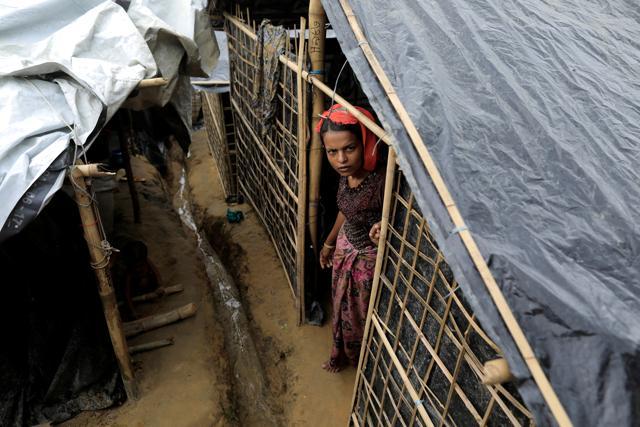
The government’s NGO Affairs Bureau approved 30 local and global aid groups to meet “emergency needs” in the overwhelmed camps, which already housed about 300,000 Rohingya before the latest influx.
Before that, just four international charities - including Doctors Without Borders (MSF) and Action Against Hunger (ACF) - were permitted to operate in the sensitive border district.
Khaled said Muslim Aid had also been banned from working in the refugee camps in 2012, when tens of thousands of Rohingya Muslims fled a separate surge of violence in neighbouring Myanmar.
Bangladesh authorities are reluctant to discuss their reasons for curbing access to the camps, but fears prevail that anger among the displaced Rohingya could be exploited by extremist networks.
Bangladesh is fighting its own battle against homegrown Islamist radicals, who have claimed responsibility for the brutal murder of progressive bloggers, secular activists and foreigners in recent years.
Even those charities given the green light last month can only work for two months, and must restrict activities to providing healthcare, sanitation facilities and shelter for the Rohingya.


