
 E-Paper



Ramadan special: A lesser-known festive spread
Shabana Salauddin, founder of home-dining service Ammeez Kitchen, talks about Ramadan specialties in a Konkani Muslim kitchen, and how the lockdown is marring ‘sociability over food’


Apart from its tenets of abstinence, reflection, prayer and heart-searching, Ramadan is about exchanging platefuls of goodies. The human race has not mastered a practice more welcoming of fraternity than sharing food. “It is dull this time,” says Shabana Salauddin, who misses teasing her gorger friend with the quip, “Biryani doosre ki thi par pet toh khud ka tha na!” She describes it as a saying frequently thrown into Eid conversations to remind overeaters how the after-effects of “stuffing” are always one’s own. Shabana, founder of Ammeez Kitchen — a home-dining service in Mumbai’s Marol area — feels the contagion has clouded the cheer in Iftar meals; it has injected panic into our need for togetherness.
As the prolonged lockdown quiets festive habits, Shabana traces the lone cuisine of Konkani Muslims — an ethnoreligious subgroup hailing from the districts of Thane, Raigad, Ratnagiri and Sindhudurg. “You think of Muslim food and may have imaginings of Galouti Kebab, a Bohri Thaal or some Hyderabadi Haleem, but our food is different. It has a conscious everyday selection of vegetables, chicken, and fish. Yet, it is not anything like Goan food,” she explains.
Khichda isn’t your regular Khichdi
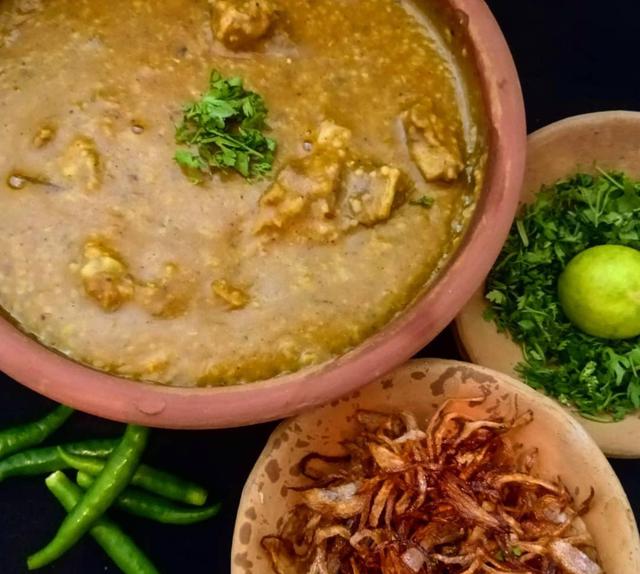
Her Gosht Ka Khichda is an elaborate preparation that is made on special occasions. It requires broken wheat, six to seven kinds of lentils and rice — all boiled and mashed separately before being mixed with spices. “We use two parts of meat for one part of pulses and grains. This dish is very Persian and re-tells history as our seafarer community was born when Arab traders came to India and married local women. The Arabs have Khichda by adding macerated boneless meat to it, but we like it chunky,” Shabana adds.
Let’s go bananas
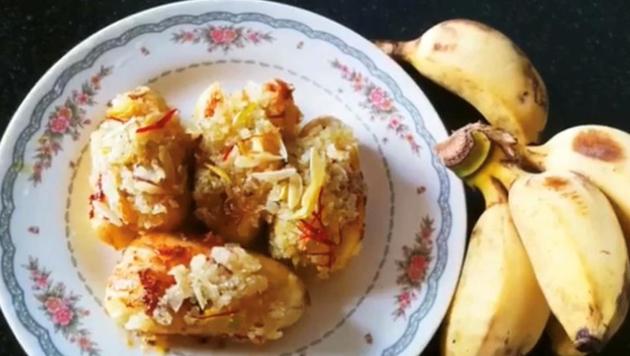
Next in line, is a dessert made from the Kapsi variety of bananas. Choi Ke Kele uses the kind of bananas that don’t fall apart on frying, even when ripe. It is cooked up by making an incision along the length of the fruit, packing it with shredded coconut and dry fruits and frying it in oodles of ghee. “Have it warm after adding a dash of saffron and a ladleful of milk,” Shabana salivates while mentioning.
The white glow of Saandans
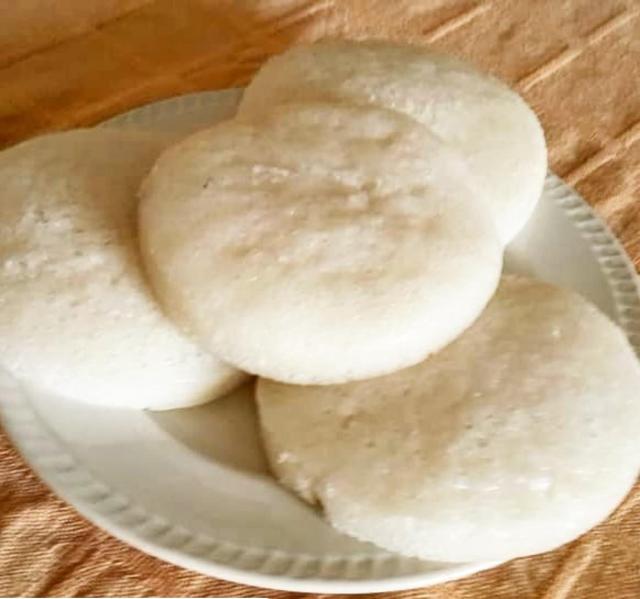
The home chef also talks about Konkani Saandans (fermented rice cakes with flattened tops). These white beauties can be had either for their savoury or sweet taste. Stone-ground rice needs overnight natural fermentation before being steamed into cakes. The dish can be enjoyed with chicken or mutton curry or bitten into like any other sweetmeat. “For the latter, take two Saandans and join them using a creamy thickened mix of coconut milk, fresh cream and sugar,” Shabana says.
In her prayers, she wholeheartedly hopes to return to times all of us took for granted.


