E-Paper



2000 malaria cases reported in Mandla this year
Apart from battling dengue and swine flu outbreaks in the state, the Madhya Pradesh health department is now worried over a malaria outbreak in the tribal district of Mandla.


Apart from battling dengue and swine flu outbreaks in the state, the Madhya Pradesh health department is now worried over a malaria outbreak in the tribal district of Mandla.
The district has reported around 2,000 malaria cases this year, with 314 cases in October alone.
Of these 314 cases, 250 are malaria falciparum cases, the more virulent malaria.
Malaria caused by the protozoan plasmodium falciparum (called Pf) is more dangerous and causes maximum malaria deaths. Six people have died in the district this year from malaria, according to health officials.
Overall, around 30,000 malaria cases have been reported in the state since January 1 this year, out of which over 9,000 are pf cases, says the website of National Vector Borne Disease Control Programme. Till August this year, nine malaria deaths had been reported in MP.
Last year, MP had registered 96,879 malaria cases, of which 41,638 were Pf cases. In 2014, 26 malaria deaths were reported in the state.
Sources revealed that during the recent review meeting on the situation of dengue and swine flu in the state, principal secretary health Gauri Singh directed the officials to monitor the malaria situation as well, especially in Mandla.
Expressing her concern over high number of cases in the Mandla district, she asked senior officials to visit the worst-affected areas. A senior health official has already reached Mandla and is taking stock of the situation in the district.
Chief medical and health officer Dr KC Meshram said there was a surge in malaria cases in some areas of Mandla district, like Nainpur block.
“This year, over 2,000 malaria cases were detected in the district, with 314 in October alone. We are monitoring the situation and trying our best to check its spread. The patients are being provided treatment and a large number of them have already recovered,” he said.
Former district malaria officer (DMO) Mandla BM Varun said due to geographical reasons like dense forests and presence of rivers and water bodies, Mandla registers a large number of malaria cases.
“Also, tribals don’t cover their bodies fully, which makes them more susceptible to mosquito bites,” he said.
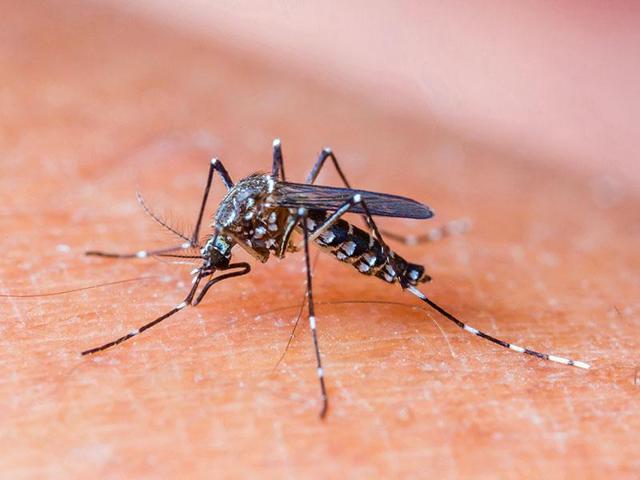
Malaria is a potentially life threatening parasitic disease caused by Plasmodium viviax (Pv), Plasmodium falciparum (Pf), Plasmodium malariae and Plasmodium ovale. Once bitten by an infected female Anopheles mosquito, the person develops malaria within 10 to 14 days.
The outbreak
Mandla district has reported around 2,000 malaria cases this year, with 314 cases in October alone
Around 30,000 malaria cases have been reported in the state since January 1 this year
Last year, MP had registered 96,879 cases, of which 41,638 were malaria falciparum cases.