E-Paper



Fingerprint cloning new way to beat MP exams
In Madhya Pradesh, impersonators have come up with a trick to dodge biometric verification by cloning thumb impressions with a glue and a transparent tape.

 Prefer HTon Google


In Madhya Pradesh, impersonators have come up with a trick to dodge biometric verification by cloning thumb impressions with a glue and a transparent tape.
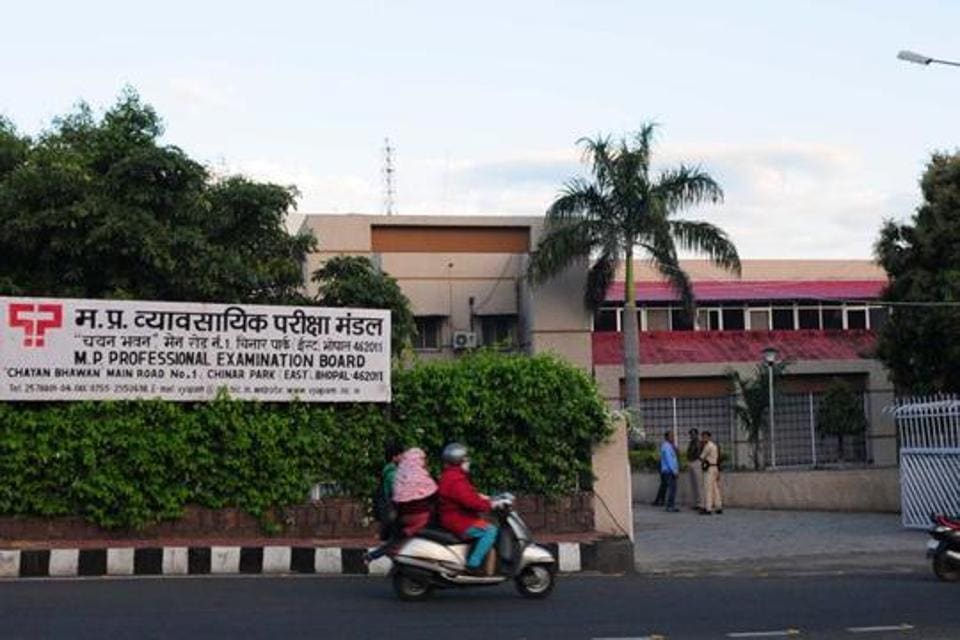
An impersonator was caught on Thursday in Thatipur area of Gwalior. He used a cloned thumb impression with a glue and a transparent tape while appearing in the online constable recruitment test being organised by Madhya Pradesh Professional Examination Board (MPPEB also known as Vyapam) from August 19 to September 18.
The impersonator Bheem Singh Meena, a resident of Sawai Madhopur, Rajasthan, managed to dupe the biometric machine at least twice.
He got caught when officials, suspecting foul play, asked for his thumb impression after he had washed his hands at the end of the exam.
He was trying to impersonate an aspirant from Morena, Kailashi Rawat.
During investigation, police found that an inter-state gang of solvers, mediators, engineers and finger print experts was involved in these cases of impersonation.
They found that a large number of impersonators had been taking the exam with cloned thumb impressions.
While talking to HT, town inspector Thatipur and investigating officer Yashwant Goyal said, “In the investigation, we found that impersonation activities are being held rampantly in the state with the help of this new technique of cloning of thumb impression. Meena informed that kingpin of the gang, Abhishek Rawat, put glue on his thumb and pasted a transparent tape over it. It is hard for machine and invigilators to detect it superficially.”
According to a finger print expert, highly qualified people are involved in this latest scam as the tactics involved were very rare. “Earlier, people used to dodge the biometric machine by using wax but the trick had become very popular and easily detectable by authorities,” he added.
The racketeers are also charging premium amounts for these services. Meena confessed that he received ₹ 40,000 to take one exam.
“They are charging money for everything from providing solver to cloning of thumb impression but the specific amounts would be known only after the arrest of original aspirant,” said Goyal.
According to sources, Meena had appeared in several recruitment tests conducted by MPPEB.
Police are currently on the lookout for seven other impersonators staying with Meena in his hotel in Gwalior.
Sources said the police has also informed the MPPEB about this new technique of bypassing biometric security so that the board could adopt stricter measures for verification at other centres in subsequent examinations.