E-Paper



Madhya Pradesh to table Bill against ‘forced and fraudulent inter-religious marriages’
The legislation will provide for five-year rigorous punishment for anyone who promotes or is involved in such marriages

 Prefer HTon Google


The Madhya Pradesh government on Tuesday announced it will bring in legislation against forced and fraudulent inter-religious marriages with a provision for five-year rigorous punishment for anyone found involved in or promoting them.
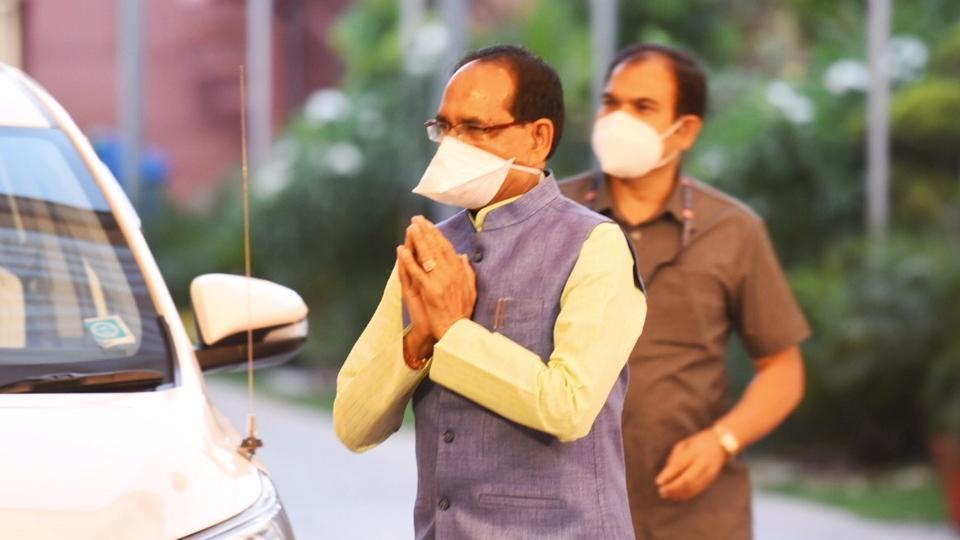
“We are going to table the Madhya Pradesh Dharm Swatantrey Bill, 2020, in this winter session against ‘love jihad’ which means a woman is forced or lured by a person of other religion for marriage and later she is tortured for conversion,” said state home minister Narottam Mishra said.
Also Read: In defence of the right to choose one’s love
Radical Hindu groups have popularised the term “love jihad”, which they use to describe what they believe is an organised conspiracy of Muslim men to trick Hindu women into marriages. In February, junior home minister G Kishan Reddy told Parliament the term “love jihad” is not defined under the laws and no such case has been reported by any central agency.
Mishra said they will punish the people who promote “love jihad”. “The forceful conversions and marriages will be a cognisable offence and non-bailable. There will be a provision for declaring such marriages null and void,” said Mishra. He insisted they are not against inter-religion marriages but will prevent only incidents of “love jihad”.
Mishra said any person wanting to convert for marriage has to inform district magistrates a month in advance.
AK Gohil, a retired high court judge, questioned the need for separate legislation, saying there is already a law against forceful conversion. “If the state government wants to bring a specific law against forceful inter-religious marriages, it should first define the meaning of love Jihad because it is more an agenda of the saffron organisation. Forceful inter-religious marriages, which are emerging as a big problem, should be dealt with sensitively with a clearly defined law.”
Opposition Congress lawmaker Kunal Chaudhary said his party will support every law brought for the safety of women in Madhya Pradesh. “But before introducing the new law, the home minister should ensure the implementation of existing laws as crimes against women are increasing in the state and the government is not taking any strict steps to curb them.”
Ruling Bharatiya Janata Party (BJP) spokesman Rajneesh Agrawal expressed his happiness that the state government is serious about these torturous marriages. “The new law will definitely save the lives of many women.”
Other BJP-ruled states like Uttar Pradesh and Haryana have also promised to bring in similar legislation. Madhya Pradesh chief minister Shivraj Singh Chouhan on November 2 first announced his government’s plan to introduce the Bill.