
 E-Paper



Bihar polls: Land mines, IEDs pose huge challenge to security forces during first phase
Bihar has witnessed many Maoist incidents in 2009 and 2014 Lok Sabha elections and during the 2010 Assembly polls.


The first phase of general elections in 71 assembly constituencies of Bihar on October 28 will be a litmus test for the state police administration as all the seats fall under extremist affected districts of Aurangabad, Gaya, Nawada, Munger, Lakhisarai, Jamui, Banka, Rohtas and Jehanabad.
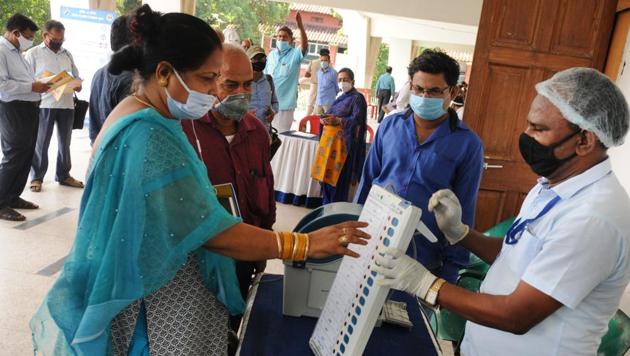
Bihar has witnessed many Maoist incidents in 2009 and 2014 Lok Sabha elections and during the 2010 Assembly polls. In 2009, Maoists blew up 10 government buildings and killed seven people, including five constables, sub-inspector and magistrate.
In 2010, a political leader among ten security forces personnel were killed in a Maoist attack. Similarly, in 2014 five security officials were killed and 16 were injured in separate attacks.
Also read: India generated over 18,000 tonnes Covid-19 waste since June
Given the sensitivity of the situation, the Election Commission had called a meeting to review the situation. Apart from the top brass of police, district magistrates and SPs of all the sensitive districts attended the meeting held in Bodh Gaya.
“Land mines are the biggest challenge in Maoist areas as they cause heavy damage and are difficult to detect. The prime focus is to ensure free and fair polls and safe movement of the Central Armed Police Forces (CAPF). In Bihar, 16 districts are Maoist affected but Aurangabad, Gaya, Nawada, Jamui and Lakhisarai are the most vulnerable,” said a police official.
Sources said several SPs had sought satellite phones, additional CAPF and deep search metal detectors.
Another challenge for Bihar is the vulnerable districts sharing border with Jharkhand. Several meetings have been held between senior police officials of both states to work in coordination during the polls.
“The biggest worry for the administration is to provide security to candidates and ensure that people come out in large numbers to vote. While security at polling booths is usually adequate, the route that voters undertake is highly vulnerable,” said another officer.
Also read: ‘Timely moves’ - PM Modi after Nirmala Sitharaman’s Rs 73,000 crore stimulus
An IG rank police officer, involved in the force deployment strategy, said adequate officials of forces such as the SAP, the STF, the CRPF and COBRA jawans had already been deployed in Gaya-Aurangabad districts.
“Barachatti, Amas, Dumaria, Immamganj, Bankebazar, Sherghatti, Dobhi, Madanpur, Kutumba, Deo, Lemua are known to be worst Maoists affected areas in Gaya and Aurangabad,” he added.
Gaya SSP Rajiv Mishra said, “Landmines are the biggest challenge during polls. The city SP along with the ASP (operation) are camping in Dumaria forest, a hotbed of Maoists.”
Munger range DIG Manu Maharaaj said the district police have formed surveillance teams to check for mines in all possible places.
“In Aurangabad and Nawada, the district police adopt the strategies of area domination, cordon-and-search operations, conduct flag marches and random frequent vehicle-checks,” said IG Rakesh Rathi, Magadh range.


