
 E-Paper



“Filmmaking is a privilege that needs to be used wisely,” says Sisak filmmaker Faraz Arif Ansari
The director of films like Sisak and Sheer Qorma believes that we need to move beyond tokenism and create honest platforms for LGBTQIA+ integration into the mainstream.

 Prefer HTon Google


There were two things that Faraz Arif Ansari was always sure of — one, that they wanted to be a filmmaker, two, they was queer. Asked to describe himself, they say, “I identify as flibbertijibbet, a will-o’-the wisp, a glitch in the matrix. My pronouns as they / them. My native place is the stars, like the rest of us, because we are all made of stardust. I currently reside in the poems in Mary Oliver and Baruch Spinoza’s philosophies.” Behind this candid, seemingly flamboyant exterior of Faraz’s is a deep-seated sensitivity that is evident in his body of work. “For a queer person, every day is a coming-out day. The journey of coming out never stops and continues as long as we are alive. I am merely a medium,” they opine. “Filmmaking is a privilege, a responsibility that needs to be used wisely, sensitively and with great care. We have the power to transform lives through cinema,” says the Sisak (2017) filmmaker.
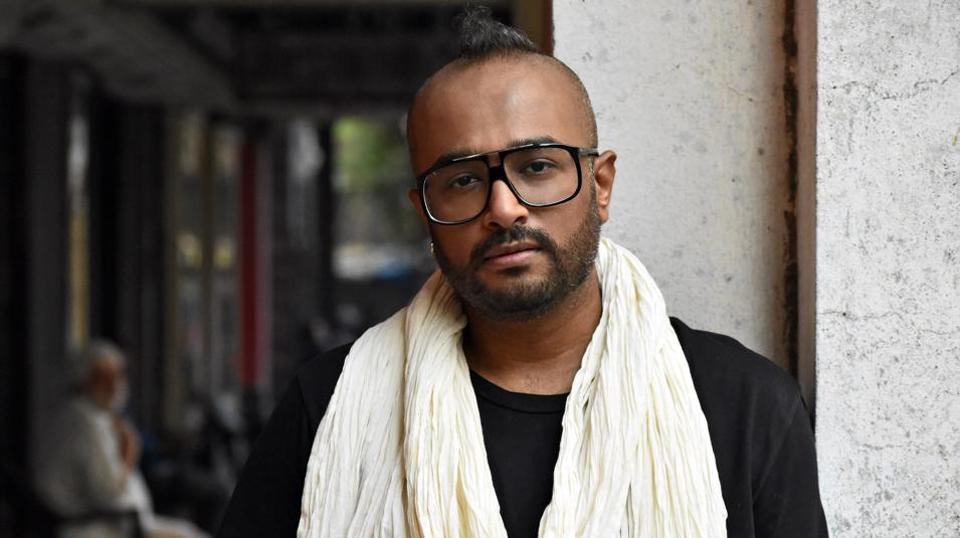
“Recently, a young girl chose to come out about her sexuality to her family after watching the trailer of Sheer Qorma. Later, she called me because her family wanted to thank me. That is the power of cinema,” shares the filmmaker who counts world cinema legends Wong Kar Wai, Pedro Almodovar, Pier Paolo Pasolini and Mohsen Makhmalbaf among their inspirations.
With mainstream filmmakers and actors representing LGBTQIA+ on the silver screen, a once-on-the-fringe subject is being explored, signalling a shift in sensibilities. “It isn’t enough to undo the decades of damage done by reductive, stereotypical representation of the queer community. When it comes to mainstream queer representation, we still have a long, long way to go to bring forward honest, truthful representation of the ever evolving queer spectrum in mainstream cinema. Not just in terms of characters but also in terms of stories. Tokenism is the word and to be honest, tokenism is super exhaustive. What we need is to find a way to introduce honest queer representations and bring forward narratives that are sensitive yet universal,” they assert. The audience, meanwhile, they feel, has been ready all along. “It is the creators who are not ready to take the leap into creating something that will be legendary,” they add.
Read: Nemat Sadat weaves a tale of hope for the LGBTQI+ community
The lines between art and life have remained blurry, but as more voices and narratives make themselves heard, a sort of confidence is developed in those who continue to struggle with their identity and sexuality. “I was aware of my sexuality way back in school. My queerness was never a problem for me. It is usually a problem for people around you who don’t understand when someone stands out of the herd. The queer community is not a box to be ticked-off your list to make you inclusive. Inclusion is a journey,” they say. How can one become an ally and help create safe spaces? “Listen — this is the first step towards inclusion. We need more empathy, we need more kindness, we need more acceptance. Schools, colleges, universities and workplaces must have regular workshops that sensitise their employees on sexual identities, gender identities, how to practice true inclusion, how to become an ally. Make sure that these are conducted by the right individuals from the given communities,” they advise.
Interact with Etti Bali @TheBalinian
Follow @htshowbiz for more


