
 E-Paper



Excerpt: Eating the Present, Tasting the Future by Charmaine O’Brien
A look at the great Indian sweet tooth, our unstoppable love for cakes and pastries, and the great influence of MasterChef Australia

 Prefer HTon Google


A Sweet History
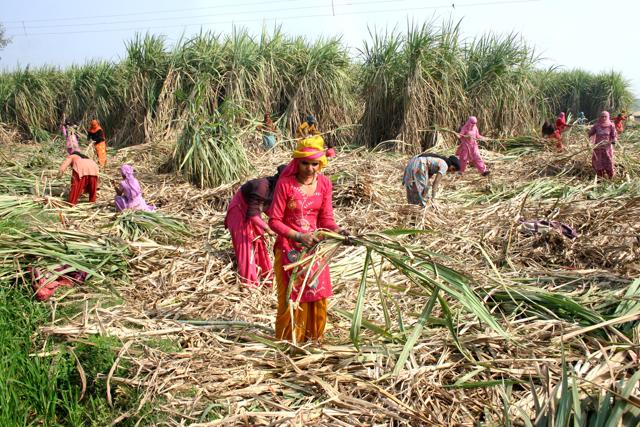
India was one of the earliest producers of the crystalline substance created by boiling the extracted juice of Saccharum officinarum, or sugar cane, known as sugar. Mention of its use in a range of foods, including milk puddings and fermented drinks, first appeared in Indian texts circa 400 bc — a time when sugar was hardly known to the rest of the world. When the army of Alexander the Great came into north India in 327 BC, one of his generals noted a local phenomenon, a “reed which brings forth honey without the help of bees from which an intoxicating drink is made, though the plant bears no fruit”. What he is describing is sugar cane, making it clear that the Mediterranean invaders had no experience of cane-derived sugar. Two millennia later, India is one of the world’s largest producers of sugar, and Indians are amongst the highest consumers of sucrose. The collective Indian “sweet tooth” has a venerable as well as an ancient lineage. Sugar cane was being offered to the gods at least as early as 600 BC, and sweet dishes and drinks are considered the favourite foods of the Hindu deities.
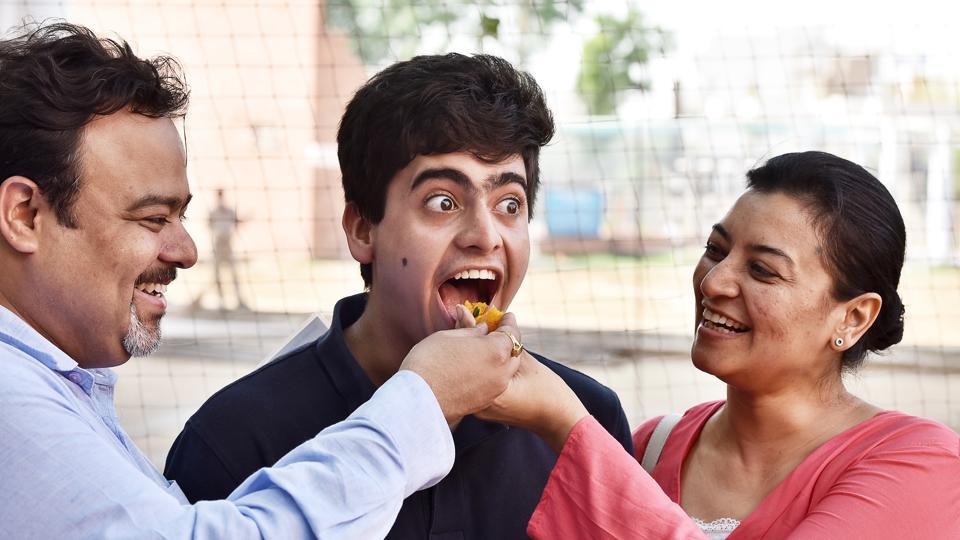
India has a vast, possibly countless, repertoire of indigenous sweetmeats and sweet dishes: a short list of some of my favourites includes sooji ka halwa, mishti doi, shrikhand, jalebi, milk cake, sohan halwa, phirni, suterfeni, chenna poda, bal mithai, sondesh, malpua, rasmalai, unnakkaya, and lagan nu custard. Many Indian sweets are confected from milk in various forms — lightly reduced for payasam or kheer, curdled such as yoghurt or chenna, or condensed to a thick pliable paste (khoya); some are also fried in ghee. Besides milk, all kinds of ingredients are used to fashion sweet items: wheat, rice and chickpea flour, nuts, seeds, semolina, coconut (fresh, dried, and milk), fresh and dried fruit of all kinds as well as vegetables such as carrot (gajar ka halwa) and ash gourd (petha). The use of cream, butter, and eggs is uncommon in Indian confectionery, nor is there a customary domestic practice of baking cakes, pastries, or bread, with notable exceptions of places such as Goa and Mangaluru and in Parsi and Anglo-Indian communities with strong European influences (Portuguese and British respectively). I have several Indian friends who, whenever I stay with them, graciously ask if they might prevail upon me to prepare a few western-style dishes for them: My consent is always greeted with great delight. They typically request baked items: cheese pie, lasagne, apple crumble, lemon delicious pudding, chocolate self-saucing pudding, and lemon meringue pie are all favourites — they also enjoy the salads I make up, perhaps to balance the nutritive ledger. For me, these dishes are commonplace, simple to make and less complex in production and flavour profile than most Indian dishes. For my friends, anything out of the oven is novel and exotic as it is not the food of their everyday lives.
India does have a more recent “tradition” of commercial production of European-style baked goods, which began in the late nineteenth century with the local manufacturing of sweet biscuits. By the time I arrived on the subcontinent a century or so later, cake, bread (colloquially known as “double roti” in north India), and biscuits were commonly available in food stores, although the variety was limited, and most were relatively plain and less sweet than Indian mithai. For something fancier, there was the cake for special occasions, a sponge filled with jam and cream (of a type) decorated with exuberantly coloured imitation butter frosting, perhaps best exemplified by a Monginis classic. I have always found these whimsical cakes charming, igniting nostalgia for childhood birthday parties, and noticed that these have been evolving into even more elaborate versions. Visiting the former French colony of Yanam near Andhra Pradesh on 31 December 2018, I revelled in juvenile pleasure in walking the lanes of the town’s commercial centre, inspecting the cakes decorated in high style with grass, flowers, swans, hearts, tear drops, and scalloped and swirled edges fashioned from soft icings, variously coloured dayglo pink, luminous green, bright cornflower blue, ivory white, and golden yellow, displayed by local confectioners to celebrate the new year. This experience also set me to wonder if this heightened use of vivid colours and elaborate decorations might be in response to new competition in India’s sweets market.
Given the Indian penchant for sugary confections and fondness for baked goods, it seemed to me that there was an obvious gap in the market for good European-style desserts, cakes, pastries (patisserie), and leavened breads. You could get these items in hotel bakeries and breakfast buffets, but they just weren’t quite up to the mark. Breads, cakes, and muffins did not rise into soft crumbly volume, tending to be dry and heavy, and pastries that should have been light and flaky were dense, due in part to the stone-ground wheat flour commonly used in India, a process which denatures the starch and protein in the wheat, adding more flavour to the flatbreads it is commonly used for, but handicapping its rising potential. The lower fat content of local milk meant fresh cream could not be whipped up easily to hold soft peaks, and a heavier mock “cream”, prepared from butter and commercial vegetable shortening, was usually substituted; this product also has more capacity to hold its texture, ie, not melt or curdle, in a hot climate. Egg based custard dishes were often prepared with cornflower based custard powder, accommodating the strong demand in India for egg-free dishes but diminishing their flavour and texture. Even as I preferred to indulge in Indian sweet treats and desserts, I noticed a steady evolution in the range and quality of European-style baked and patisserie items available in India, as well as the proliferation of cafés serving espresso coffee and western-style cakes and sandwiches. Still, this sudden appearance of four stores (in Khan Market, New Delhi), just metres apart, dedicated to fine patisserie and cakes — I could have been looking at a display of sweet comestibles in Sydney, London, or Paris — in a matter of 10 months, what had led to this? I started to ask around.
The MasterChef Effect: Part II
Apparently, the answer to my question as to why all these cake stores had opened in Khan Market was MasterChef. It is possible that I received this response because the show and I share a nationality — at a cooking competition in rural Jharkhand, when the judges, of whom I was one, were invited on the stage to announce the winners, I was introduced as “Dr O’Brien, from the land of MasterChef”. Though not everyone I asked pointed directly to this Antipodean culinary game show, all cited television as a key influence on this trend.
Cooking shows have been a television stalwart for decades, aired during the day for an audience of women responsible for cooking food at home. That cooking has now become prime time viewing, attracting huge audiences of both genders and across all ages, is a more recent happenstance, propelled by shows that have turned meal production into a competition. Others have made food the focus of visually seductive travel narratives or given audiences an inside view into the dramatic machinations of esteemed chefs in restaurant kitchens.
Food, earlier a domestic unalterable, has fled the confines of the kitchen and become a national adventure. Foodies, once a select band . . . have blended in. Food writers, both rude and polite, have become celebrities by discussing the intricacies of a creme brulee. Food shows, now even on news channels, have transformed restaurateurs from humble khansamas to courted celebrities.
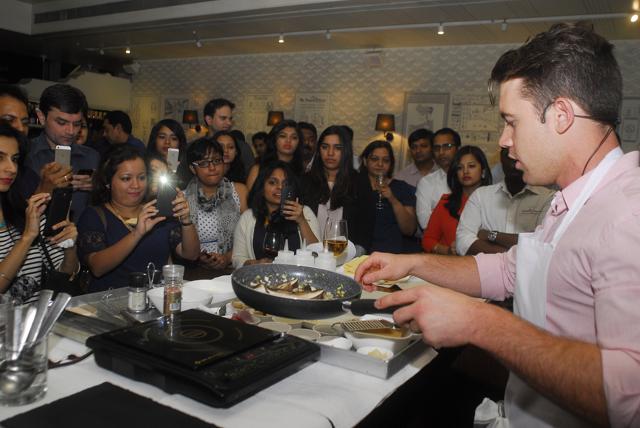
The impact of contemporary media in all its forms on how Indians are currently cooking and eating, or aspiring to, is inarguable, but television programmes are perhaps the most influential, and by “television”, I mean to include cooking- and food-focused programmes on OTT and digital platforms. At any time of the day, there are around 20 different food programmes being aired on Indian television. India has many of her own influential television celebrity chefs, food personalities, and food shows: Sanjeev Kapoor — one of the most watched and best-known chefs in the world with an annual television audience of 500 million viewers, Vikas Khanna, Urban Tadka, Mummy Ka Magic, Vicky Goes Veg, and MasterChef India are amongst the most highly rated. I am going to use MasterChef Australia as my example though, not from any instinctive bias for my countrymen, rather as it was my Indian interviewees who nominated it as having a direct influence on the cake phenomenon, and it is also representative of global media influence on contemporary food trends in India.
Creating fine European patisserie, desserts, and baked goods takes skilled and painstaking work requiring specific conditions, ingredients, and equipment to execute to a professional standard — as is true for the professional confectioner of Indian sweetmeats. Producing elaborate and novel high-end restaurant-style desserts and sweet treats was a feature of MasterChef Australia — pastry chefs Adriano Zumbo and Anna Polyviou both became celebrity confectioners after their appearance on the show. The three million Indians watching the programme had a whole new world of exciting desserts and sweetmeats laid out, visually, before them, which would have left many hankering to consume these in real life. Some viewers might have tried making these elaborate items at home, but given the skill and equipment required to do so, how many people would really want to put in the effort? It is much easier to buy these treats. With media-stimulated appetites for European-style confections and the economic wherewithal to spend regularly on such discretionary indulgences, the demand for these items burgeoned. Indian chefs, cooks, and aspiring food business owners had, in the meantime, having discerned the potential of the cakes and bakes market in India, been training as pastry cooks and bakers at places such as Le Cordon Bleu in London and Paris, or cookery schools in Australia — the popular north Indian European-style bakery chain, Nik Baker’s, has as its tagline “Run by a Professional Baker from Australia” — and/or at India’s culinary schools to skill themselves up as bakers and confectionery makers. Their skills and ambition connected with a growing consumer demand, hence the flourishing of cake stores in Khan Market and elsewhere in urban India — as an aside I counted 100 plus varieties of cakes, biscuits, tarts, and slices at The Big Chill Cakery in Delhi.
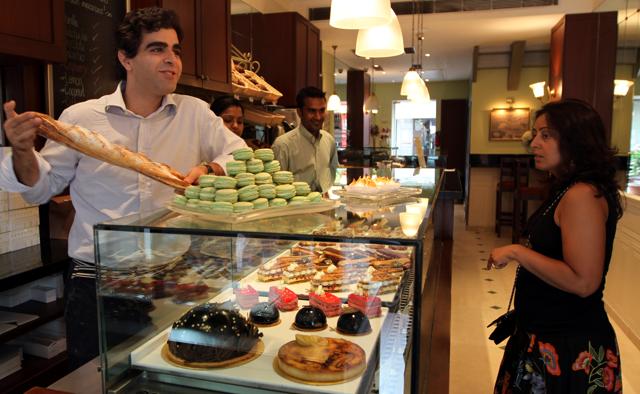
October 2019. I purposefully arrived early for a lunch meeting with my editor Richa at Cyber Hub, the restaurant/café and pub precinct of the futuristic techbusiness park Cyber City in Gurugram, so I could do some field research. I wandered around inspecting the food offerings and counted eight eateries devoted solely to cakes, desserts, chocolates, and ice-creams, including “on trend” Nutella-filled doughnuts, banana bread, and gluten free brownies. I am going to evolve the style of cakes and bakes from here on into “Euro–American” as social media has embedded its parent (USA) food preferences into this category of eats. These venues cater to people working in the shimmering corporate office towers encircling the Hub and a younger crowd of leisure seekers — or at least it did so before COVID-19 depopulated the offices. You could be in a technology-business park in any big city around the globe here, although the collective smorgasboard of sweet items was a distinctive feature. Every day I was in Mumbai that same year, I took a walk in a different direction around the streets of Colaba and the surrounding residential neighbourhoods, noting on these meanderings that just in this section of the city alone, stores selling cupcakes, elaborately decorated birthday cakes, iced doughnuts, muffins, macaroons, fancy breads, dessert cakes, filled pastries, and a lot of chocolates and chocolate based confections had proliferated since my last visit nine years previously. Even the Monginis store had updated and expanded its range to include contemporary “designer” cakes. 15 years ago, my Chennai-based friend Kavita Chesetty travelled to Australia to train with one of the country’s best pastry chefs with the intention of opening a store in Chennai selling fine pastry and cakes as there was nothing like this available in the Tamil Nadu capital. She duly opened a bakery and café called Amore, and this venture was a great success. In December 2019, Kavita is taking me around Chennai, visiting contemporary food businesses for my research for this book, including a raft of bakeries and patisseries, selling cakes, croissants and pastries, leavened breads, cookies, and richly iced small cakes, that have all opened in the past five years. Media-fuelled hunger for sugary confections has not been exclusive to Indians. In Sydney, long queues formed outside Adriano Zumbo’s cake store every day for several years, with people eager to buy the sort of items they saw him create on television. Other popular cooking programmes such as The Great British Bake Off and Chef ’s Table too have contributed to an increasing global appetite for Euro-American cakes, desserts, and sweet pastries. As a curious side note, this has happened concurrently with the emergence of the antisugar movement, perhaps an example of the disparity that often exists between our espoused values (sugar is “bad”; I will eat less of it) and lived values (enthusiastic consumption of sweets). MasterChef is additionally credited with changing the Indian understanding of the potentialities of the visual appeal of food. Focusing on the appearance of food is essential on television because you cannot taste or smell it; visuality is the only way for consumers to connect with it. The same is true for social media. Desserts and cakes can be made visually spectacular — an effect you can’t quite achieve with a bowl of pasta. India’s cakes and bakes trend is not solely born out of television. It is also interconnected with economic prosperity, travel, and social media. Nor it is just about the material elements of food. Having a slice of cake and a coffee is an affordable indulgence, especially for young people wanting to socialize in a fashionable venue, who might find the cost of a full meal prohibitive.
Modern Mithai
Back in 1993, when Vineet Bhatia, the first Indian chef to get a Michelin star for his restaurant, invented the chocolate samosa on a whim in London, it did not cause even a ripple back home because mithai was then seen in restaurants and hotels as the domain of the un-inventive halwai.

If the Indian halwai was the purveyor of predictable confections in 1993, his customers were perhaps as unimaginative as to what they would accept as his “art”. This is no longer the case — and India’s professional confectioners are also no longer exclusively male. Indian pastry cooks and confectioners are working with traditional sweetmeats to fashion these in a more contemporary style, a movement said to have been spearheaded by the invention of the doda barfi treacle tart by Chef Mehrotra at Indian Accent. The Bombay Sweet Shop in Mumbai is “bringing back the magic of mithai” by refashioning traditional Indian confectionery, such as laddoos, barfi, chikki, pak, pedha, and milk cake, infusing some with modern flavours such as caramel, coffee, and pepper, and presenting them in highly designed contemporary packaging that plays on nostalgia but repositions these sweetmeats to look more like a box of chocolates or some other novel treat. Khoya Mithai in Delhi is another business finessing classic Indian sweets with visually seductive packaging, albeit designed to appeal to consumers with more traditional Indian sensibilities. This brand also has a tie-in with a popular television talk show. Such is the “celebrity” of food.


