
 E-Paper



HT Picks; New Reads
This week’s list of good reads includes a book that analyses Hitler’s outlook on India and its people, another that features botanical art of Indian origin spanning 300 years, and one that discusses issues to do with the consumption of water by the poorer sections of society

 Prefer HTon Google


The untold story
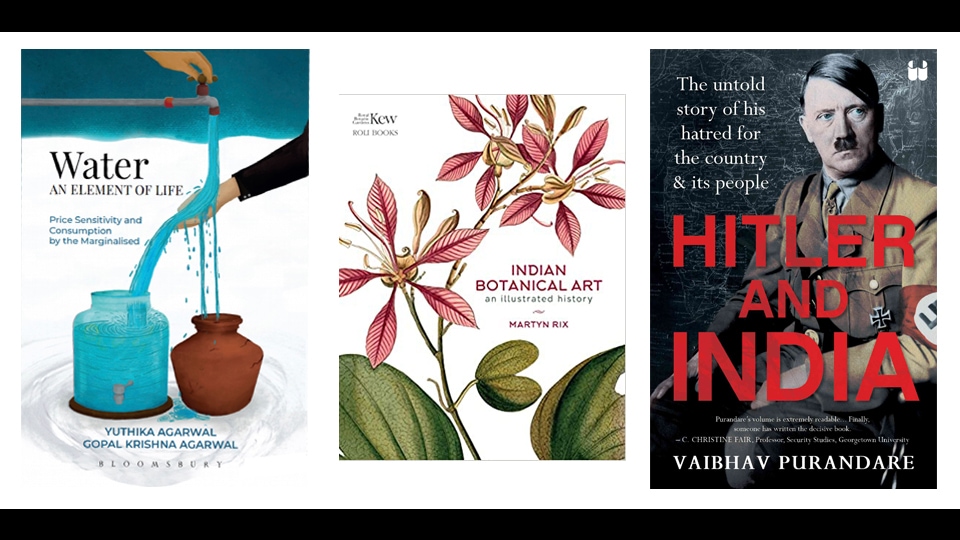
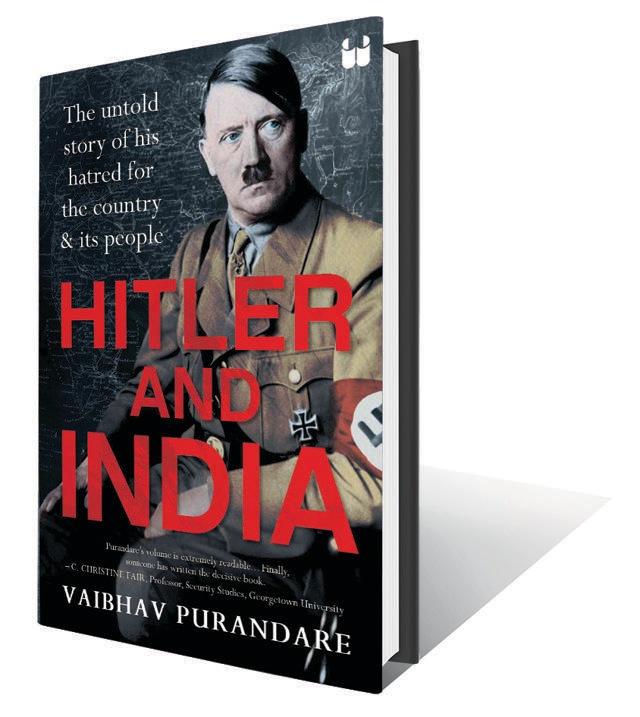
Hitler’s autobiography, Mein Kampf, is a perennial best seller in India, with even street side bookstalls prominently displaying stacks of it. The name ‘Hitler’ – anathema almost everywhere else in the world – is tossed about casually in the Indian subcontinent, not infrequently invoked in praise. Many Indians still harbour the notion that the Fuhrer was a friend of the Indian people and had extended wholehearted support to their freedom struggle. To journalist and historian Vaibhav Purandare, this clearly suggested that Indians continued to be largely unaware of the German dictator’s views on India, in spite of the fact that they are unambiguously expressed in his own writings. This lacuna spurred him on to delve into the archives - in Germany, India, and elsewhere.
The result of Purandare’s research is this comprehensive and painstaking portrait and analysis of Hitler’s outlook on India and its people, his opinion of their struggle against the British Raj, and his take on Indian history, culture and civilization. Also within these pages are surprising details of Netaji Bose’s entanglements with the Reich, the experience of other Indians living in Nazi Germany, the mission that Hitler sent to the Himalayas in search of ‘pure-blood’ Aryans, and a number of other little-known historical nuggets. Accessible and rich in detail, Hitler and India is the very first examination of what India meant to a figure who, perplexingly, remains quite alive in the country.*
An illustrated history
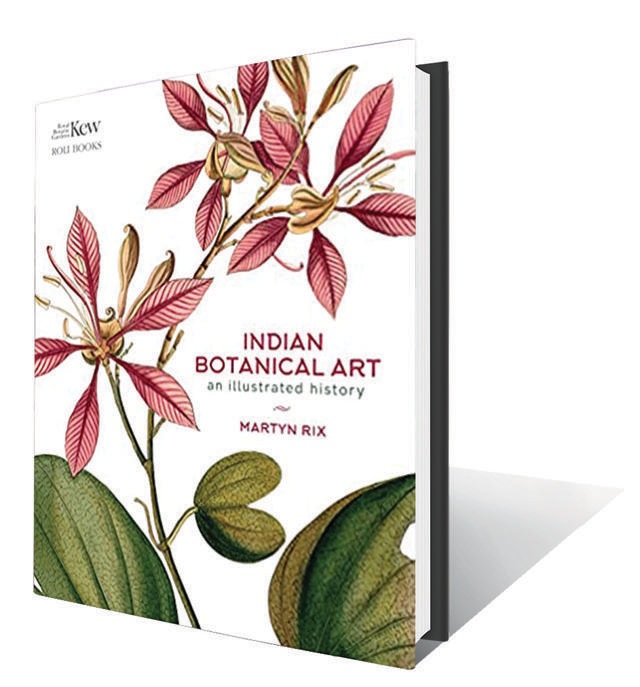
This book brings together striking botanical art of Indian origin spanning a period of 300 years, focusing on the 18th and 19th centuries. Drawn mostly from original works held in the collection of the Royal Botanic Garden, Kew, some of the paintings have never been published before. They showcase the richness and variety of art commissioned from talented, mostly unknown, Indian artists who made a substantial contribution to the documentation of the flora of the Indian subcontinent. A foreword written by Sita Reddy places the collections in contemporary context. The book concludes with works from a new generation of botanical artists in India who excite interest today.*
A part of our common heritage
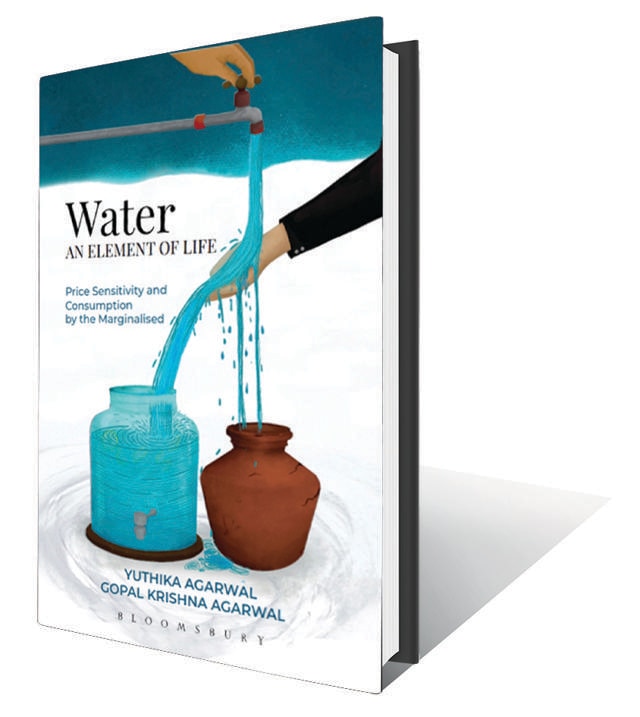
The Constitution of India places the onus on the State to provide equitable access to water for all its citizens. Right to water for life has great significance in the Constitution. Water is a part of our common heritage and is held by the government as a basic element of life.
This book discusses issues with respect to the consumption of water by the marginalized (poor) sections of society and the efficacy of using pricing policy as a tool for overall demand management of household water. It includes a case study based on the survey of the municipal water supply in Delhi. It covers the water scenario at the national level, suggesting regulatory frameworks and reforms for efficient urban water management in India.
There are several conflicts around water resources such as equitable access, competing uses, issues of quality and availability, and commercialization and privatization. The book provides an outline for their resolution. The authors examine urban water management in relation to the reach of municipal water supply to households, price sensitivity of different income groups, consumption patterns among various sources, conservation efforts and public private partnership. The book will support researchers, policy makers and academicians in their work and help the government, non-governmental organizations and environmental activists to achieve the objective of water for all. *
*All copy from book flap.


