
 E-Paper



HT Picks; New Reads
This week’s pick of interesting reads includes a portrait of Indian democracy through the nation’s women, a debut novel that unfolds in the densely forested mountains of Ekarmala, and a book on the East India Company’s conquest of India through the lives of its governors

 Prefer HTon Google


Shaping India’s electoral landscape
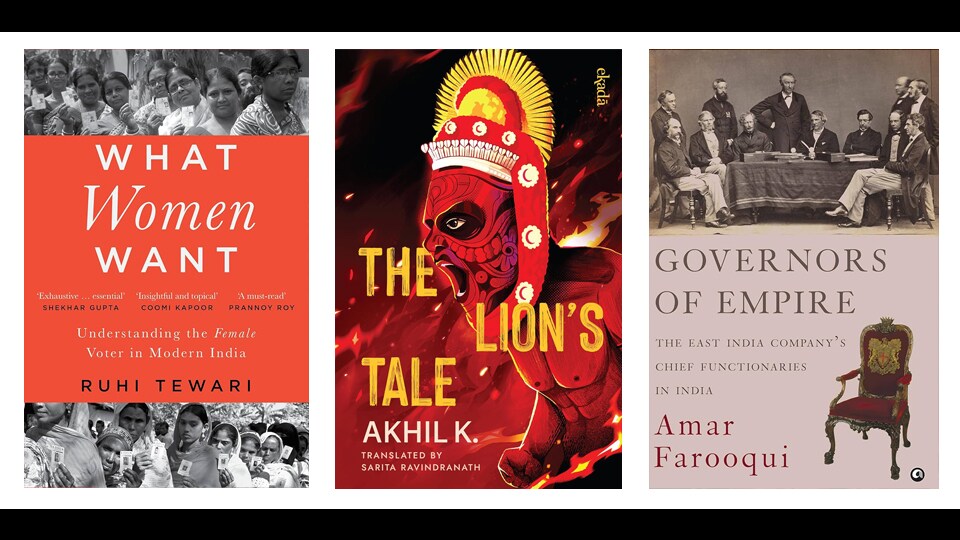
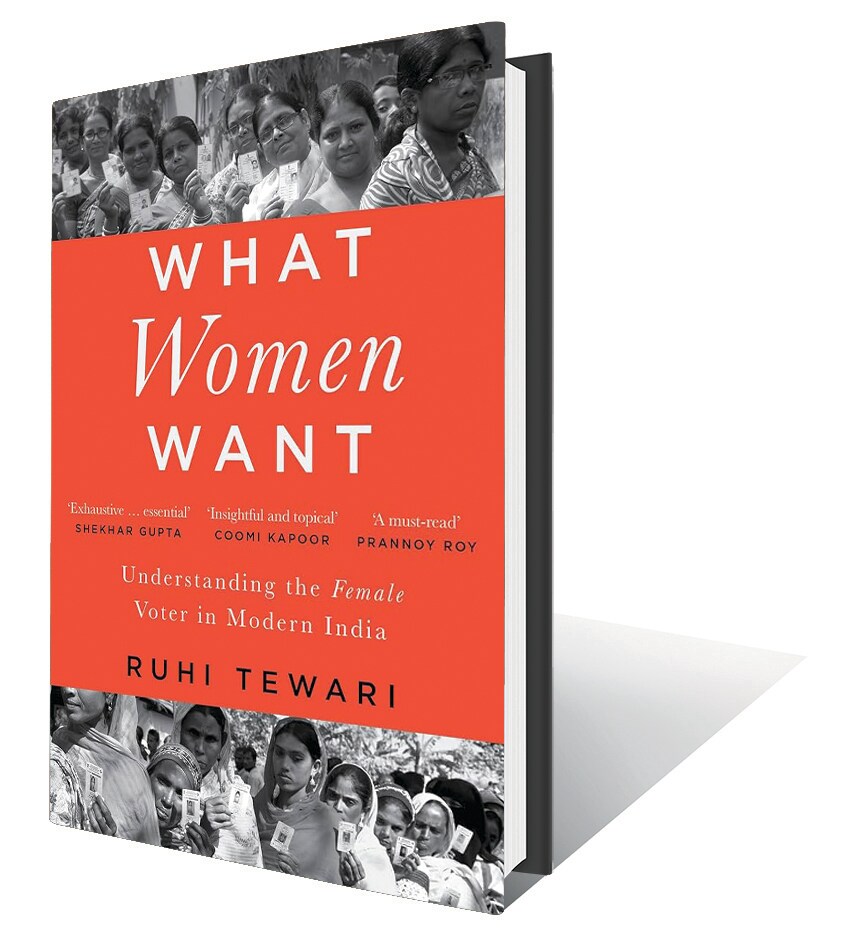
For much of India’s democratic history, the woman voter was invisible and ignored – at times spoken for, but never listened to. That has changed. Today, women vote in greater numbers than ever before, often making independent choices that overturn conventional political wisdom. From the welfare state to identity politics, from kitchen economics to public protest, the woman voter now shapes outcomes at every level of India’s electoral landscape.
In this timely and deeply reported book, journalist Ruhi Tewari travels across states and communities to understand how Indian women vote – and why. Blending fieldwork, data and political insight, this book – the product of nearly two decades of reportage – traces the rise of the woman voter from silent participant to decisive force. It asks hard questions: Do women vote as women? Does caste or religion override gender at the ballot box? Can development trump identity? What happens when welfare schemes become the new normal and get taken for granted? Does gender itself even matter in elections?
This is a portrait of Indian democracy through a different lens – one that sees women not as passive beneficiaries of politics, but as its most ambitious stakeholders and perhaps even its kingmakers.*
Murders in a temple town
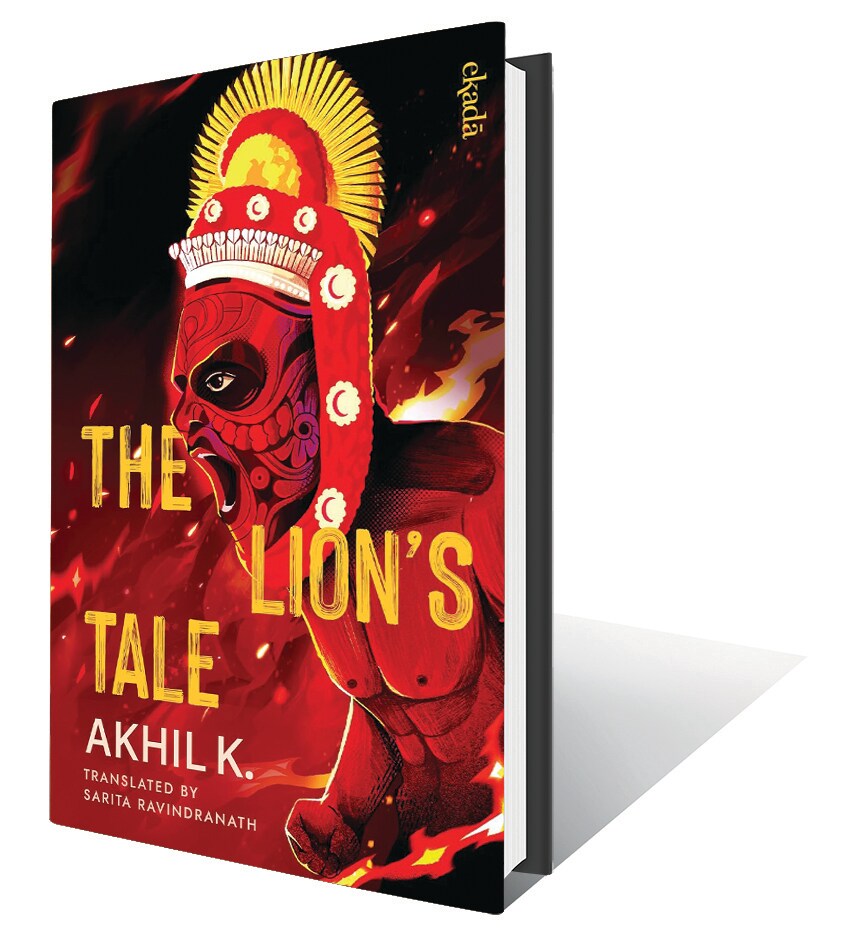
Rajan, the hooch distiller, needs a couple of ghosts to scare off anyone coming up the mountain towards Ettunaad. Who better than the penniless Aadi and Saravanan, sons of Ettunaad’s legendary Theyyam artist Chindachchan? When Rajan’s plan works better than he could have imagined, Aadi comes up with a new, far more sinister one. Over the next few month’s locals begin to mysteriously turn up dead one after the other. Meanwhile, Inspector George Alex and Sub-Inspector Anand make their way to Ettunaad following a double murder in a high-security army facility called Area 11. Is the spate of local murders related to these too?
Macabre and bristling with tension, Akhil K’s debut novel unfolds in the densely forested mountains of Ekarmala. Published to acclaim in Malayalam, The Lion’s Tale is a slow burn that keeps you hooked until the very end.*
The East India Company’s conquest of India
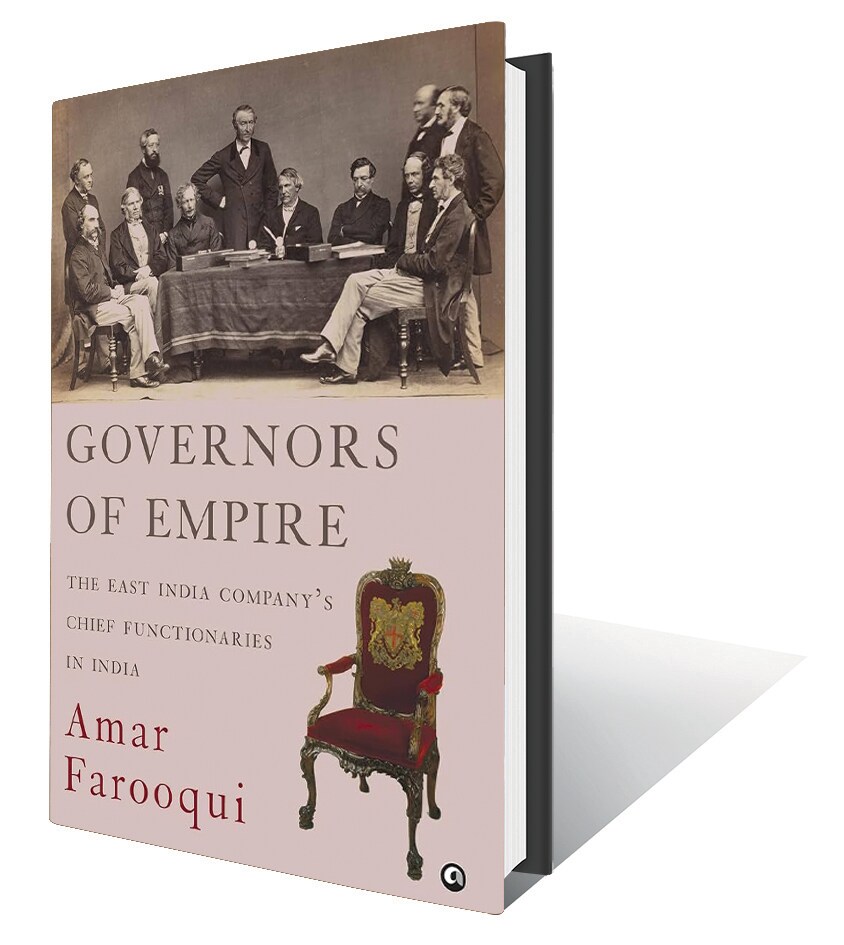
In April 1608, when a ship named Hector — belonging to the English East India Company — arrived on the shores of Surat in present-day Gujarat, no one foresaw how some of the merchants on board would go on to alter the course of history in India. From the moment of its docking to the Revolt of 1857, a succession of its eminent passengers helped transform the Company from a trading collective to a colonizing juggernaut. In Governors of Empire, historian Amar Farooqui traces the journeys each of these men undertook, from arriving on Indian shores, through acquiring territories using equal parts trade agreements and political deceit, all the way to returning to Britain considerably wealthier than before. Beginning with Robert Clive, the self-proclaimed hero of the British imperial project who played a pivotal role in the annexation of Bengal, the book follows several important governors whose actions ultimately delivered India into the hands of the Crown. After Clive came Warren Hastings, who began his tenure as governor of Bengal and settled down to govern both Bengal and Bihar. His ‘rule’ was followed by the regime of Charles Cornwallis, often portrayed as the golden age of British rule in India — a claim supported by colonially-sponsored historiography alone. After him, lesser-known figures like John Shore and Robert Hobart were followed by Richard Wellesley, under whom the system of ‘subsidiary alliances’ became a regular feature of the Company’s expansionist policy in India.
Lord Moira came next, and demolished the peshwai, destroying the rule of the Marathas in western India. William Bentinck’s governor-generalship then marked an interlude before a violent phase of large-scale warfare that completed the Company’s conquest of the subcontinent. Lord Dalhousie, who followed Bentinck, played a key role in the annexation of Punjab and Awadh, expanding the Company’s frontiers to cover swathes of northern India. He was succeeded by Charles Canning, the last governor general to be appointed by the Company, and John Lawrence, the last of the Company’s old timers to rule over the Indian empire (he was crucial to the recapture of Delhi after the Revolt of 1857).
Through rigorously drawn portraits of the Company’s key functionaries, Governors of Empire brings to vivid life the story of the East India Company’s conquest of India through the lives and deeds of its governors.*
*All copy from book flap.


