
 E-Paper



HT Picks; New Reads
On the reading list this week is a poetry collection that features cityscapes and broken husbands, a volume on how disease reshaped colonial policy, and how its politics is present even in contemporary India, and a comprehensive book devoted to the practice of a defining painter of India’s first post-colonial generation

 Prefer HTon Google


Poetry Pick
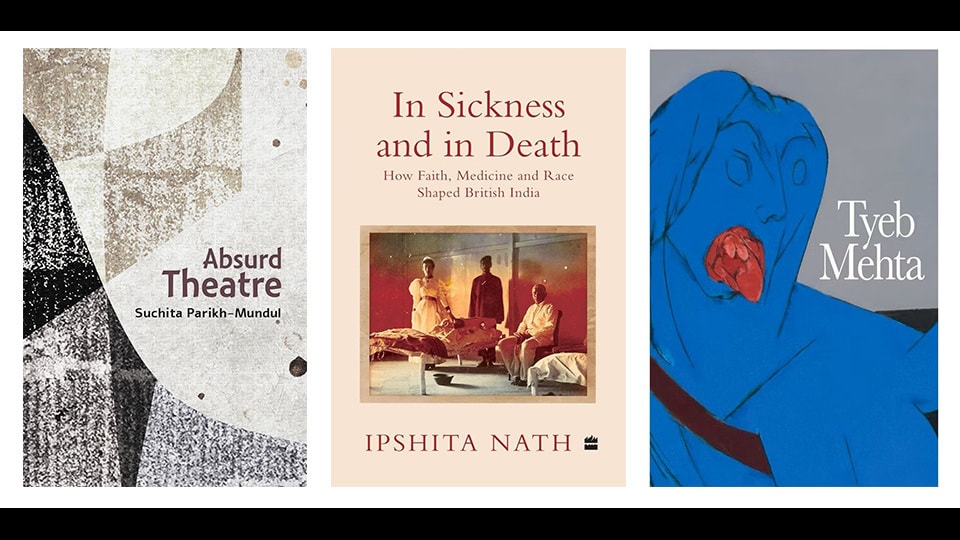
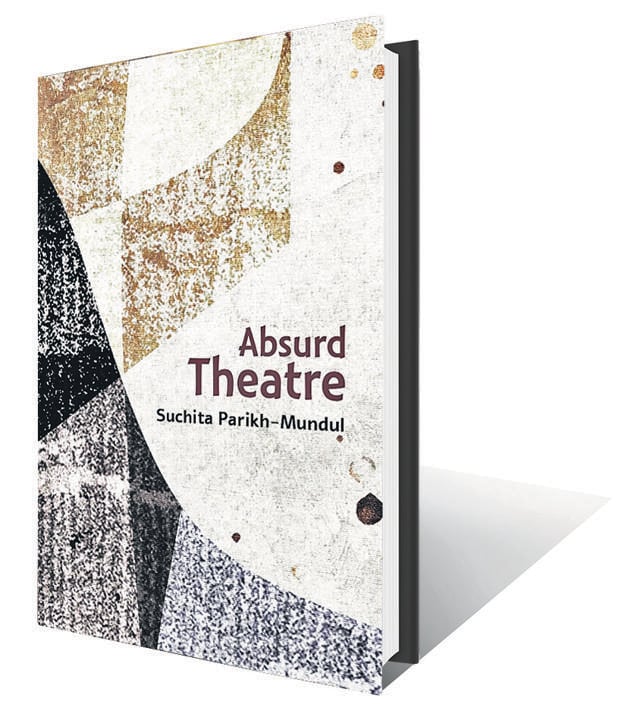
Absurd Theatre is a bold and deeply resonant poetry collection that investigates themes as varied as writing, cityscapes, broken husbands in need of mending, corporate jobs, and the documentary, bureaucratic validation of life and self-hood. Poetry becomes a daily burial of flesh in paper as rows of desks join together to worship corporate goals, and time acquires a different sort of density. With images that are spare and tensile, and a form that is often bold and experimental, Parikh-Mundul crafts her own distinctive poetics. Sharp, sensitive, and feminist, this collection compresses intense emotion into taut language, allowing the personal and the civic to share a single stage.*
The colonial politics of disease
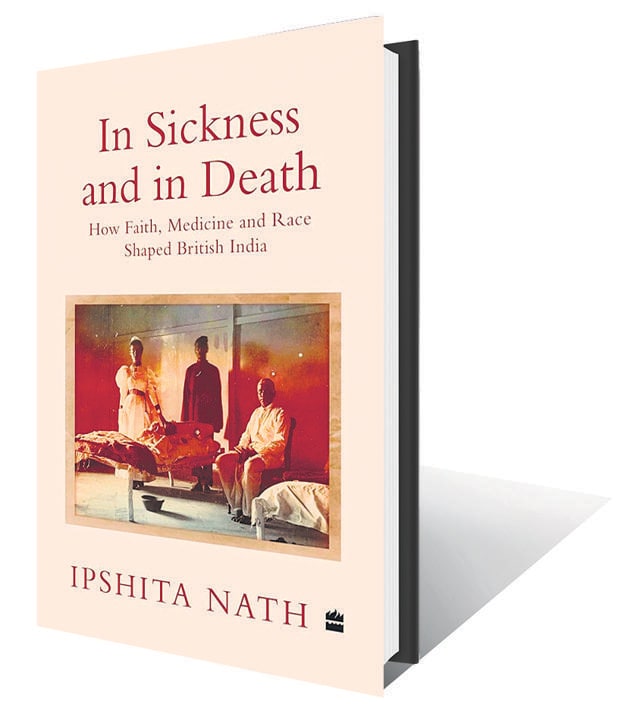
When the British first arrived in India in 1608, they knew that deadly diseases lurked in the tropical subcontinent. But what they did not foresee was how swiftly these pathogenic forces would puncture European medical hubris.
Sahibs and soldiers, armed with muskets, ledgers and scientific arrogance, soon found themselves struggling to stay alive as illness ravaged urban hubs and remote mofussils alike. Simple fevers proved fatal, and survival seemed more a matter of chance than cure.
With recurrent public health crises disrupting imperial business, straining infrastructure and draining resources, disease became a central problem of British governance. Over two centuries, the relentless toll of disease gradually exposed the fragility of colonial control and shattered the illusion of the invincibility of the white race.
Ipshita Nath’s In Sickness and in Death draws on a vast body of medical and academic research to not only examine how disease reshaped colonial policy, contested imperial ambition and altered everyday life in the subcontinent, but also show that the politics of disease-determined by fear, force and power structures-are glaringly present even today, in the post-pandemic era.*
Turning a fractured century into form
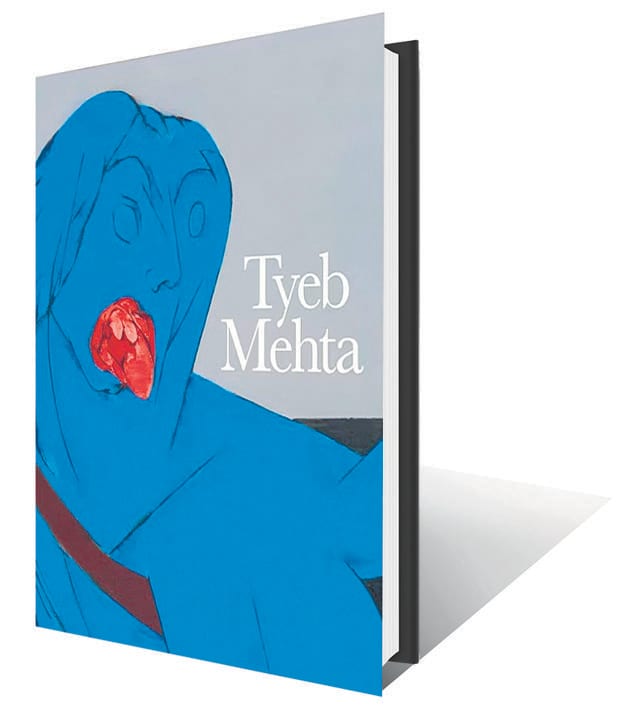
Tyeb Mehta is the first comprehensive book devoted to the artist’s practice since his death in 2009, and the most complete account of his work yet assembled in one volume. One of the defining painters of India’s first post-colonial generation, Mehta spent five decades distilling the upheavals he witnessed – Partition, displacement, and the daily asymmetries of life in a new nation – into a visual language of extraordinary economy, through recurring motifs: the bull, the falling figure, the falling bird, the diagonal, and his reimaginings of Kali and Mahishasura.
Growing out of a landmark retrospective at the Kiran Nadar Museum of Art, this volume traces that language across every medium Mehta worked in – painting, drawing, sculpture, and his rarely seen 1970 film Koodal – with forewords, a curatorial note, and a suite of essays that range from sweeping accounts of his practice to closer readings of particular works and mediums within it. Tyeb Mehta is the definitive record of an artist who turned a fractured century into form.*
*All copy from book flap.


