
 E-Paper



Review: Justice for Animals by Martha Nussbaum
The philosopher and humanist stresses that it is criminal to see animals as dumb beasts, addresses issues such as the declawing of cats and the euthanising of companion animals,and pushes for them to be treated as equal citizens

 Prefer HTon Google


When our home was on fire last summer, over two dozen of our cats and four dogs were trapped inside. In that thick billow of smoke, we could barely breathe or see. Our cats, unrecognisable in the cloud of soot, were gasping for breath, and shaken. We started moving them from the section of the house that had by then become a black hole to another corner that seemed safe at that time.
In our heads, we were silently counting them – sending up a little prayer each time we found one hiding under a table or a chair and worrying about the ones still missing. The dogs, who were trapped in the room from where the fire started, had already been moved to safety – outside of our 14th floor apartment. It was a miracle that they were still alive, and unhurt.
Foremost on our minds then was: What if we had to evacuate the apartment? There was a blind cat, a paralysed cat, a cat with poor motor coordination, and several senior cats. How many would we be able to carry out of the house? Missy, one of our most hyper cats, who liked being with the dogs, was already untraceable. Spiderman had jumped off the balcony and parked himself on the ledge of the 13th floor. Superman, our oversized 14kg cat, was trying to follow suit. Outside, Olive, our paralysed dog, had vanished.
Once the fire was put out, the search for Missy and Olive began. There was no sign of Missy who liked to hide in the cat tunnel which ran across the four walls of the room the dogs were in. We were already beginning to imagine the worst, looking at the way every single item in that room had been charred. The bird net that cat-proofed the balcony had been slashed by the firefighting team, and the thought of Missy falling off from there made us shudder.
Olive, someone told us, was spotted on the main road outside our housing society. No way, we thought. How could a dog, whose hind limbs are lifeless, go down 14 floors, exit the main gate, and then cross over to the other side of the road?
To our surprise, she had. When the elevator gates opened on our floor, she went in and promptly got off on the ground floor. Then she dragged herself around 500m to reach the main road and sat there.
Even in that moment, I remember, I couldn’t suppress a smile. Olive, the little girl whose spine had been smashed by someone when she was just a few weeks old, was always full of spunk. Veterinarians had suggested we put her to sleep, but Olive was full of life. She hung around with our cats when she was a puppy, and now she is the undisputed queen of the roads. On her walks, she races other dogs in her dog-cart, and once scared our youngest dog, Dragon’s, dog walker away.
Later that evening when we returned home after combing all floors of our building and surrounding areas, we heard a sound from the kitchen. A cat appeared to be trapped inside. As soon as we opened the cabinet, Missy jumped out. She had used her claws to open the kitchen door, and then the kitchen cabinet. It was the happiest feeling in the world to know that each one of them was alive and safe.
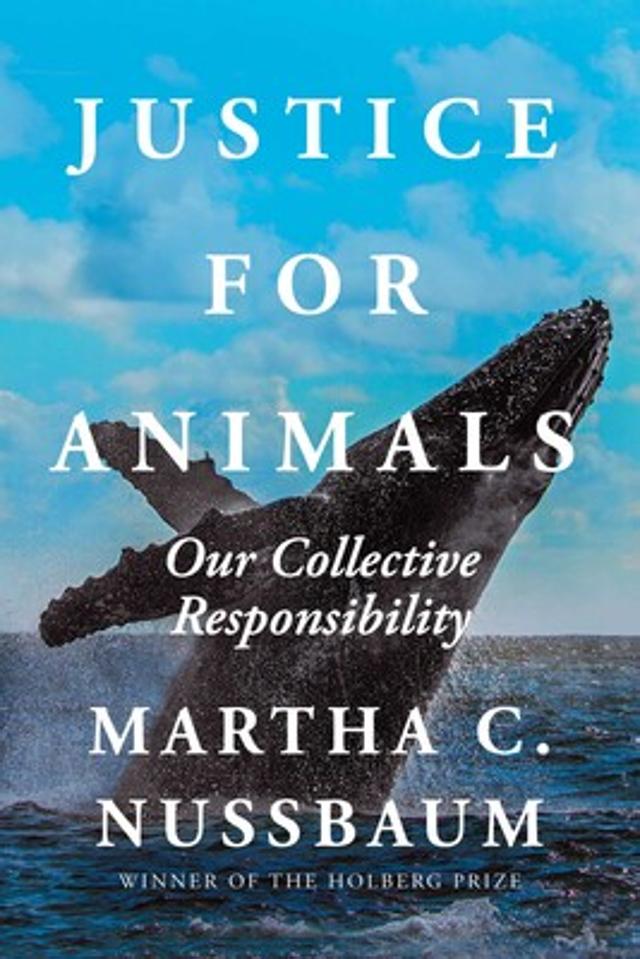
In her book Justice for Animals: A Collective Responsibility, philosopher and humanist Martha C Nussbaum raises uncomfortable moral and ethical questions about our treatment of animals.
For instance, she is against the declawing of indoor and outdoor cats. “Declawing an outdoor cat is real cruelty. But even for an indoor cat, declawing makes the cat’s paws virtually useless for traction, for climbing, for scratching…,” she writes.
We have never entertained the thought of declawing our cats. We don’t even trim claws, as this will make it impossible for a cat to defend itself in a multi-cat household. Most people hate it when cats claw their sofas and furniture, but it is up to humans to be creative and provide them alternatives such as cat trees or scratch posts. Missy is safe today as she hadn’t been declawed.
Olive turned out to be smarter than our other dogs – dragging herself to safety. However, if we had listened to the veterinarian’s advice, she would have been put to sleep five years ago.
Nussbaum ponders over the issue of euthanising companion animals too. She says euthanising is ethical only when the animal is in intolerable pain and feels that his dignity has been compromised. In which case, he will send out signals.
We have seen plenty of miracles to not believe in euthanising animals, and Olive did not send out any such signal – even though we were, time and again, warned about the challenges of adopting a paralysed dog. Apart from having no control over their bladder, most paralysed dogs get bruised easily, which often results in their death. Olive did get badly bruised on her solo adventure, but then this was a one-off incident.
Cocoa, our cat with poor motor coordination skills, turns 13 soon. We had been advised to put him down too. With a bit of help, he learnt to drag himself, then wobble, and when he was happy, he tried to run. Cocoa is an old boy now and finds it difficult to move around much. However, he still loves his food, wants it served first, and loves to take on the enemy cats as and when.
Nussbaum compares the termination of a companion animal’s life because people do not want to pay for his expensive treatment to terminating the life of a disabled child or an elderly relative. Would you do that to a child or a relative, she asks?
Drawing attention to the plight of almost every species of animal, be it whales, elephants, pigs, crows, or our beloved cats and dogs, she envisions a global legislative framework that protects animal rights and treats them as fellow citizens.
Her probing questions – especially those pertaining to companion animals – are likely to put the staunchest of animal lovers to shame. She observes that the harm currently inflicted on animals is on a much greater scale than ever, and that almost every human is culpable – for abusing animals directly by encroaching on their land or indirectly by making this planet, which is their home too, unliveable.
She stresses that it is criminal to see animals as “dumb beasts”, especially now that we have enough proof that they “are capable of feeling pain and have rich emotional lives and complex forms of social organisation”.
Nussbaum argues that the gradual devolution in the human-animal relationship is reflected in the adoption of animals as “pets” and treating them as property or appendages – “useful sometimes for protection, sometimes for emotional support, sometimes as cute toys to play with, sometimes as valuable trophies showing the human’s status”.
While many treat them as companions and fight for their rights to be allowed into elevators and public parks, Nussbaum isn’t impressed with these efforts. She points out, and perhaps rightly so, that these are the same people who buy dogs from puppy mills where they are born and raised in gruesome conditions. When they choose the animal to take home, it is mostly based on the animal’s look, and the specific needs of his breed are largely ignored.
To drag the world’s legal systems out of their “primitive condition”, she offers a compassionate theory called the “Capabilities Approach”, which gives every single animal the right to flourish as per its characteristic nature.
She goes a step further to suggest that as companion animals are vulnerable and dependent on humans, having been bred by them for millennia, they should be treated like special-needs children, and adults should stand up for their rights, and consider them as equal citizens.

Though this sounds implausible, Nussbaum draws an interesting parallel: Women too were once treated by law as objects or property, controlled and used by men, but today they have rights and freedoms.
Nussbaum is an inhabitant of arguably the most developed country of the world, and it is certain that the treatment of animals as equal citizens will not happen even in the US in Olive and Missy’s lifetimes. India, which is yet to see women as equal citizens in practice, will have to wait out another two or three centuries to witness such justice for animals.
That said, this book is an urgent need for all, especially animal lovers, in whose hands rests the future of all animals.
Lamat R Hasan is an independent journalist. She lives in New Delhi
The views expressed are personal


